Cardio & Conditioning for Upper Body
Published 26 Nov 2026
Meets Patient’s editorial guidelines
Watch this video
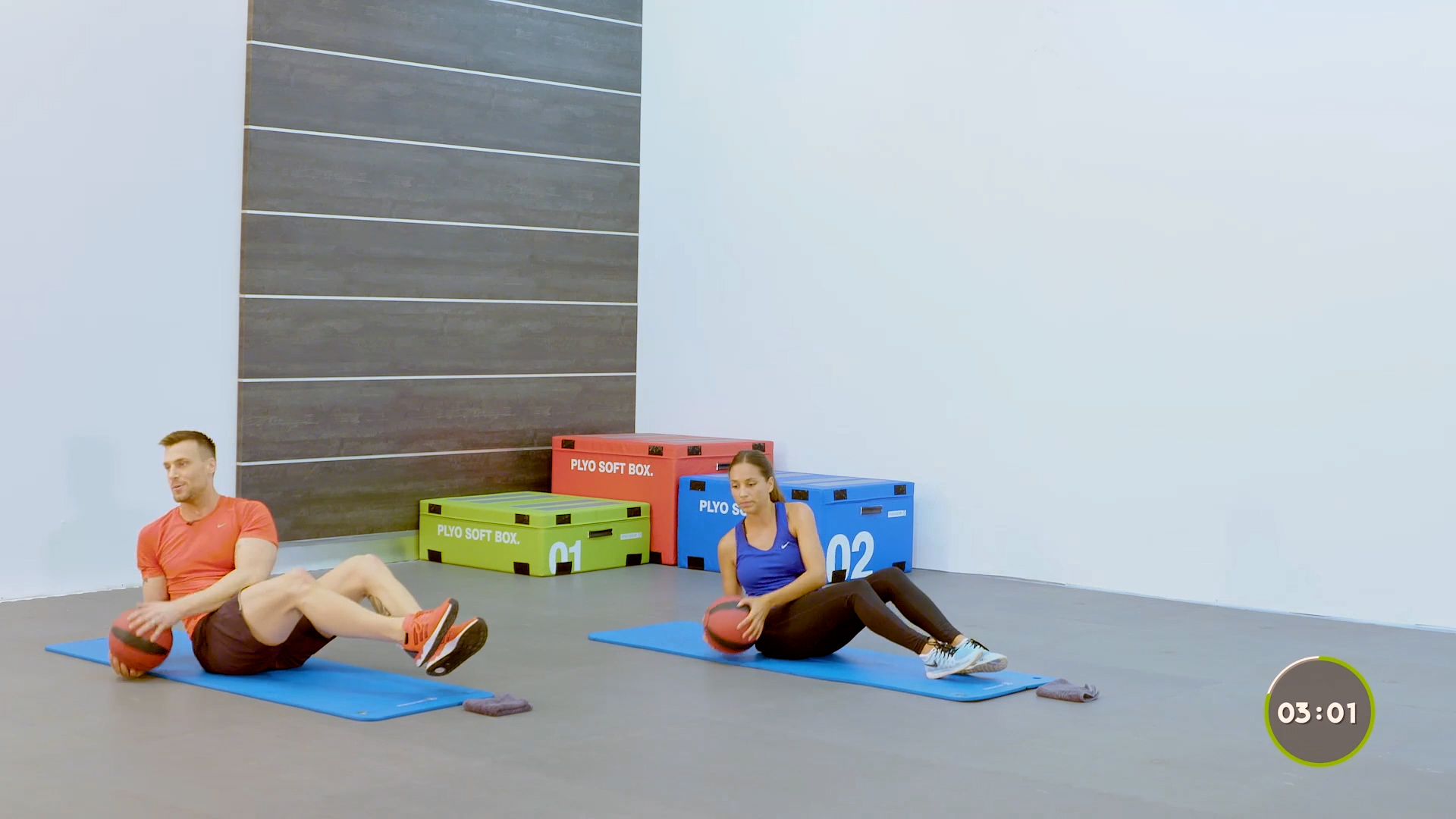
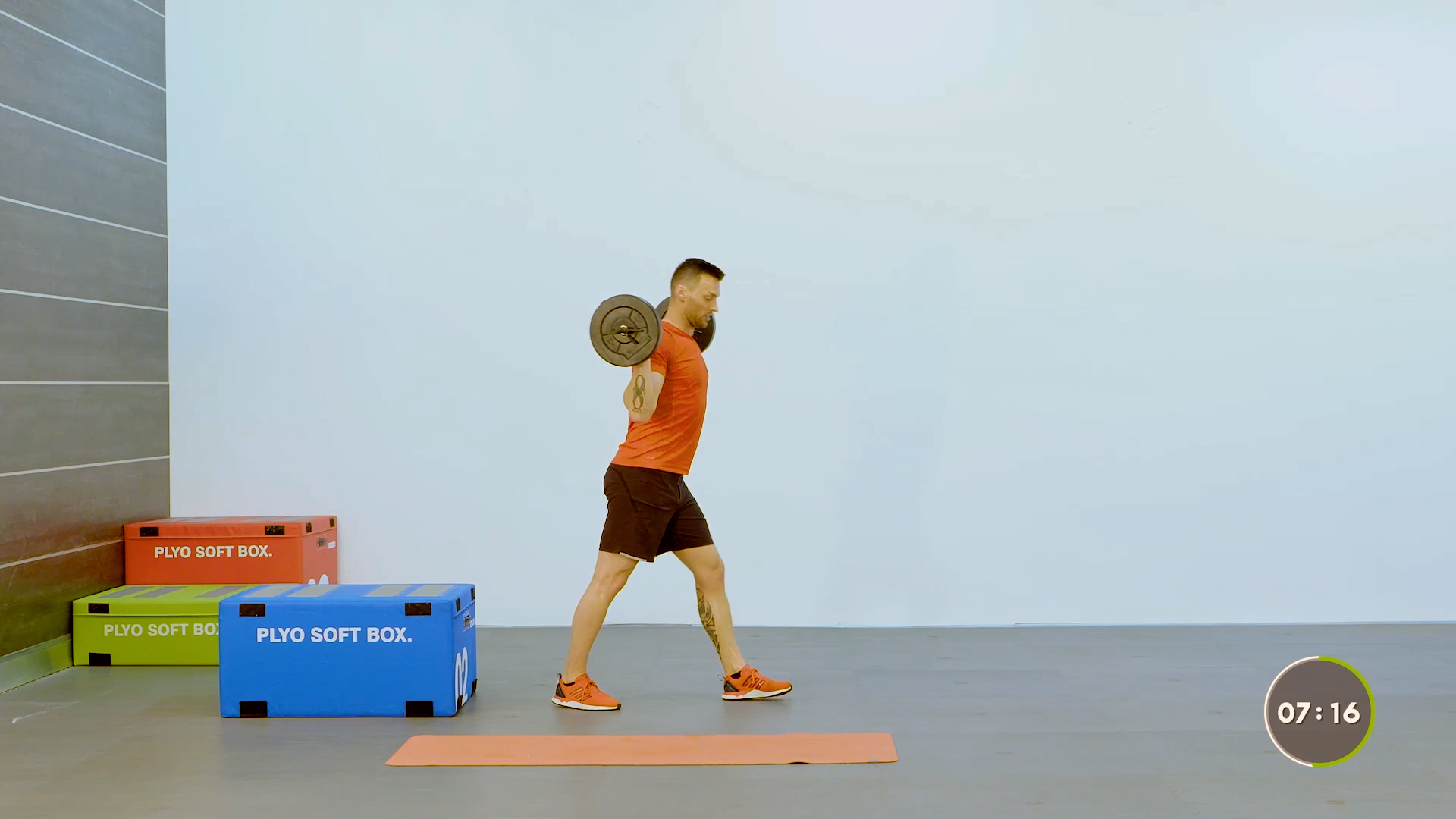
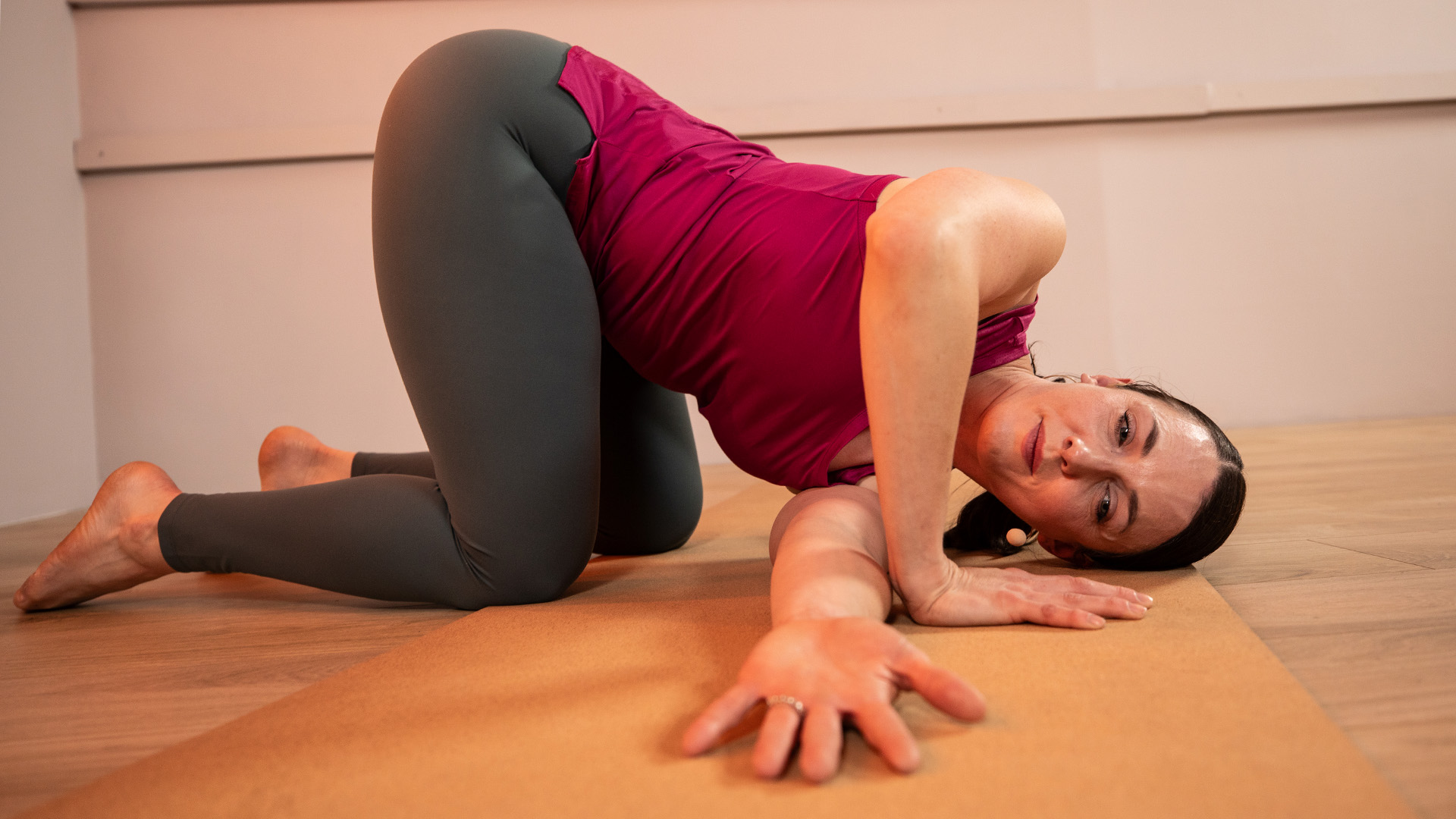
Mandy's Cardio and Conditioning for Upper Body workout is a high-intensity session designed to target and tone your upper body.


Video details
Healthy living
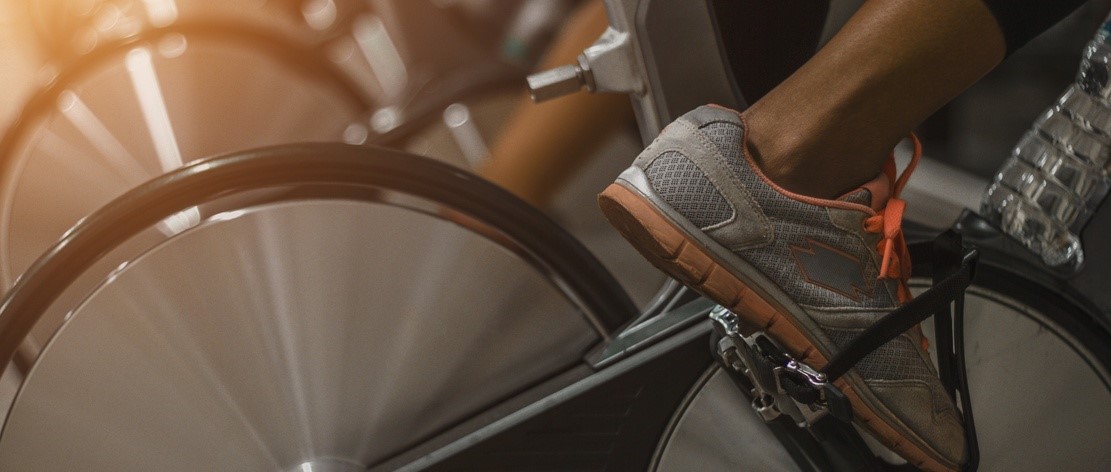
What does spinning do to your body?
Spinning is currently one of the most popular fitness workouts in the UK. The muscles you use on a spinning bike are some of the largest in your body, making for high-intensity exercise that's also low impact.
by Amberley Davis
Mental health
Mind and body control - how to channel your ‘internal telekinesis’
The dark nights have arrived, and right on cue, Mike Flanagan has turned his attention to one of Stephen King’s most iconic tales of teenage torment and supernatural terror... Carrie. The story of a schoolgirl with telekinetic powers - the fictional ability to move objects using the mind alone - has gripped our morbid imaginations for decades. Little wonder, then, that this horror classic is getting a new lease of life in a television adaptation. But while we ourselves may not be able to bend spoons or move furniture, we do possess our own real-world form of ‘internal-telekinesis’. Through mental focus and controlled breathing, we can influence our heart rate and help calm an overworked nervous system.
by Hannah Boynton-Forshaw
Heart health and blood vessels
Cardiovascular disease
Cardiovascular diseases (CVD) is a general term to describe diseases of the heart or blood vessels. The cause of most cardiovascular disease is a build-up of atheroma - a fatty deposit within the inside lining of arteries. The blood flow to the heart muscle may also be restricted by a blood clot in an artery taking blood to the heart muscle (coronary artery disease). Atheroma or a blood clot may also restrict or prevent blood going to the brain (cerebrovascular disease) or to the legs and feet (peripheral arterial disease). There are lifestyle factors that can be taken to reduce the risk of forming atheroma. These include not smoking; choosing healthy foods; a low salt intake; regular physical activity; keeping your weight and waist size down; drinking alcohol in moderation. Your blood pressure and cholesterol level are also important. All people aged over 40 years should have a cardiovascular health risk assessment - usually available at your GP surgery. If you have a high risk of developing a cardiovascular disease, treatment to reduce high blood pressure (hypertension) and/or cholesterol may be advised.
by Dr Colin Tidy, MRCGP

Heart health and blood vessels
Cardiovascular health risk assessment
A cardiovascular health risk assessment provides an accurate estimate of your risk of developing cardiovascular disease (eg, angina, heart attack, stroke or peripheral arterial disease) over the following 10 years, and provides an opportunity for you to make any changes that will reduce this risk. If you already have a cardiovascular disease or diabetes then your risk does not need to be assessed because you are already in the high-risk group.
by Dr Colin Tidy, MRCGP

General health and lifestyle
Book a Pharmacy First online consultation
NHS Pharmacy First is a new scheme from the Government and NHS in England. It allows patients to get treatment, including prescription medications where necessary, for common conditions without t... Through NHS Pharmacy First, My Local Surgery offers fast, free private online consultations with an NHS pharmacist for quick diagnosis and.
by Thomas Andrew Porteus, MBCS
Diet and nutrition
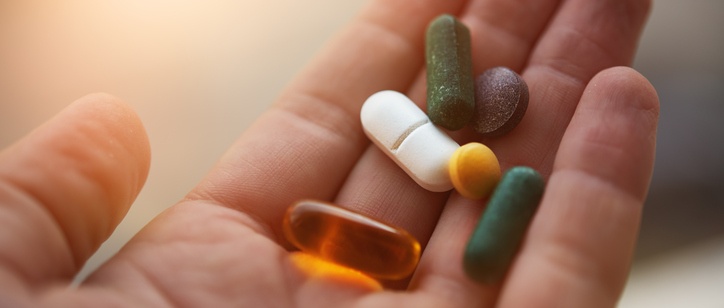
Does your body need vitamin supplements?
We all need vitamins and minerals for a healthy body. Some of them we can store, but some of them need to be eaten daily. So can you get all the vitamins and minerals you need from a balanced diet, or should you be topping up?
by Dr Sarah Jarvis
Share your thoughts or experiences with others in our patient communities.