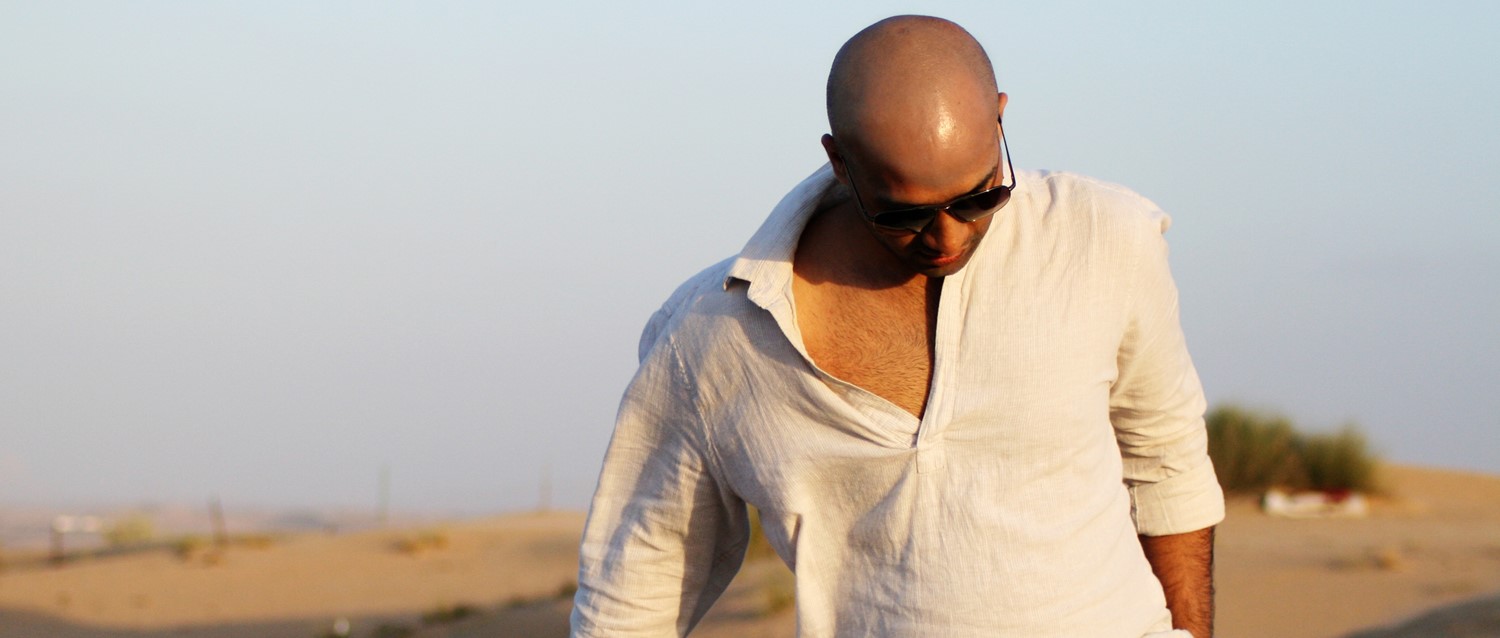
Here's how to protect a bald head from the sun
Peer reviewed by Dr Krishna Vakharia, MRCGPLast updated by Amberley DavisLast updated 23 Jun 2022
Meets Patient’s editorial guidelines
- DownloadDownload
- Share
- Language
- Discussion
- Audio Version
From accelerated skin ageing to life-threatening skin cancer, everyone should know the risks of too much sun exposure. If you are bald or have thin hair, it's particularly important that you know how to protect your scalp from the sun, because this skin is so vulnerable.
In this article:
Video picks for Sun and sunburn
Continue reading below
Bald head sun protection
Dr Paul Banwell runs The Banwell Clinic1 and is the previous head and founder of The Melanoma and Skin Cancer Unit (MASCU) in East Grinstead: "Without hair, your skin is directly exposed to the sun's harmful rays. The thin skin on the scalp can burn quickly and is one of the most common places I see for skin cancer. The most common types of skin cancer on the scalp are basal cell carcinoma (BCC) and squamous cell carcinoma (SCC)."
In fact, research finds that the sun’s harmful UV rays (ultraviolet light that naturally radiates from the sun) are the most important environmental risk factor for all skin cancers, as well as for premature skin ageing2.
This is because UV rays can alter the DNA in your skin cells. Over time, this damage can cause these cells to start growing out of control, leading to the development of skin cancer.
With this in mind, Dr Banwell and dermatology GP Dr Pippa Bowes share their top tips for bald head sun protection, equipping you with the all-important safe summer know-how.
Cover up and shelter
Back to contentsUnsurprisingly, the best way to protect a bald head is to keep it out of the sun. Dr Bowes advises wearing a hat to protect your head while in the sun and wearing protective clothing and glasses to shield the rest of your body. She also recommends seeking shade when you can, especially mid-day when the sun's UV rays are strongest.
Planning ahead is always a good idea. Dr Bowes suggests keeping an eye on the weather forecast and checking for heatwave weather warnings over spring and summer.
Continue reading below
Why is sunscreen important?
Back to contentsOf course, it's not always possible or practical to avoid the sun completely. For example, you're unlikely to wear a hat while swimming (although you can buy sunhats for this purpose). This is where sunscreen comes in.
"Wearing sunscreen is vital in the prevention of skin cancer," says Dr Banwell. This is backed by many high-quality studies3.
Look for sunscreen quality: UV damage protection and SPF 30 plus
Back to contentsNot all sunscreens are created equal. Dr Bowes describes the key things you need to look out for in your sunscreen:
UVB: look for a sun protection factor (SPF) of at least 30 to protect against UVB (ultraviolet B radiation) which has high energy levels that can damage the outermost skin layers, causing sunburn. SPFs are rated on a scale from 2 to 50+, with 50+ offering the highest UVB protection. The higher the SPF, the better the protection.
UVA: also look for at least a 4-star UVA (ultraviolet A radiation) protection rating, which is indicated by the letters 'UVA' in a circle. UVA has a longer wavelength than UVB and is associated with skin ageing. The star rating measures the amount of protection, and you should see a star rating of up to 5 stars on most UK sunscreens. Again, the higher the star rating, the better the protection.
Broad spectrum: sunscreens that offer both UVA and UVB protection are called broad spectrum. Aim for these, with a higher SPF and star rating.
Expiry date: make sure the sunscreen is not past its expiry date. Most sunscreens have a shelf life of 2 to 3 years.
When it comes to sunscreen for bald heads, Dr Banwell recommends using a product that specifically targets the face. "This will be less heavy and look less shiny on your scalp, which is what you want. Please don't forget your ears, forehead, and neck too.
"Ideally, use organic sunscreen, although I do appreciate it is more expensive and I would rather people were wearing any sunscreen than none at all."
Continue reading below
Learn how to apply sunscreen correctly
Back to contentsSunscreen can come in the form of sunscreen spray, gel, lotion, and cream. "This simply explains the consistency (or thickness) of the sunscreen," adds Dr Bowes.
If you have some head hair, you may find a scalp spray is the easiest option to use on the areas where your scalp is most visible. No matter the form you choose, Dr Bowes shares the essential sunscreen application must-dos:
Amount: you should apply around two teaspoons of sunscreen to your head, arms, and neck. You should apply around two tablespoons if you're covering your entire body, while wearing a swimming costume. If applied too thinly, the amount of protection sunscreen gives is reduced. Therefore, apply sunscreen liberally and frequently to all exposed skin.
Frequency: if you plan to be out in the sun long enough to risk burning, sunscreen needs to be applied twice - 30 minutes before going out as a baseline, and just before going out to extend the time of protection it gives. Reapply sunscreen every two hours, as the sun can also dry it off your skin. You should also reapply straight after you have been in any water (even if the sunscreen is water resistant) and after towel drying, sweating, or if anything may have rubbed the sunscreen off.
"You shouldn't just be using sunscreen on sunny days. It's important to continue to protect your scalp from UV damage throughout winter too."
Head sun protection sunscreen products can be purchased through our links:
Dr Bowes' top sunscreen brands
Dr Banwell's top sunscreen
Best for people who have some hair
Sunscreen head sprays such as Sun Bum Scalp and hair mist SPF 30 can be used like a dry shampoo on your hair to protect both your scalp and hair.
Avoid sun beds
Back to contentsAccording to Dr Bowes, you should avoid sun beds at all costs. Like the sun, sun beds give off skin cell-damaging UV rays. This UV radiation is high intensity, which is what gives you a rapid tan. Every time you use a sun bed, more damage is done, and your risk of visible skin ageing and skin cancer increases4.
Try fake tan
Back to contentsIf you crave tanned looking skin, Dr Bowes recommends opting for fake tan out of the bottle. This is by far the healthiest way to tan your skin as it doesn't involve any permanent skin cell damage.
Know the signs of sun exposure damage
Back to contentsFinally, you need to be able to recognise the warning signs of dangerous sun damage. If you develop skin cancer, detecting it early can significantly affect your chance of recovery.
According to the Skin Cancer Foundation, 99% of people with melanoma skin cancer survive at least five years from their diagnosis. This survival rate drops to 68% if the cancer reaches the lymph nodes (small clusters of immune system cells) and to just 30% if it reaches distant organs5.
You should keep an eye out for changes in the appearance of your moles all over your body. "Check your moles regularly and consult your doctor if you're concerned," advises Dr Bowes.
On bald heads, Dr Banwell says you should visit a doctor if you notice a newly developed sore that isn't healing or keeps crusting over.
Further reading
Back to contentsPatient picks for Sun and sunburn
Skin, nail and hair health
How to treat sunburn at home
Most of us are careful to follow sun-safe guidelines. But if you forget to put on or reapply sun cream or stay a little too long in direct sunlight - knowing how to treat sunburn at home is important.
by Lawrence Higgins
Skin, nail and hair health
Are skincare products putting you at risk of sunburn?
We all know the importance of SPF to protect our skin from the sun's harmful rays, but did you know that your day-to-day skincare products could increase your risk of sunburn?
by Andrea Downey
Continue reading below
Article history
The information on this page is peer reviewed by qualified clinicians.
23 Jun 2022 | Latest version
23 Jun 2022 | Originally published

Ask, share, connect.
Browse discussions, ask questions, and share experiences across hundreds of health topics.

Feeling unwell?
Assess your symptoms online for free
Sign up to the Patient newsletter
Your weekly dose of clear, trustworthy health advice - written to help you feel informed, confident and in control.
By subscribing you accept our Privacy Policy. You can unsubscribe at any time. We never sell your data.