Home STI tests: how they work and what to expect
Peer reviewed by Dr Krishna Vakharia, MRCGPLast updated by Amberley DavisLast updated 15 Jun 2023
Meets Patient’s editorial guidelines
- DownloadDownload
- Share
- Language
- Discussion
- Audio Version
- Add to preferred sources on Google
Sexually transmitted infections (STI) diagnoses reached record levels in 2022 in the UK. So it's never been more important to get tested - and home STI tests are a simple, quick, and accurate way look after your health. Here's what you need to know about home STI tests, their reliability, and how easy they are to use.
How often should I get STI tested?
Sexual contact between two people can sometimes result in the spread of infections. These are known as sexually transmitted infections, or STIs, and getting an early diagnosis can be the difference between full recovery and serious, long-term health issues.
There are many types of STIs, including chlamydia, gonorrhoea, HIV (human immunodeficiency virus), and syphilis. These are usually spread through vaginal, anal and oral sex.
Record levels of gonorrhoea and syphilis
Data published in June 2023 revealed that UK diagnoses of gonorrhoea and syphilis in 2022 reached the highest numbers in decades1.
82,592 gonorrhoea diagnoses - an increase of 50.3% from 2021 and the highest annual number since records began in 1918.
8,692 infectious syphilis diagnoses - an increase of 15.2% from 2021 and the highest annual number since 1948.
Young people aged 15 to 24 years were the most likely to get diagnosed with an STI. In light of these findings, the UK Health Security Agency (UKHSA) is urging everyone having sex with new or casual partners to get tested regularly and use a condom - even if you don't have symptoms.
Here are some key times to get yourself tested:
If you have a symptom that you think is due to an STI - but remember many STIs can be symptomless.
After a high-risk encounter - such as unprotected sex with a new sexual partner, or with someone you don't know is STI-free. Remember, condoms protect against STIs as well as pregnancy.
Ideally, it's best to get tested before you have sex with someone for the first time.
If you regularly have sex with different people, then healthcare experts recommend getting tested once every one to three months.
Can you get an STI test at home?
You can be tested for STIs at your local sexual health clinic - a GUM (genitourinary medicine) clinic specialises in this. However, you may feel more comfortable ordering a home STI test.
Benefits of home testing include:
The comfort and convenience of testing in your own home.
Privacy and by-passing difficult conversations - some people may prefer not to discuss this directly with a professional.
Are STI home tests accurate?
The National Institute for Health and Care Research (NIHR) has analysed a range of studies and concluded that taking a home STI test or having one carried out by a clinician should make no difference to the accuracy of your results2.
No STI test is 100% reliable, whether completed by yourself or a healthcare professional. Most tests are considered clinically reliable if they have a 90% accuracy rating2.
Here are some tips for improving the reliability of your home STI test:
Test after your incubation period - this refers to the time period that you can have an STI before your body produces virus-fighting antibodies, and it's these that indicate a positive test result. The incubation period depends on the type of STI you have.
Speak to a sexual health expert if you're unsure which STIs to test for based on your symptoms and/or your sexual history, and for the relevant incubation period.
Follow your home STI test kit instructions carefully.
Where can I get a home STI test?
STI testing kits are now widely available to order from online sexual health services - in the UK high street pharmacies like Superdrug and Boots offer a wide range of test kits. These include tests for specific STIs, such as HIV tests, or package kits that test for the most common STIs in one go.
Sponsored
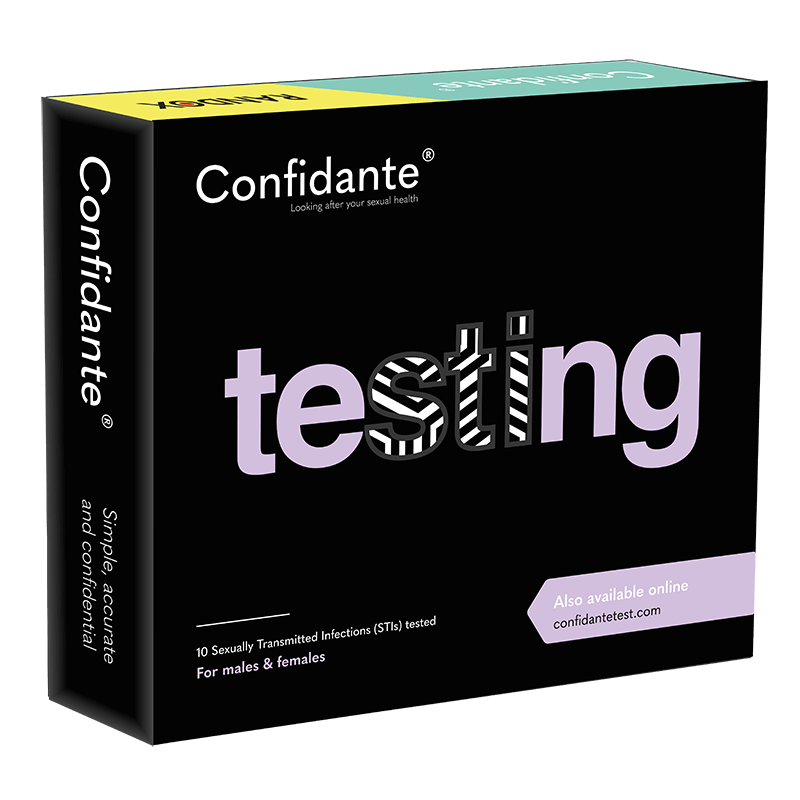
Confidante Home STI Test
Confidante is quick, easy, and discreet to use from purchase to results. Test for 10 common STIs including infections that do not show any symptoms, to provide a comprehensive profile of your sexual health.
You may be able to obtain a free NHS home STI test kit - criteria and availability will depend on your local NHS district. Likewise, sexual health charities such as Brook provide some free kits. Again, you'll need to check which ones are available in your local area.
How to do an STI test at home
Although the exact steps can vary slightly between the type of STI you're testing for and the testing service you use, a home STI test is typically convenient, easy, and quick.
Usual steps
Order your home STI test kit online.
Receive your kit in the post or choose to pick up from a local collection point.
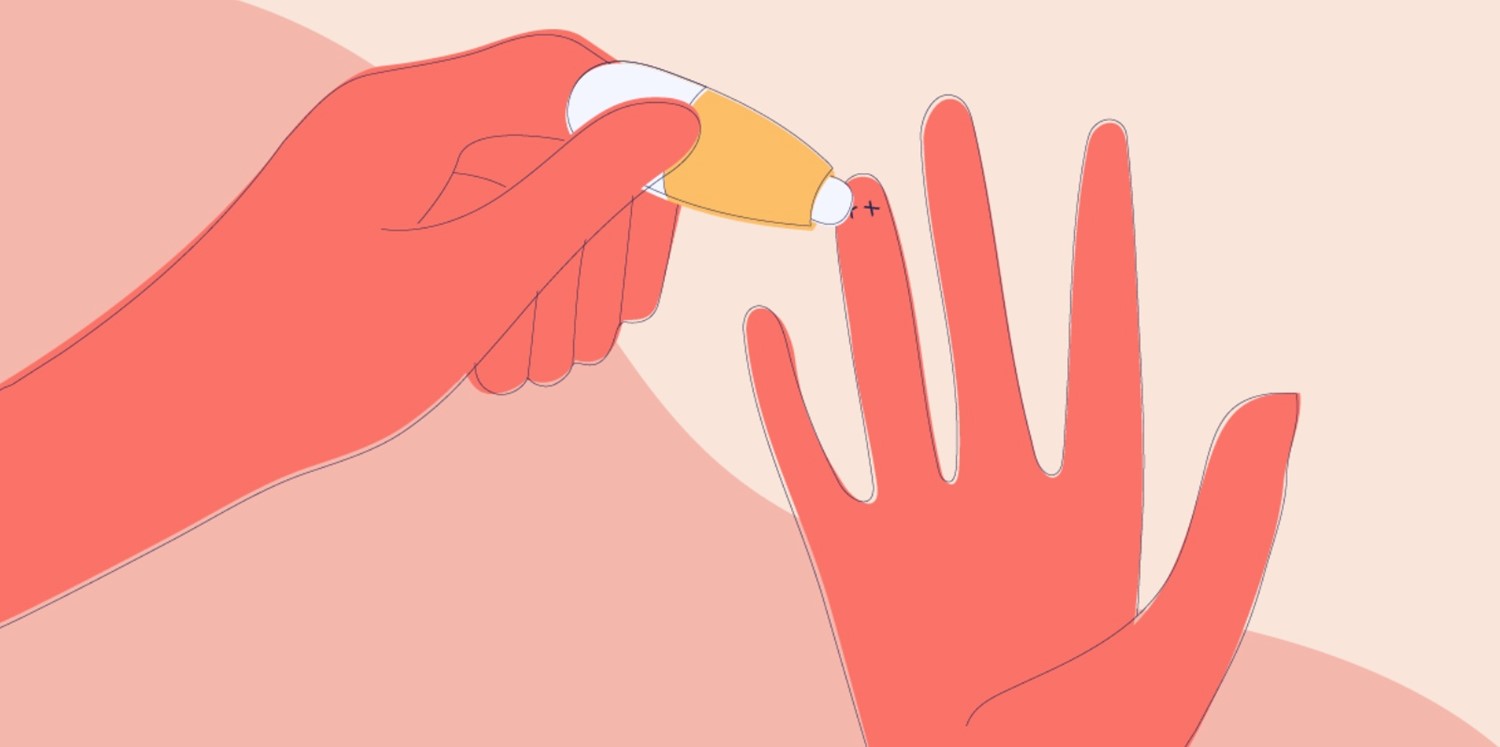
Take your samples - finger prick, swab, urine sample, or combination (see Types of STI samples following).
Post your samples to the laboratory for analysis - a freepost envelope for Royal Mail or private courier should be provided.
Get your test results - depending on the company, this could be by text, email, or another preferred method.
If your test results indicate you have an STI, book in for treatment - some sexual health services automatically send your results to your GP.
Types of STI samples
The kind of sample you need to collect will depend on what you're being tested for:
Finger prick blood sample home STI test - checks for HIV and syphilis.
Urine sample home STI test - checks for chlamydia and gonorrhoea.
Swab home STI test - either involves rubbing a cotton bud in the vaginal region (females only), rectal region (males only), or throat. This also tests for chlamydia and gonorrhoea.
If you're testing for multiple STIs in one test kit, you'll be instructed to carry out a combination of the above. All sample types are relatively straight-forward and quick to complete - your test provider will send clear step-by-step instructions.
How long before an STI shows up on a test?
Some STIs can take anywhere between a few weeks or months to show a positive test result. Speak to a healthcare professional if you're unsure when to test to avoid the incubation period.
Once you've decided when to take your home STI test, it usually only takes 2-5 working days to arrive, and a matter of minutes or even seconds to complete. The time it takes for you to receive your test results depends on the company you choose. Some are relayed as early as one working day after the lab receives, but anywhere between 5-10 working days3is normal.
Further reading
Patient picks for Sexually transmitted infections
Sexual health
Calls for improved access to sexual health services as STI rates soar
A new report from Public Health England (PHE) shows an increase in sexually transmitted infections (STIs) in England last year compared to 2017.
by Milly Evans

Sexual health
How quickly do different STIs spread?
In Victorian times, sex was only acceptable within the confines of a marriage. Today, thankfully, things are different and people may be involved with several partners. But unfortunately, sexual freedom comes with a price tag in the form of exposure to sexually transmitted infections (STIs). There are many myths surrounding STIs and it's important to know the facts - particularly when it comes to symptoms and how quickly they show up after exposure.
by Dr Laurence Knott
About the authorView full bio

Amberley Davis
Senior writer
BA (Hons), CPD
Amberley is a senior writer with Patient and has written extensively on a range of health and wellbeing topics.
About the reviewerView full bio

Dr Krishna Vakharia, MRCGP
Chief Medical Officer for Health, Optum UK
MBChB, MRCGP(2013), BMedSci (hons), DFSRH, DRCOG, PGDipDerm (Distn)
Dr Krishna Vakharia is an NHS GP. She is also a regular examiner for the postgraduate Diploma in Practical Dermatology at Cardiff University as well as being the Chief Medical Officer for health at Optum UK.
Article history
Article also available in English, German, Spanish, French, Italian, Portuguese, Hindi, Hebrew, Arabic, and Swedish.
15 Jun 2023 | Latest version
25 Oct 2022 | Originally published
Authored by:
Amberley Davis
Join the conversation
Share your thoughts or experiences with others in our patient communities.

Ask, share, connect.
Browse discussions, ask questions, and share experiences across hundreds of health topics.

Feeling unwell?
Assess your symptoms online for free
Sign up to the Patient newsletter
Your weekly dose of clear, trustworthy health advice - written to help you feel informed, confident and in control.
By subscribing you accept our Privacy Policy. You can unsubscribe at any time. We never sell your data.
More in sexual health
- Can men get thrush?
- Can you live a long, healthy life with HIV?
- Contraception videos
- Does testicular cancer affect your fertility?
- How long to wait before your second baby
- How to treat vaginismus
- Is it easy to have an HIV test?
- Is it safe to skip your period on the pill?
- Preparing for your smear test as a survivor of sexual violence
- Secret shoppers: Are women given the best contraception advice?
- Should you change your contraception to the coil or implant?
- STI videos
- Teenage sex education: the best digital resources for your child
- The female reproductive system
- The most likely causes of pain during sex
- What erectile dysfunction could mean for your heart
- What happens when you visit a sexual health clinic?
- What to expect when you take the morning after pill
- What you need to know about sexual consent
- Will we ever have a male contraceptive pill?