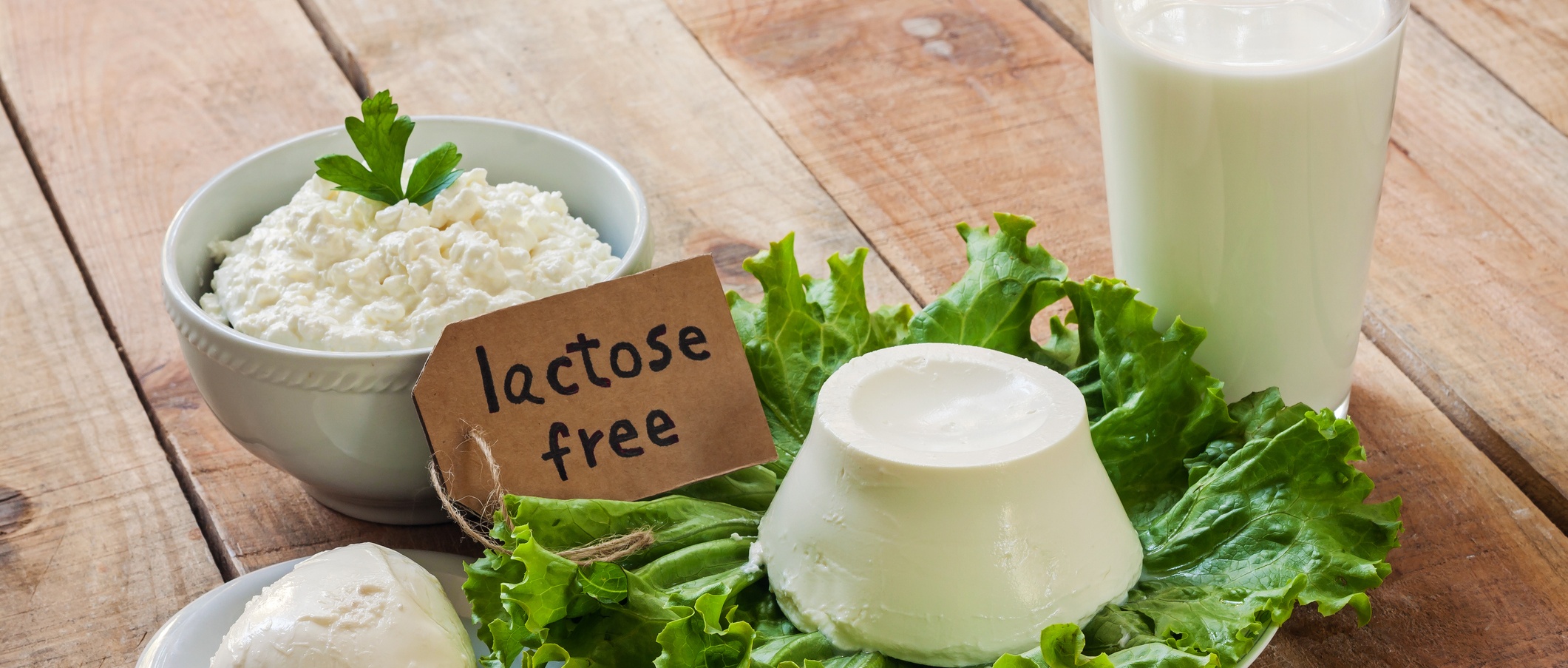
Que pouvez-vous manger si vous êtes intolérant au lactose ?
Revu par Dr Helen Huins, MRCGPRédigé par Dr Jan Sambrook, MRCGPPublié à l'origine 8 Oct 2017
Respecte les directives éditoriales
- TéléchargerTélécharger
- Partager
- Language
- Discussion
- Version audio
- Ajouter aux sources préférées sur Google
Intolérance au lactose is a condition in which there is not enough lactase in the body. Lactase is the chemical (enzyme) that breaks down (digests) 'milk sugar' (lactose) in the body. It is common in adults and it can vary in severity.
Some people who have lactose intolerance can eat some milk products without developing symptoms. However, others develop symptoms including bloating, tummy (abdominal) pain and loose stools (faeces) after eating anything containing lactose.
Which foods contain lactose?
The most obvious foods that contain 'milk sugar' (lactose) are dairy products such as milk, cream, yoghurt, cheese and butter. However, milk products are often used in processed foods; if the list of ingredients includes the words 'whey' or 'casein' it is likely that it also contains lactose. Many foods sold in supermarkets will have an allergy label which will tell you if the food contains milk. The following foods frequently contain milk products:
Cakes
Biscuits
Cereals
Dressings
Sweets
Snacks
Some people may find that the processing of milk to make cheese and yoghurt breaks down enough of the lactose that it no longer causes a problem for them. Others find that goat's milk causes fewer symptoms than cow's milk. It is not clear why, as it contains a similar amount of lactose to cow's milk. Sometimes, full-cream milk or full-fat cheese may cause fewer symptoms than the reduced-fat equivalent.
Alternatives to dairy products
Lactose-free milk (cow's milk from which the lactose has been removed) is available in most supermarkets, as are non-dairy milk equivalents. Soya milk is the most common of these but you can also buy 'milk' made from rice, almonds, oats or hazelnuts.
Soya is also used to make cheese and yoghurt equivalents, for those who are not able to tolerate the regular forms. Soya or sunflower margarine can be used for all spreading and baking uses in the same way as butter or dairy-based spreads.
How can I get enough calcium?
Most people get most of the calcium they need from dairy products. Calcium is needed to make bones strong. Those who are not able to have milk must make sure they get enough calcium in the rest of their diet.
See separate leaflet called Calcium-rich Diet.
Non-dairy sources of calcium include:
Leafy green vegetables.
Tinned fish (particularly if the bones are included).
Dried figs.
Almonds.
Oranges.
Sesame seeds.
Seaweed.
Some types of beans.
Non-dairy calcium needs to be eaten with a source of vitamin D, as the body needs this to help it absorb the calcium. Vitamin D is found in milk alongside the calcium but it can also be found in small quantities in eggs, fish and mushrooms. However, it is mostly made in the skin by contact with sunshine.
It is also possible to buy supplements of calcium and vitamin D from the chemist if you are worried you might not be getting enough from your diet.
Some foods are fortified with calcium, such as breakfast cereals, some soya drinks and tofu. These may already have added vitamin D. The label on the packet should tell you what nutrients have been added.
What about babies and young children?
True 'milk sugar' (lactose) intolerance is unusual in children under 6 years of age. They are more likely to have a cow's milk protein allergy . However, children sometimes develop a temporary lactose intolerance after a tummy bug (gastroenteritis). Milk may prolong the symptoms, particularly of diarrhée.
If the child is happy to drink other fluids, it will do them no harm to go without milk for a few days. However, if a child is reluctant to drink anything other than milk, it is better for them to drink milk and have diarrhoea for slightly longer. Otherwise, there is a risk that the child might become lacking in fluid in the body (dehydrated).
If a child has lasting symptoms of milk intolerance it is important to get them assessed by a doctor. They may need to have some tests and if they need to keep milk out of their diet, it is important that they see a children's dietician. The dietician will give advice about making sure they still get all the nutrients they need.
Sélections des patients pour Allergie et intolérance alimentaires

Allergies, sang et système immunitaire
Vidéo : Comment savoir si vous êtes intolérant aux produits laitiers ?
Avoir une intolérance au lactose signifie que votre système digestif a du mal à traiter les aliments contenant du lactose. Nos experts examinent ce que cela pourrait signifier pour vous.
par Rose Constantine Smith, ANutr

Allergies, sang et système immunitaire
S'agit-il d'une allergie au lait de vache ou d'une intolérance au lactose ?
Les rayons réfrigérés des supermarchés regorgent de substituts du lait sans lactose et de produits laitiers ces jours-ci. Il n'y a jamais eu autant de choix pour ce que vous mettez dans vos céréales. Mais beaucoup de gens confondent les termes « intolérance au lactose » et « allergie au lait de vache ». Alors, quelle est la différence ?
par Dr Jennifer Kelly, MRCGP
À propos de l'auteurVoir la biographie complète

Dr Jan Sambrook, MRCGP
Médecin généraliste, Auteur médical
MBChB, MRCGP
Le Dr Jan Sambrook a obtenu son diplôme de l'Université de Sheffield en 1992.
À propos du critiqueVoir la biographie complète

Dr Helen Huins, MRCGP
Médecin généraliste, Auteur médical
MB, BS, Lond, DCH, DRCOG, MRCGP, JCPTGP, DFFP
Helen a obtenu son diplôme à l'hôpital Guy's en 1989 et a quitté Londres en 1990 pour s'installer à la campagne.
Historique de l'article
Les informations sur cette page sont examinées par des cliniciens qualifiés.
Article également disponible en Anglais, Allemand, Espagnol, Français, Italien, Portugais, Hindi, Hébreu, Arabe, and Suédois.
8 Oct 2017 | Publié à l'origine
Écrit par :
Dr Jan Sambrook, MRCGPRevu par
Dr Helen Huins, MRCGP

Demandez, partagez, connectez-vous.
Parcourez les discussions, posez des questions et partagez vos expériences sur des centaines de sujets de santé.

Vous ne vous sentez pas bien ?
Évaluez vos symptômes en ligne gratuitement
Inscrivez-vous à la newsletter Patient
Votre dose hebdomadaire de conseils de santé clairs et fiables - rédigés pour vous aider à vous sentir informé, confiant et maître de la situation.
En vous abonnant, vous acceptez notre Politique de confidentialité. Vous pouvez vous désabonner à tout moment. Nous ne vendons jamais vos données.
Plus sur les allergies, le sang et le système immunitaire
- Tous les traitements contre le rhume des foins sont-ils identiques ?
- Un test sanguin pourrait détecter le cancer de l'ovaire deux ans plus tôt
- Les bébés peuvent-ils avoir le rhume des foins ?
- Les tests sanguins peuvent-ils aider à gérer la ménopause et le THS ?
- Pouvez-vous être allergique au soleil ?
- Pouvez-vous avoir une allergie aux solanacées ?
- Allergie au lait de vache chez les bébés : Qu'est-ce que l'échelle du lait ?
- Allergie au lait de vache : quels laits sans produits laitiers conviennent aux enfants ?
- Injection contre le rhume des foins : le Kenalog est-il sûr ?
- Vidéos sur le rhume des foins
- Le rhume des foins est-il lié à la dépression ?
- Est-il facile de faire un test de dépistage du VIH ?
- Gérer le rhume des foins et l'asthme : conseils pour survivre à la saison pollinique
- Le NHS déploie un test sanguin révolutionnaire pour le cancer
- Vidéo : Comment savoir si vous êtes intolérant au gluten ?
- Quels sont les signes avant-coureurs du cancer du sang ?
- Qu'est-ce que le syndrome de la personne raide ?
- Qu'est-ce que le test sanguin d'anticorps COVID-19 et devrais-je en faire un ?
- Quand la saison des allergies au pollen commence-t-elle au Royaume-Uni - et comment éviter les symptômes ?
- Quel type de spray nasal contre le rhume des foins vous convient le mieux ?