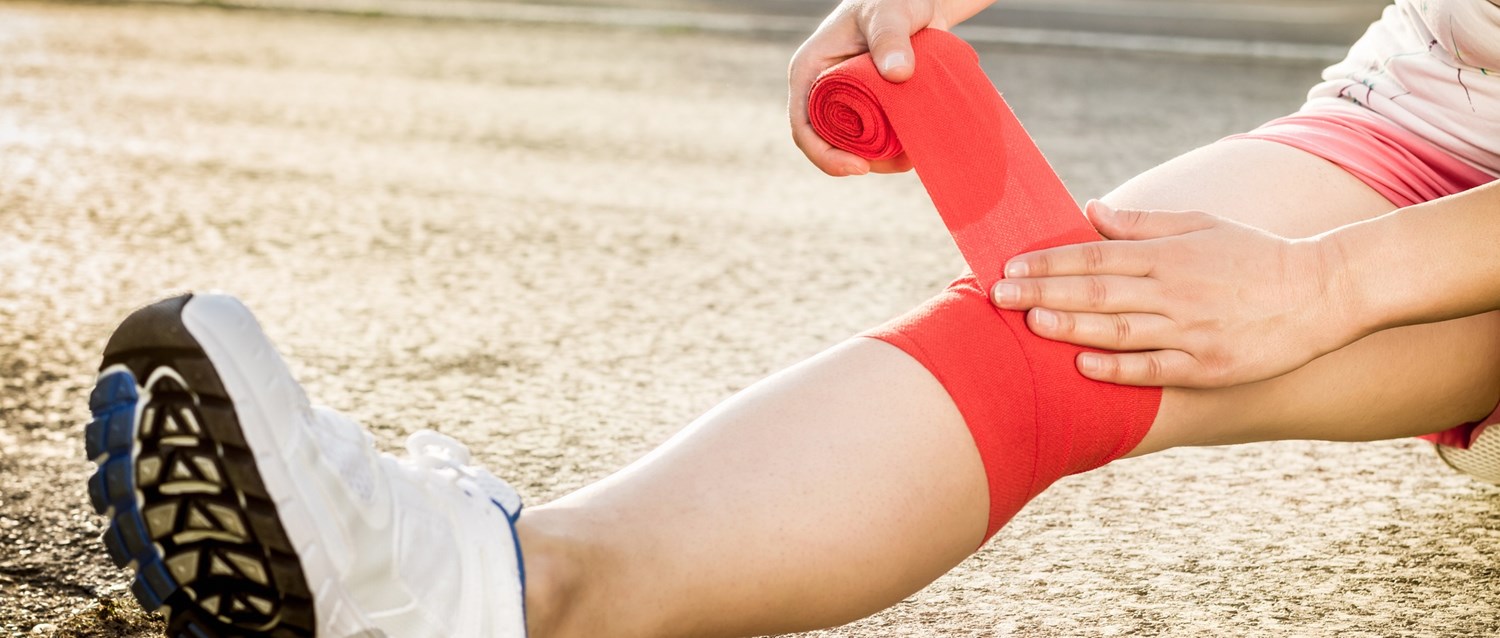
What supplies do you need for a sports first aid kit?
Peer reviewed by Dr Sarah JarvisAuthored by Danny ChadburnOriginally published 19 Oct 2017
Meets Patient’s editorial guidelines
- DownloadDownload
- Share
- Language
- Discussion
- Audio Version
- Add to preferred sources on Google
Sport often tests the limits of our physical abilities, sometimes resulting in injury, so a dedicated first aid kit can really come in handy for quick, effective relief. But deciding on the contents can be challenging, given that they are often dictated by the sport in question.
"A basic first aid kit for sport - and general use - should always contain the essentials to treat the most common injuries and illnesses," says Robert Brown, sports physiotherapist at The Centre for Health and Human Performance. "Once you have these, the kit can then be tailored to the specific needs of the sport you are playing."
Here are the essential first aid items you need in your sports kit.
The basics
No matter what sport you're playing, it's always handy to carry a foam roller for aching muscles, athletic tape for minor sprains, and blister plasters. Pack some paracetamol, which can soothe the immediate pain of sports injuries, while ibuprofen can reduce any swelling associated with a sprain, for example.
It's also useful to have general first aid equipment, such as sterile wipes for wound cleaning, a tube of antiseptic cream to help prevent infection, adhesive and non-adhesive bandages, plasters, ice packs and a first aid manual. You should also include a blanket for keeping patients warm - this is especially important if they're in shock after an injury.
You won't need a full first aid kit if you're just going for a quick jog round the park, but it's always useful to take supplies for cuts and scrapes - a few antiseptic wipes, microporous tape to use in place of a plaster or band aid, and a small bandage. You should also take a credit card and/or cash in case you get hurt and need to take public transport home.
For team sports
Injuries like bruises, grazes and sprained ankles are more common in team sports, especially in football and hockey where there's a high chance of impact. So your first aid kit will need to contain ice packs, elastic bandages and wound dressings, as well as blunt-ended scissors to cut bandages, safety pins to secure them, and microporous tape to seal dressings over a wound, or to place over minor cuts and grazes. A blast of aerosol cold spray can provide cooling relief for muscle aches and sprains. Team first aid kits are a great resource that can be shared amongst players, ensuring aid supplies are available at every game and distributing the cost of gathering supplies.
For racket sports
Blister plasters are a must - blisters on the feet occur in most sports, but they're particularly common in games like tennis thanks to the frequent back and forth, and side-to-side movements, that cause a lot of friction. An anti-friction balm would also be useful to prevent shoes rubbing. An ankle brace might be good idea too, as sprained ankles are particularly common in very physical racket sports such as tennis and squash.
For track and field sports
For track and field sports like cross country running, hurdling and high jump, you will need supplies to treat blisters, strained muscles and sprains. These include a triangular bandage sling, hot and cold packs, and blister plasters. Cold packs are good for immediate use on sprains, while heat packs can be used on aching muscles.
Think about the climate
If you're playing outdoors, your kit should include sun cream to prevent sunburn, as well as protecting any existing burns. In case of bee or wasp stings, pack an allergy kit including oral antihistamine tablets and a topical hydrocortisone cream. If the pollen count is high, you could also include antihistamine eye drops to soothe any irritation associated with hay fever.
If you're in a fix
The rumours are true - thanks to their absorbency, sanitary products really are effective first aid tools! Try using a sanitary towel as a makeshift bandage, or a small tampon can be inserted into the nostril for a nosebleed; it applies pressure and absorbs blood.
A T-shirt - or most other items of clothing - can also be used to apply pressure to a wound if needed. If it's long enough, an item of clothing can also be used as a temporary sling to support a suspected shoulder or arm fracture until you receive treatment from care professionals.
Patient picks for First aid

Treatment and medication
The importance of learning CPR
According to the British Heart Foundation (BHF) 30,000 people have a cardiac arrest each year. Fewer than one in ten of these people will survive. Cardiac arrest can happen to anyone, anywhere, at any time - and without warning. Knowing how to perform CPR could double someone's chances of surviving it. We hear from real-life heroes who've saved lives through CPR. Their stories highlight the vital importance of learning this life-saving skill.
by Victoria Raw
Treatment and medication
What to do if someone is choking - first aid advice from St John Ambulance
Would you know what to do if you saw someone choking and struggling to breathe? According to St John Ambulance, one in three people in the UK don’t realise that failing to act in the first few minutes of a choking emergency could cost a life. That’s why the charity is aiming to teach 500,000 people life-saving first aid skills, giving more people the confidence to act quickly and potentially save a life during one of the most common everyday emergencies.
by Victoria Raw
About the author

Danny Chadburn
Head of Content
Danny was the previous Head of Content at Patient.
About the reviewerView full bio

Dr Sarah Jarvis
Clinical Consultant
MA (Cantab), BM, BCh (Oxon), DRCOG, FRCGP, MBE
After training in medicine at Cambridge and Oxford, Dr Sarah Jarvis MBE became a GP.
Article history
Article also available in English, German, Spanish, French, Italian, Portuguese, Hindi, Hebrew, Arabic, and Swedish.
19 Oct 2017 | Originally published
Authored by:
Danny Chadburn
Peer reviewed by
Dr Sarah Jarvis
Join the conversation
Share your thoughts or experiences with others in our patient communities.

Ask, share, connect.
Browse discussions, ask questions, and share experiences across hundreds of health topics.

Feeling unwell?
Assess your symptoms online for free
Sign up to the Patient newsletter
Your weekly dose of clear, trustworthy health advice - written to help you feel informed, confident and in control.
By subscribing you accept our Privacy Policy. You can unsubscribe at any time. We never sell your data.
More in treatment and medication
- 4 first aid tips for a safe and merry Christmas
- Can your pharmacist help you with your sexual health?
- Do diet pills really work – and are they safe?
- Getting malaria tablets from your pharmacist
- How to get the most out of video physiotherapy
- Is retail therapy actually a thing?
- Mounjaro weight loss injections: FAQs
- One in four adults prescribed addictive medications
- Orlistat healthy eating guide
- Pharmacy First - getting the most from your pharmacist
- Puberty blockers: what the evidence says, and why scientists are still studying them
- Unconventional healing: the rise of alternative therapies
- Wegovy pill: how does the new weight-loss tablet work?
- What happens when medicines interact
- What is bariatric surgery?
- What it's like to be on the organ transplant waiting list
- What to expect when your child starts talking therapy
- Which therapies can ease Parkinson's disease symptoms?
- Why is therapy so exhausting?