Le pain grillé brûlé peut-il vraiment causer le cancer ?
Revu par Dr Colin Tidy, MRCGPDernière mise à jour par Dr Sarah JarvisDernière mise à jour 26 Nov 2018
Respecte les directives éditoriales
- TéléchargerTélécharger
- Partager
- Language
- Discussion
- Version audio
- Ajouter aux sources préférées sur Google
Acrylamide is a chemical formed when starchy foods, such as potatoes and bread, are cooked at high temperatures. Many scare stories have linked this chemical to an increased risk of cancer, but what's the truth?
Sometimes I feel the only way to avoid cancer headlines would be to move to a desert island (obviously without internet connection).
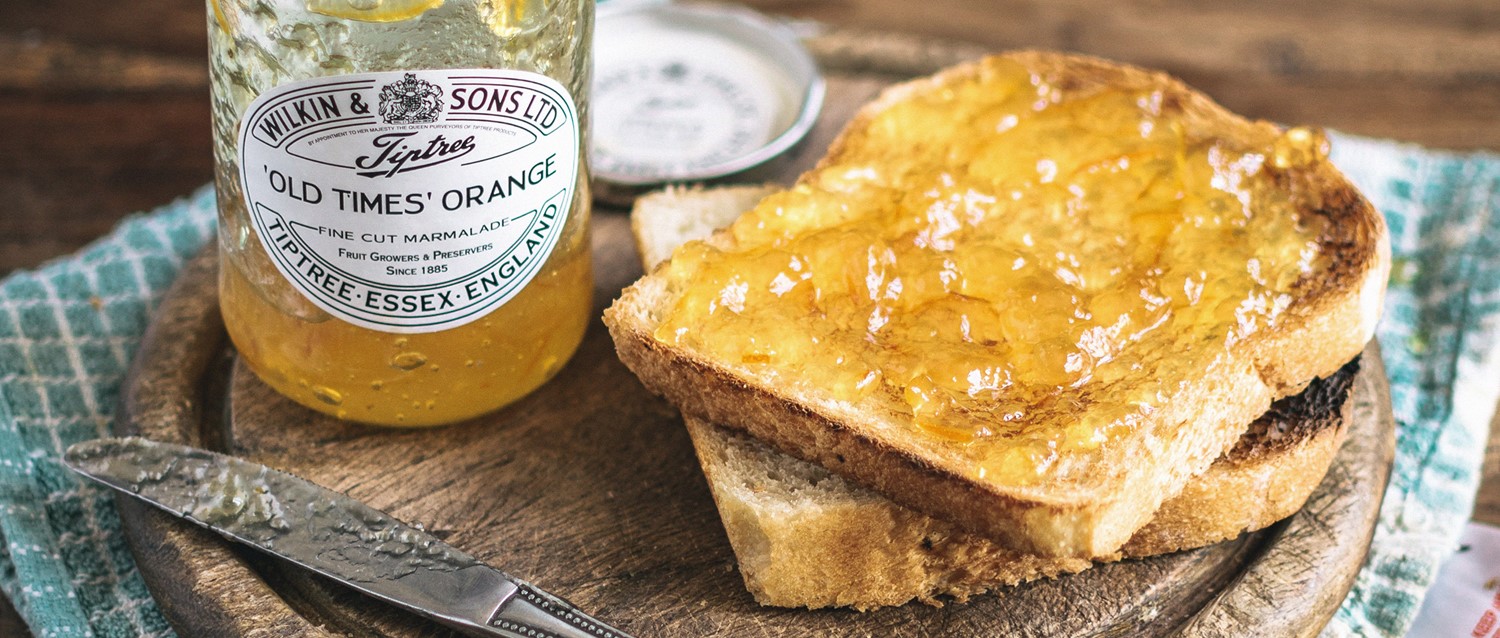
But rumours are still swirling about acrylamide, likely because of a campaign nearly two years ago from the Food Standards Agency about how we should all stop burning our toast. Well, to be precise, we should stop eating burnt toast, dark brown roast potatoes or parsnips on a regular basis, turning the toaster dial down instead to provide no more than a light golden yellow.
What does the evidence say?
The warning came after studies of rodents exposed to high levels of acrylamide saw their risk of developing some forms of breast, testicular and thyroid cancer increased.
But several reviews of evidence for a possible link with cancer in humans have proved inconclusive. At least in part, because it wouldn't be ethical to divide a group of humans randomly in two and feed half of them a possible cancer-causing agent.
The World Health Organization has classified acrylamide as 'probably carcinogenic to humans'. But Cancer Research UK's website highlights a 2007 study following 100,000 US nurses over 20 years, with regular questionnaires about their eating habits. They found that these women's intake of acrylamide was not linked to their risk of cancer.
Acrylamide is produced in starchy foods (like potatoes, parsnips and bread) when cooked at high temperatures above 120°C. Toasting, frying or roasting does the trick, and levels rise with length at this temperature - so levels are lower in boiled or mashed potatoes. Biscuits, breakfast cereals and cakes can also contain acrylamide. Storing foods like potatoes and parsnips in the fridge may raise their free-sugar levels, meaning they produce more acrylamide when cooked.
Should you step away from the toaster?
Taken on its own, I won't be losing too much sleep over acrylamide. Animal studies showing a link with cancer involved levels 1,000 to 100,000 higher than those in the human diet. The Food Standards Agency certainly isn't suggesting that the odd roast potato contains enough acrylamide to do any harm on its own.
In fact, you'd have to have a serious chip habit to put yourself in harm's way. Most humans take in 0.3 to 0.8 micrograms/kg of body weight daily - while the European Food Standards Agency suggests risk starts with daily intake levels of 170 micrograms/kg body weight.
I'd far rather my patients gave up smoking (cigarette smoke contains acrylamide, in case you're wondering) than deprive themselves of the odd piece of crunchy toast.
Fried food, of course, is high in calories, and creates a link between obesity and cancer, including sein, bowel, cervical and kidney cancers. The Food Standard Agency's advice to eat a varied and balanced diet is sensible. But it's the same message I, and thousands of other doctors, have been banging on about for years.
Sélections des patients pour Cancer du côlon

Cancer
Conseils pour vaincre le cancer de l'intestin
Bien sûr, personne ne souhaite avoir un cancer, et vous pouvez penser qu'il est plus facile de ne pas y penser. Mais le cancer du côlon ne disparaît pas simplement parce que vous l'ignorez. Et si vous en êtes atteint, un traitement précoce peut vous sauver la vie. Cela signifie également que vous aurez probablement besoin de traitements moins agressifs, avec moins d'effets secondaires.
par Dr Sarah Jarvis
Cancer
Pourquoi le dépistage du cancer colorectal est si important
Le cancer de l'intestin est le quatrième cancer le plus courant au Royaume-Uni, avec plus de 41 000 personnes diagnostiquées - et 16 000 décès dus à la maladie - chaque année. Le nombre de décès dus au cancer de l'intestin est en baisse, principalement grâce au programme national de dépistage, qui cible les personnes âgées de 60 à 74 ans en Angleterre et les invite à effectuer un test de dépistage à domicile tous les deux ans.
par Allie Anderson
À propos de l'auteurVoir la biographie complète

Dr Sarah Jarvis
Consultant Clinique
MA (Cantab), BM, BCh (Oxon), DRCOG, FRCGP, MBE
Après avoir suivi une formation en médecine à Cambridge et Oxford, le Dr Sarah Jarvis MBE est devenue médecin généraliste.
À propos du critiqueVoir la biographie complète

Dr Colin Tidy, MRCGP
Médecin généraliste, Auteur médical
MBBS, MRCGP, MRCP (Paediatrics), DCH
Le Dr Colin Tidy est un médecin du NHS, basé dans l'Oxfordshire.
Historique de l'article
Les informations sur cette page sont examinées par des cliniciens qualifiés.
Article également disponible en Anglais, Allemand, Espagnol, Français, Italien, Portugais, Hindi, Hébreu, Arabe, and Suédois.
26 Nov 2018 | Dernière version

Demandez, partagez, connectez-vous.
Parcourez les discussions, posez des questions et partagez vos expériences sur des centaines de sujets de santé.

Vous ne vous sentez pas bien ?
Évaluez vos symptômes en ligne gratuitement
Inscrivez-vous à la newsletter Patient
Votre dose hebdomadaire de conseils de santé clairs et fiables - rédigés pour vous aider à vous sentir informé, confiant et maître de la situation.
En vous abonnant, vous acceptez notre Politique de confidentialité. Vous pouvez vous désabonner à tout moment. Nous ne vendons jamais vos données.
Plus sur le cancer
- 8 conseils pour réduire votre risque de cancer à tout âge
- Un nouveau test sanguin peut-il détecter le cancer du poumon précocement ?
- Le cancer du col de l'utérus n'est pas drôle, mais en rire m'a aidé à faire face
- Connaissez-vous les premiers signes du cancer de l'ovaire ?
- Le cancer des testicules affecte-t-il votre fertilité ?
- Comment faire face à une maladie terminale à Noël
- Comment prendre soin de votre peau pendant la chimiothérapie
- Le vaccin contre le VPH pourrait un jour éliminer le cancer du col de l'utérus
- Est-ce un cancer de la prostate ou autre chose ?
- LGBTQI+ : quels sont les obstacles et défis dans les soins de fin de vie ?
- Histoires de Cancer et d'Espoir : donner la parole aux vies touchées par le cancer
- Quels sont les mythes et les faits courants sur le dépistage du col de l'utérus ?
- Quelles sont les étapes du cancer du poumon ?
- Que sont les aliments ultra-transformés et causent-ils le cancer ?
- Ce que c'est que de vivre avec la fatigue due au cancer
- Ce que vous devez savoir sur le dépistage intestinal
- Cartographie 3D des grains de beauté sur tout le corps : l'avenir de la santé de la peau ?
- Pourquoi nous devons tous être conscients de notre poitrine'
- Les femmes 'non averties' des effets secondaires du traitement pour enlever les cellules cervicales précancéreuses
- Votre liste de contrôle essentielle pour le cancer de la peau