
Le vaccin contre le VPH pourrait un jour éliminer le cancer du col de l'utérus
Revu par Natalie HealeyRédigé par Milly EvansPublié à l'origine 27 juin 2019
Respecte les directives éditoriales
- TéléchargerTélécharger
- Partager
- Language
- Discussion
- Ask Patient
- Version audio
- Ajouter aux sources préférées sur Google
De nouvelles recherches suggèrent que l'utilisation du vaccin contre le VPH pourrait entraîner la fin du cancer du col de l'utérus au cours des prochaines décennies.
A new study published in the Lancet analysed data from 60 million people in high-income countries over eight to nine years. It found the girls-only Vaccination contre le VPH has led to a significant drop in HPV infections, verrues génitales and cervical pre-cancer.
The results of the study give strong evidence that HPV works in preventing cancer du col de l'utérus, as both the cause (the HPV infection) and the number of pre-cancerous cells are declining in countries where the jab has been introduced.
Researchers found that the two types of HPV which cause the vast majority of cases of cervical cancer were significantly reduced after vaccination. There was an 83% decrease in HPV16 and 18 in girls aged 13-19 and a 66% decrease in women aged 20-24 five to eight years after receiving the jab.
HPV (human papillomavirus) is the name for a very common group of viruses. It is estimated that 80% of sexually active people will contract HPV at some point in their lives. In most people it is harmless, but some strains can develop into genital warts or cause cervical cancer. Over 3,000 women are diagnosed with cervical cancer each year in the UK and 800 will die.
Since it was licensed in 2007, the HPV vaccination has been adopted by 99 countries, most of which recommend vaccination to girls. The UK will soon be offering the vaccination to boys aged 12-13 as well as girls.
In the study, cases of verrues génitales fell 67% in girls aged 15-19 and 54% in women aged 20-24. Encouragingly, cases of pre-cancerous growths (which may turn into cervical cancer if not treated) were down by over 50% in girls aged 15-19 and 31% in women aged 20-24. The study showed that HPV prevention was greater in areas where there was higher vaccination coverage and coverage of multiple age groups over the eight years. Vaccination also benefited those who were not vaccinated as cases of genital warts dropped significantly in teenage boys and women over 30.
Mélanie Drolet of the CHU de Quebec-Laval University Research Center said: "We saw that programmes with multiple age cohorts of girls vaccinated and high vaccination coverage have greater direct impact and herd effects. This finding reinforces WHO's recently revised position on HPV vaccination to recommend HPV vaccination of multiple age cohorts of girls aged 9-14 years when the vaccine is introduced in a country, rather than vaccination of a single cohort."
Professor Marc Brisson of Laval University Canada agreed. "The landscape of HPV vaccination is rapidly changing, with several countries recently switching from three to two-dose schedules, gender-neutral vaccination, and a newer vaccine that targets more HPV types," he said. He hopes that the new evidence will encourage further research into how the vaccination programme can be used in low-income and middle-income countries.
In comments for the BBC, Robert Music, chief executive of Jo's Cervical Cancer Trust, voiced hopes that those against the vaccination would be positively encouraged by the research. "We sincerely hope this will boost public faith in the HPV vaccine of the past," he said.
Cette étude a été publiée dans le Lancet.
Sélections des patients pour Cancer gynécologique
Cancer
Peut-on être trop âgé pour un test de dépistage ?
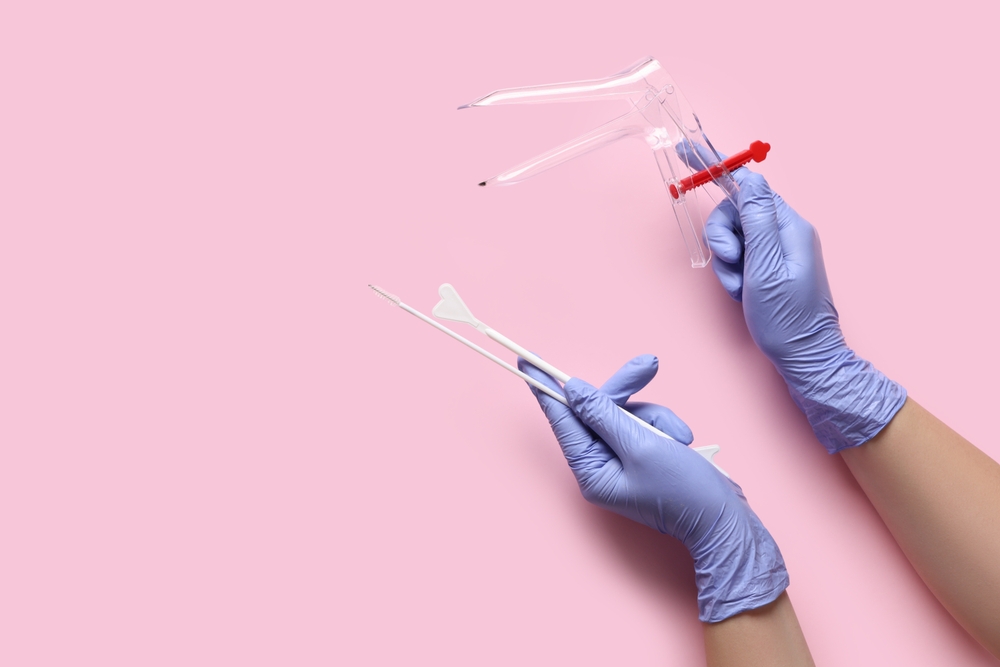
In the UK, routine cervical screening invitations usually stop after the age of 64 if you've had regular tests with normal results. But what if you've never had a smear test before? Can you still have one? And does going through the menopause mean you're no longer at risk? Here's what you need to know about smear test age limits, when cervical screening starts and stops, and whether it's ever too late to have your first test.
par Heather Ainsworth
Cancer
Quels sont les mythes et les faits courants sur le dépistage du col de l'utérus ?
Le dépistage du col de l'utérus est un moyen essentiel de réduire le risque de cancer du col de l'utérus, mais des recherches montrent que de nombreuses femmes et personnes avec un col de l'utérus retardent ou ne se rendent pas à leurs dépistages. Se sentir gêné est un obstacle courant, tout comme la désinformation sur ce que les tests de frottis impliquent. Alors, quels sont les mythes courants entourant le dépistage du col de l'utérus - et quelles sont les réalités ?
par Lydia Smith
À propos de l'auteurVoir la biographie complète
Rédigé par

Milly Evans
Rédactrice
Milly écrit sur une gamme de sujets liés à la santé, avec un intérêt particulier pour les inégalités en santé et la santé sexuelle.
À propos du critiqueVoir la biographie complète

Natalie Healey
Journaliste indépendante
Licence (Hons) en Sciences Biomédicales
Elle est une journaliste de santé basée à Londres qui écrit sur la science et la médecine depuis plusieurs années. Elle est l'ancienne responsable éditoriale chez Patient.
Historique de l'article
Article également disponible en Anglais, Allemand, Espagnol, Français, Italien, Portugais, Hindi, Hébreu, Arabe, and Suédois.
27 juin 2019 | Publié à l'origine
Écrit par :
Milly EvansRevu par
Natalie Healey
Partagez vos pensées ou expériences avec les autres dans notre communautés de patients.
Accès simple à des traitements fiables et à des services de santé en ligne.
Common conditions
Get help with common conditions through the NHS, without a GP appointment.





Inscrivez-vous à la newsletter Patient
Votre dose hebdomadaire de conseils de santé clairs et fiables - rédigés pour vous aider à vous sentir informé, confiant et maître de la situation.
En vous abonnant, vous acceptez notre Politique de confidentialité. Vous pouvez vous désabonner à tout moment. Nous ne vendons jamais vos données.