Air pollution blamed for a third of new asthma cases in Europe
Peer reviewed by Natalie HealeyAuthored by Milly EvansOriginally published 8 Aug 2019
Meets Patient’s editorial guidelines
- DownloadDownload
- Share
- Language
- Discussion
- Audio Version
- Add to preferred sources on Google
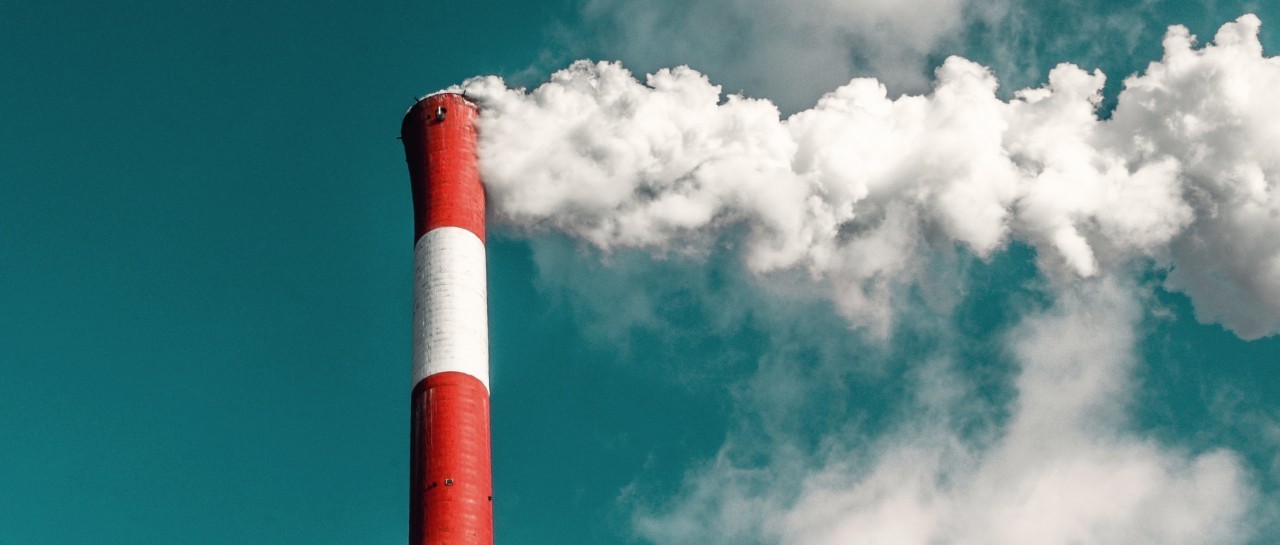
A third of new cases of asthma in Europe could be attributed to air pollution, suggests a study.
Need treatment for asthma?
Start a quick online consultation through Patient.info, available 24/7.
Reviewed by UK-registered clinicians and powered by Evaro, a UK-regulated healthcare service. Treatment can often be delivered next day.

The research, published in the European Respiratory Journal, found that up to 11% of new childhood asthma cases could be prevented every year if European countries complied with the World Health Organisation (WHO) air quality guidelines. If they were able to reduce the pollution levels to the lowest recorded in previous studies, the proportion of preventable new cases could be as high as 33%.
Asthma is a common condition which affects airways. It can cause wheezing, coughing, chest tightness and shortness of breath, ranging from mild to severe. In some cases, asthma attacks can be fatal.
The study, led by the Barcelona Institute for Global Health, estimated the European burden of childhood asthma using census data from the Global Burden of Disease (BGD) database, coming to a figure of 63.4 million children in 18 European countries.
Researchers looked into how many cases each of three pollutants may have caused. 33% of new cases were attributable to PM2.5 (atmospheric particulate matter that is less than 2.5 micrometers in diameter), 23% to nitrogen dioxide and 15% to black carbon (BC).
66,000 childhood asthma cases (11%) could be prevented each year if the countries studied complied with the WHO guideline for PM2.5. Reduced levels of nitrogen dioxide could prevent 2,400 childhood asthma cases. On the back of this, the researchers suggest that emphasis should be placed on reducing levels of PM2.5 to the WHO recommendations.
“The analysis showed that, while meeting the WHO recommendations for PM2.5 would imply a significant reduction in the percentage of annual childhood asthma cases, that is not the case with NO2, where 0.4% of the cases would be prevented. Therefore, our estimations show that the current NO2 WHO air quality guideline value seems to provide much less protection than the PM2.5 guideline. We suggest that these values require update and lowering to be better suited in protecting children’s health,” explained David Rojas-Rueda, Barcelona Institute for Global Health scientists who led the study.
If pollution levels were reduced even further and met the lowest levels of PM2.5 recorded by previous studies, over 190,000 cases, or 33% could be prevented annually. If the same was done for nitrogen dioxide and black carbon, 135,000 (23%) and 89,000 (15%) of cases could be prevented. These figures are in line with previous estimates by other studies.
Lead author of the study, Haneen Khreis, an associated researcher at the Center for Advancing Research in Transportation Emissions, Energy and Health at the Texas A&M Transportation Institute named the findings “a call for urgent action”.
"Largely, these impacts are preventable and there are numerous policy measures which can reduce the ambient levels of, and children’s exposures to, outdoor air pollution. We can and should do something about it.”
This study was published in the European Respiratory Journal.
Patient picks for Pollution
General health and lifestyle
Air pollution in major cities for lungs is as bad as smoking 20 cigarettes a day
Long-term exposure to air pollution can worsen lung disease as much as smoking a pack of cigarettes every day for 29 years.
by Ashwin Bhandari
General health and lifestyle
Air pollution speeds up ageing in the lungs
Air pollution causes lung ageing and increases the chances of developing a serious lung disease.
by Ashwin Bhandari
About the authorView full bio

Milly Evans
Editor
Milly writes on a range of health topics, with a particular interest in health inequality and sexual health.
About the reviewerView full bio

Natalie Healey
Freelance journalist
BSc (Hons) Biomedical Science
She is a London-based health journalist who has been writing about science and medicine for several years. She is the former head of editorial at Patient.
Article history
Article also available in English, German, Spanish, French, Italian, Portuguese, Hindi, Hebrew, Arabic, and Swedish.
8 Aug 2019 | Originally published
Authored by:
Milly EvansPeer reviewed by
Natalie Healey
Join the conversation
Share your thoughts or experiences with others in our patient communities.

Ask, share, connect.
Browse discussions, ask questions, and share experiences across hundreds of health topics.

Feeling unwell?
Assess your symptoms online for free
Sign up to the Patient newsletter
Your weekly dose of clear, trustworthy health advice - written to help you feel informed, confident and in control.
By subscribing you accept our Privacy Policy. You can unsubscribe at any time. We never sell your data.
More in general health and lifestyle
- 5 benefits of bees for your health
- Can cold weather trigger cold sores?
- Can you catch a cold in summer?
- Do New Year's diets actually work?
- Does self-diagnosis work and what are the dangers?
- How to comfort eat healthily in winter
- How to cope with climate change anxiety
- How to relieve itchy eyes in the summer
- How to stay body positive over Christmas
- Is plastic affecting our health?
- Is there an LGBTQ+ health gap?
- Looking after your mental health when returning to work after maternity leave
- Neighbourhood health: What the NHS changes could mean for your care
- NHS opens walk-in clinics for FGM survivors
- Obesity blamed for fewer eligible organ donors
- Study of homeopathy clinical trials reveals poor research practice
- The warning signs of heatstroke and heat exhaustion
- What does a women's health physiotherapist do?
- What is office chair butt - and how do you prevent it?
- When do you really need to go to A&E?