How to keep your child eating healthily at secondary school
Peer reviewed by Dr Sarah JarvisAuthored by Amberley DavisOriginally published 26 May 2022
Meets Patient’s editorial guidelines
- DownloadDownload
- Share
- Language
- Discussion
- Audio Version
- Add to preferred sources on Google
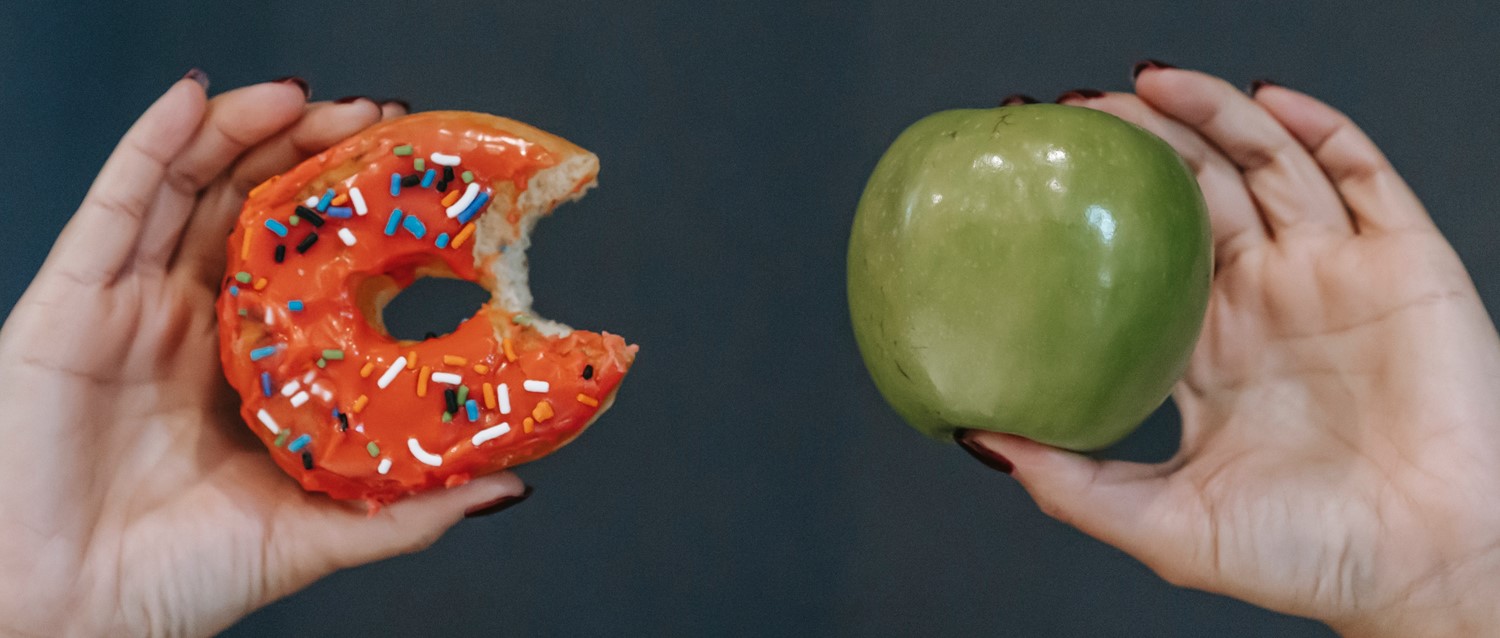
Over half of the nation's teenagers are buying unhealthy food on a regular basis during their school lunch breaks. What can you do as a parent to encourage your child to make healthier choices, and how can you encourage schools to provide more healthy food options that are both appealing and affordable?
Poor eating habits
By secondary school, your teenage child enjoys more freedom outside their home than they've ever had before. Whether it's making their own way to and from school, participating in after-school activities, or simply choosing how and where to spend a free lunch hour, these new choices help your teenager towards independence.
However, this newfound freedom - coupled with the daily temptation of unhealthy foods in adverts and in shops - leads many adolescents to form unhealthy eating habits.
A 2021 study revealed that UK children of secondary school age (children aged 11-18 years):
Eat fewer fruits and vegetables than any other age group - only 8% achieve the recommended 'five-a-day' portions.
Consume more sugar than any other age group - on average, their intake of added sugars, at 14% of their total energy intake, is nearly three times the recommended amount.
The importance of a healthy diet for children
"Diet is extremely important in adolescence as this is a key period for rapid growth before adulthood is reached," says Dr Nirusa Kumaran, medical director and founder of Elemental Health Clinic.
"Adolescence is also an important time for hormonal development, bone development, brain development, and other organ development. It is vital that the body gets enough nutrition to allow these processes to happen seamlessly."
A healthy diet for children is the same as it is for adults - a balanced diet made up of a variety of foods that are rich in nutrients and vitamins. It should:
Include all the food groups (fruits and vegetables, starchy carbohydrates, protein, healthy fats, and dairy products).
Include a variety of nutrients, especially calcium, protein, antioxidants, and iron.
Include healthy fats (unsaturated fats such as omega-3 fatty acids) but limit unhealthy fats (saturated and trans fats).
Limit foods that are highly processed, high in salt, and have added sugars.
"Those who menstruate are encouraged to eat iron-rich foods to combat the loss of blood through menstruation (periods). These can include spinach, kale, lentils, broccoli, lean meats and more," adds Kumaran.
The risks of an unhealthy diet for kids
Healthy eating for children can help protect them from a number of health problems in later life.
Among many others, these include:
In the shorter term, unhealthy eating has been linked to mental health problems such as depression, and poorer academic performance in schools (diets high in saturated and trans fats can negatively affect learning and memory).
Learning to think about food in a negative way can also lead to disordered eating and eating disorders. There are some key warning signs you can look out for in your child.
Children's calorie intake
As well as eating the right kind of foods, it's also important that your teenager eats the right amount. The children's calorie intake chart, below, should be used as a rough guide - the number of calories your child needs each day will depend on several factors, including how physically active they are.
The recommended children's calorie intake per day for your teenager:
Age | Girls | Boys |
13 | 2,223 | 2,414 |
14 | 2,342 | 2,629 |
15 | 2,390 | 2,820 |
16 | 2,414 | 2,964 |
17 | 2,462 | 3,083 |
18 | 2,462 | 3,155 |
Why is it important for children to eat breakfast?
You may not be able to watch what food your teenage child eats outside the home, but you can send them off to school with full tummies. A healthy breakfast will set them up with energy for the day ahead.
According to a 2019 review, young people who eat breakfast have a smaller chance of being overweight, are less at risk of related health conditions, perform better at school, and are generally happier.
Secondary school - challenges and temptations
School Food Matters is a UK charity leading the way in food education and campaigning for access to healthy eating for children in schools. Dela Foster, development manager, and Georgie Branch, programme manager, describe the many challenges faced by teenagers, both inside and outside of school.
Intrusive advertising
"Young people today are bombarded with junk food marketing from the moment they first look at their phones in the morning. Over seven in 10 YouTube channels for children advertise products high in fat, sugar, or salt.
"They pass fast-food takeaways and cheap snack promotions all the way to and from school. If you add to that a lack of healthy choices at school (or no active encouragement to choose them) it's clear that many young people are living in an environment that works strongly against developing healthy eating habits.
Charity BiteBack2030 recently filmed an experiment which showed how influential advertising can be in determining food choices.
In a 2015 study, 63% of 612 secondary school students said they often buy food over their school lunch break. Sandwiches, sweets, and soft drinks were the most common purchases, with sugary drinks bought more often than diet versions.
A British Nutrition Foundation survey revealed that 60% of 11- to 16-year-olds buy foods such as chips or fried chicken at least once a week.
"There are new restrictions in place that stipulate that fast food takeaways should not open within 400 metres of schools in London. However, this only applies to new outlets, not existing ones," add Foster and Branch.
Poor food choices in school
At the same time, many UK schools are not providing adequate healthy options for children. "Parents should know that there are rules in place called the School Food Standards (since 2015) that make healthy food mandatory in schools. However, a recent report showed that only 60% of secondary schools in England are meeting the required standards," say Foster and Branch.
Being a teenager
On top of these challenges, going through adolescence brings its own set of pressures. Hormonal changes influence behaviour, including mood and stress levels. "An adolescent is also likely to face various stressors, such as exams, advancing technology, and more," adds Kumaran.
How to get my child to eat better - tips for parents
Healthy eating for children should be normalised as a way of life, and teenagers should feel comfortable with the food they are eating in order to help reduce the risk of eating disorders in future," says Kumaran. "Parents are encouraged to be role models for their children where possible."
Encourage schools to provide healthier options
School Food Matters believes that parents have a right to request better food at school. "This means that healthy options need to be as attractive and affordable as other options, and ideally replace many of the unhealthy food choices.
"It's possible to see what your children are buying at school on ParentPay,so it is something you can monitor. School Food Matters provides helpful advice for requesting menu changes at school."
School Food Matters have worked with many primary and secondary schools, implementing schemes such as Healthy Zones in partnership with Impact on Urban Health. Working with primary schools, these programmes aim to build good eating habits before the children leave for secondary school.
Students at Hollydale Primary School taking part in School Food Matters' Healthy Zones programme

Choose the right argument
Teaching children about healthy eating habits is no mean feat. School Food Matters have the following tips:
Young people are generally not persuaded by arguments about health. They can often take their health for granted.
Instead, focus on how food provides energy and strength to run around and feel good, both mentally and physically.
There may be other ways to explain the importance of a healthy diet - 80% of young people agreed that the environment is important to them. If this is your child, suggest swapping a meat-based meal for a plant-based one. This can save up to 10 bathtubs of water, whilst also reducing the risk of heart disease.
Make the right food available at home
According to School Food Matters, positive reinforcement at home is important:
Make healthy snacks (such as nuts, fruit, and seeded crackers) available.
Offer two to three vegetable options in your evening meal.
Buy reusable water bottles so your children can take these out of the house. Shop-bought fruit juices, smoothies, and fruit flavoured waters can be heavy on sugar.
Students at Rotherhithe Primary School promoting the School Food Matters water-only policy

Involve them in meal planning, shopping, and cooking
"Encourage cooking at home with freshly prepared ingredients," says Kumaran. "Using herbs and spices to stimulate taste buds, eating meals from various cultural backgrounds, and disguising vegetables in soups and sauces can often improve the satisfaction of eating healthily."
Tips for teenagers
School Food Matters says:
Don't think of foods as individually 'good' or 'bad' - consuming food in moderation is key. Not demonising any individual food is important for creating a positive food mindset.
Practise intuitive eating - this is a way of slowing down and identifying when you are hungry or full up. You can develop a fantastic lifelong habit and are less likely to over-consume.
Kumaran says:
Understand healthy portion sizes - you can refer to the Harvard Plate.
Make simple swaps - this can make healthy eating for children easier. For example, use wholegrain bread instead of white bread, and extra virgin olive oil instead of butter and margarine.
Beware of fad diets - these often lack the nutrition you need for growth and development, and they're not needed if you eat healthy, unprocessed whole foods.
Healthy eating initiatives in schools
Fortunately, campaigners such as School Food Matters are tackling food education in schools around England.
School Food Matters hands-on school projects
These include:
Taking children to farms to pick vegetables.
Teaching them why bees are so important.
Helping them grow vegetables and fruit in their school gardens.
Teaching them to cook and/or prepare simple healthy meals.
The older children get inspiring talks from chefs and a variety of people in the food industry.
Patient picks for Healthy eating
Diet and nutrition
How to eat more vegetables without trying
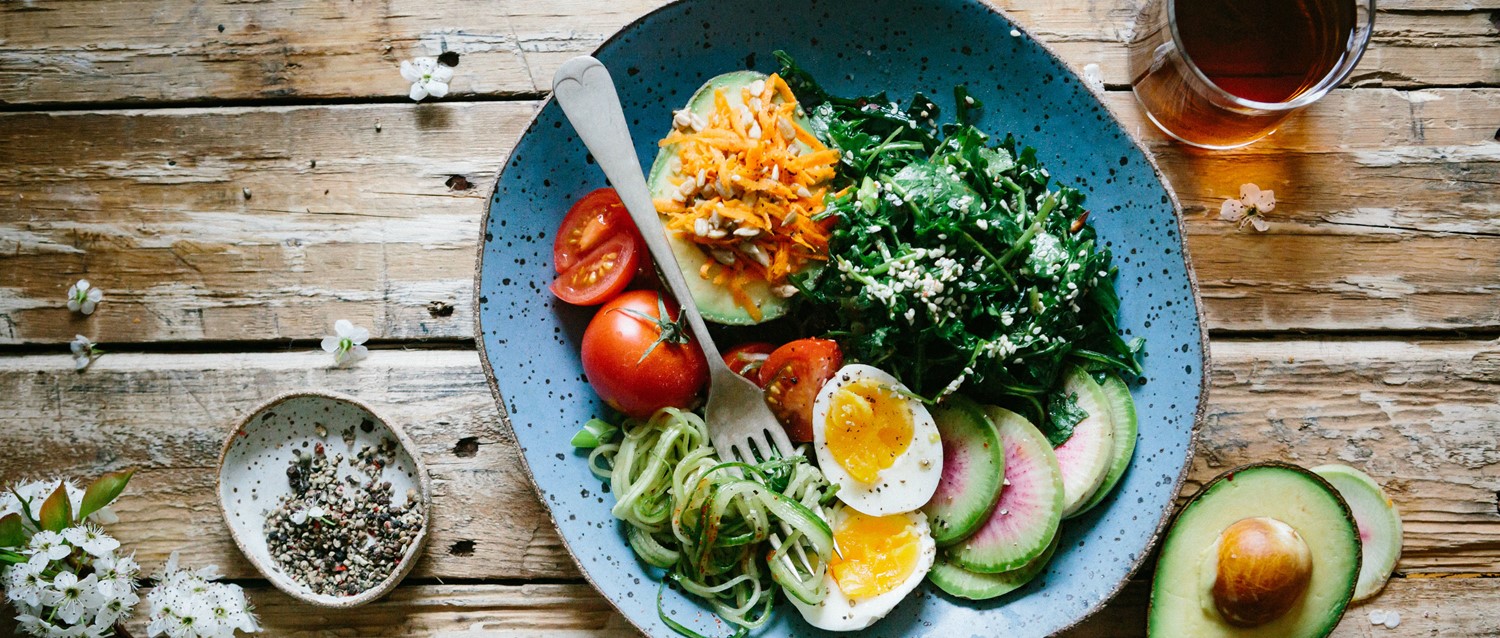
Trying to eat more fruit and veg is a promise most of us make to ourselves on a regular basis. But it doesn't often feel like the easiest (or most appealing) undertaking. Luckily, we ask an expert how to sneakily up your tally.
by Natalie Healey

Diet and nutrition
How to have a healthy Christmas party
Christmas parties are just around the corner and ‘tis the season to be jolly - but if you’re not careful, also the season to pile on the pounds. These days, we’re all more aware of the dangers of excess fat and sugar in our diets, but traditional Christmas foods all seem to hark back to the days when nobody had to worry about their weight.
by Dr Sarah Jarvis
About the authorView full bio

Amberley Davis
Senior writer
BA (Hons), CPD
Amberley is a senior writer with Patient and has written extensively on a range of health and wellbeing topics.
About the reviewerView full bio

Dr Sarah Jarvis
Clinical Consultant
MA (Cantab), BM, BCh (Oxon), DRCOG, FRCGP, MBE
After training in medicine at Cambridge and Oxford, Dr Sarah Jarvis MBE became a GP.
Article history
Article also available in English, German, Spanish, French, Italian, Portuguese, Hindi, Hebrew, Arabic, and Swedish.
26 May 2022 | Originally published
Authored by:
Amberley DavisPeer reviewed by
Dr Sarah Jarvis
Join the conversation
Share your thoughts or experiences with others in our patient communities.

Ask, share, connect.
Browse discussions, ask questions, and share experiences across hundreds of health topics.

Feeling unwell?
Assess your symptoms online for free
Sign up to the Patient newsletter
Your weekly dose of clear, trustworthy health advice - written to help you feel informed, confident and in control.
By subscribing you accept our Privacy Policy. You can unsubscribe at any time. We never sell your data.
More in diet and nutrition
- 5 high-protein vegetarian meals to keep your strength up
- 10 surprising health benefits of cabbage
- A hybrid approach to eating: your guide to the pegan diet
- Can collagen supplements boost your health?
- Can probiotics treat obesity and diabetes?
- Can taking supplements help manage diabetes?
- Can vitamins really prevent hair loss?
- Changing your dietary habits after a type 2 diabetes diagnosis
- Diabetes diet: managing type 2 diabetes
- Does my diet really affect my immune system?
- Eat your way to a healthy heart: tasty recipe ideas for every meal
- Health benefits of garlic
- How gut bacteria affect mood, focus and brain health
- How healthy is flavoured water?
- How to get rid of trapped wind: home remedies that work
- How to make healthy stuffing
- How to shop for a low cholesterol diet
- How to snack healthily when you are vegan
- Is intermittent fasting healthy?
- UpdatedWhat is the carnivore diet and is it healthy?