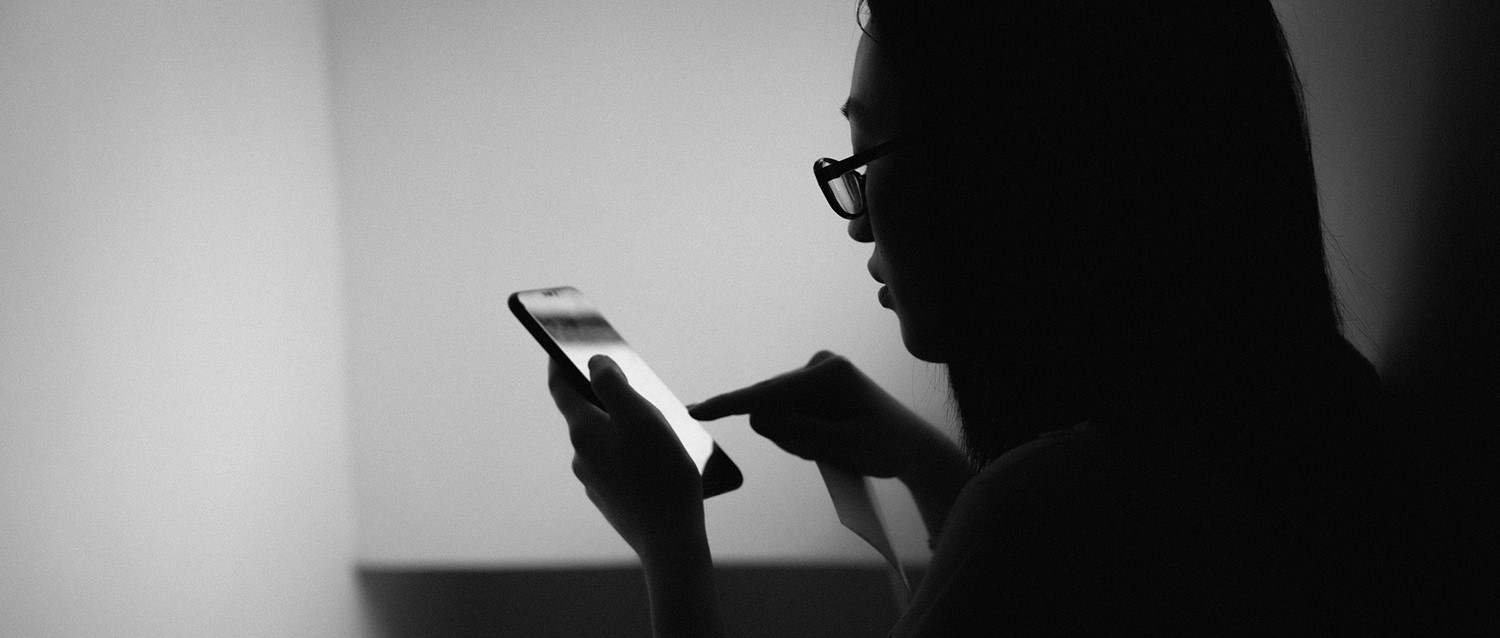
Davantage de preuves que les réseaux sociaux sont associés à la dépression chez les adolescents
Revu par Natalie HealeyRédigé par Ashwin BhandariPublié à l'origine 16 juil. 2019
Respecte les directives éditoriales
- TéléchargerTélécharger
- Partager
- Language
- Discussion
- Ask Patient
- Version audio
- Ajouter aux sources préférées sur Google
Les chercheurs ont trouvé un lien entre l'utilisation des réseaux sociaux et la dépression chez les adolescents.
Sélections vidéo pour Santé mentale et comportementBibliothèque vidéo
For every extra hour that a young adult spends on social media, the more likely they are to experience symptoms of depression, suggests a study published in JAMA Pediatrics.
The research followed just under 4,000 children from 31 schools in Montreal, Canada, and monitored their weekly screen time and episodes of depression via surveys for four years. The teenagers were asked to rate how severe their symptoms were, on a scale of 1-10, which ranged from 'feeling sad', 'feeling hopeless' and 'feeling lonely'.
"Social media and television are forms of media that frequently expose adolescents to images of others operating in more prosperous situations, such as other adolescents with perfect bodies and a more exciting or rich lifestyle. The algorithmic features of television viewing and in particular, social media, create and maintain a feedback loop by suggesting similar content to users based on their previous search and selection behaviour. Thus, the more one's depressive state influences their viewing choices, the more similar content is being suggested and provided, and the more likely one will be continuously exposed to such content, therewith maintaining and enhancing depression," explained the study's lead author, Dr Elroy Boers at Université de Montréal's Department of Psychiatry.
Tvery extra hour a day on social media was linked to an increase in depressive symptoms, with similar findings linked to computer use. However, there was no evidence to suggest that video game use and depressive episodes were linked. The researchers hypothesised this may be because unlike social media, video games are not based in reality.
Dr Gemma Lewis, a psychiatric researcher for University College London who did not work on this study pointed out some limitations. She says teenagers in this research were originally selected for another study looking at interventions for substance abuse.
She said: "We know that many of the personality traits associated with substance abuse could also be associated with depression and therefore these adolescents are likely to have a higher risk of mental health problems than the general population of adolescents. We need more high-quality evidence in addition to this study before we can conclude that adolescents' social media and television use should be regulated to prevent depression."
Sélections des patients pour Santé mentale et comportement

Santé des enfants
Comment aider votre enfant à renforcer sa confiance en lui
En tant que parents, il est naturel de vouloir aider nos enfants à s'épanouir. Et une chose dont nous sommes tous conscients est l'importance d'avoir une estime de soi saine pour leur permettre d'affronter plus sereinement les hauts et les bas de l'enfance.
par Gillian Harvey

Santé des enfants
Mon tout-petit pourrait-il être déprimé ?
Votre tout-petit hurle à tue-tête tout en devenant rouge vif – nous avons tous dû faire face à un bambin qui a perdu le contrôle et fait savoir à tout le monde à quel point il est mécontent.
par Danny Chadburn
À propos de l'auteurVoir la biographie complète
Rédigé par

Ashwin Bhandari
Rédacteur Médical
Licence en Journalisme
À propos du critiqueVoir la biographie complète

Natalie Healey
Journaliste indépendante
Licence (Hons) en Sciences Biomédicales
Elle est une journaliste de santé basée à Londres qui écrit sur la science et la médecine depuis plusieurs années. Elle est l'ancienne responsable éditoriale chez Patient.
Historique de l'article
Article également disponible en Anglais, Allemand, Espagnol, Français, Italien, Portugais, Hindi, Hébreu, Arabe, and Suédois.
16 juil. 2019 | Publié à l'origine
Écrit par :
Ashwin BhandariRevu par
Natalie Healey
Partagez vos pensées ou expériences avec les autres dans notre communautés de patients.
Inscrivez-vous à la newsletter Patient
Votre dose hebdomadaire de conseils de santé clairs et fiables - rédigés pour vous aider à vous sentir informé, confiant et maître de la situation.
En vous abonnant, vous acceptez notre Politique de confidentialité. Vous pouvez vous désabonner à tout moment. Nous ne vendons jamais vos données.