The best ways to get rid of head lice
Peer reviewed by Dr Sarah JarvisAuthored by Danny ChadburnOriginally published 27 Sept 2017
Meets Patient’s editorial guidelines
- DownloadDownload
- Share
- Language
- Discussion
- Audio Version
- Add to preferred sources on Google
They’re difficult to spot and are becoming increasingly difficult to treat; almost 50% of children in the UK have had head lice in the past five years. But don’t despair – the battle might be getting harder, but you can still win the war against head lice.
We asked expert Ian Burgess, president of the International Society of Phthirapterists (people who study lice) to give us the low-down on all the lotions, potions, and treatments on offer, including traditional remedies.
Wet combing
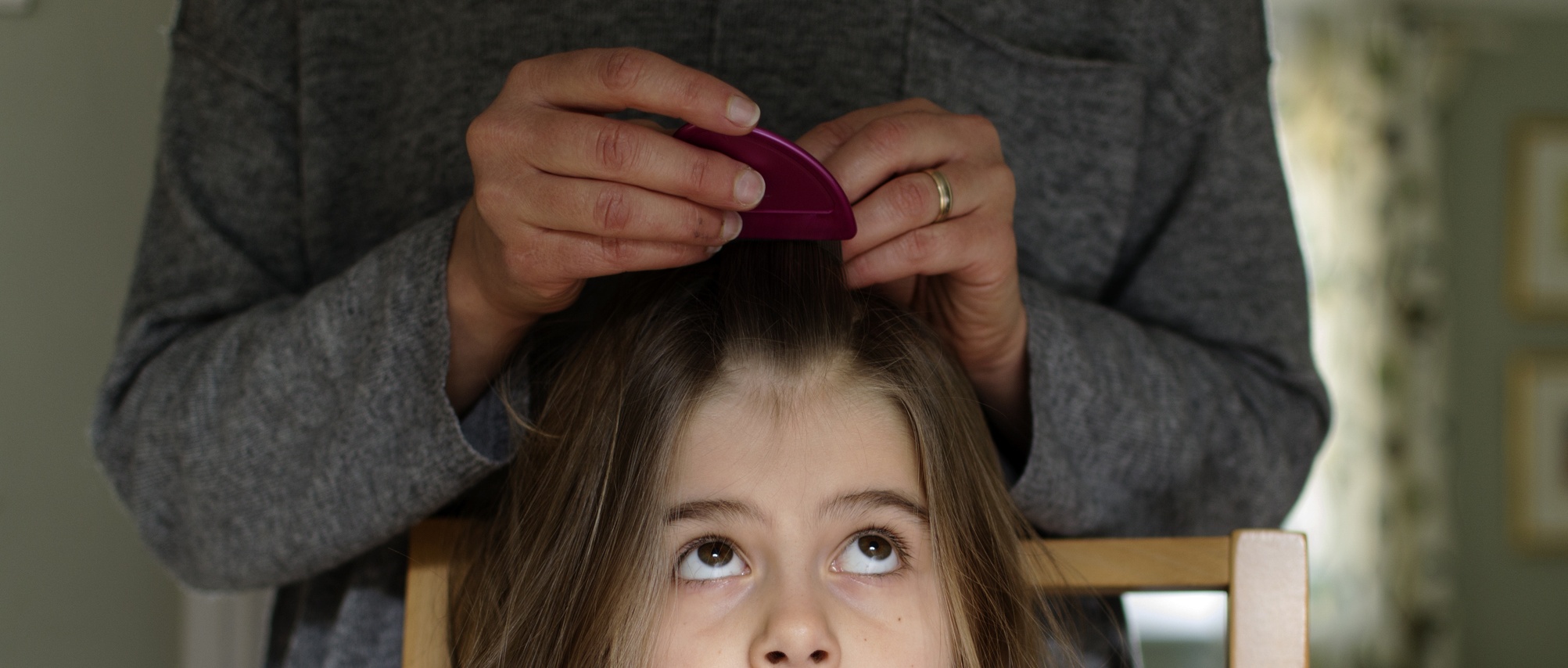
It’s time consuming, deadly dull and your children definitely won’t thank you for it, but regular combing of wet or damp hair – using your usual conditioner and a specially designed comb – is effective, providing you’re thorough.
‘Don’t give up after 10 minutes,’ says Burgess. ‘You need to keep going for around 30 minutes, a few times a week. Keep it up until you haven’t found any lice on three consecutive combings.’
Make sure you buy the right nit comb. ‘Some are too flimsy or have teeth so far apart you can almost get lice in sideways, and anything with oval teeth won’t work. Plastic ones with flat, parallel teeth no more than 0.3 mm apart are best,’ says Burgess. You can buy kits containing multiple combs for less than £10.
Chemical lotions
Traditional insecticide lotions, which work by poisoning the lice, were once the go-to treatment, ‘but head lice are extraordinarily adaptable and have become resistant to them,’ says Burgess.
However, the new breed of lotions, creams and sprays contain an oily substance called dimeticone that covers the lice and suffocates them. These have been shown to work well in clinical trials and are available in supermarkets and chemists.
Even if they claim to be a ‘once only’ treatment, it’s always best to follow up with at least one more application a week later. This is because the eggs, or nits, take a week to 10 days to hatch, so you may have missed them the first time round. Try lotions by Hedrin® and Full Marks®, which have been clinically tested.
Did you know?
Head lice don’t prefer clean hair or long hair. Any hair will do – although long hair might be easier for them to get to.
High-tech solutions
A growing industry is providing high-tech solutions to head lice, but at a cost. Treatments include vacuuming the lice – basically sucking live lice from the scalp – or dehydrating them with heat. Both claim up to a 99% success rate, but so far they’re only available in private clinics. Prices start around £40 per visit and you’ll still need to follow up with lotions and combing.
Tea tree oil
Tea tree essential oil is a natural insecticide. Theoretically, it can poison head lice, providing you use the correct amount. ‘To kill lice, a treatment needs to contain around 11% tea tree oil,’ says Burgess. ‘Most shampoos and conditioners only contain around 1%, so they aren’t strong enough.’
Be careful if you do use an 11% treatment – the tea tree oil is so strong at this concentration it could cause injuries such as blistering of the skin. Follow any instructions for use very carefully.
Home remedies
Mayonnaise, hairspray, vinegar, olive oil, coconut oil, garlic, even dog shampoo, have all been used to fight head lice! Some parents may swear by them but the evidence that they work is minimal or non-existent.
Can head lice be prevented?
Sadly not, unless you keep your child in total isolation – almost 10% of children in the UK have head lice at any one time. A study presented at the British Association of Dermatologists conference in 2017 also revealed that children who use smartphones are twice as likely to get head lice, as they stand together to look at the screens.
However, if you’re vigilant you can catch them early before they’ve tripled in number. ‘Checking your child’s scalp once a week is probably the best way to avoid an infestation,’ says Burgess.
Patient picks for Childhood infections
Children's health
Is it whooping cough or just a cold?
The UK Health Security Agency (UKHSA) has announced that a baby has died of whooping cough - the first fatality of 2025. The baby's mother had not been vaccinated against the illness. Here we look at how to spot the signs of this highly contagious infection which can effect anyone but can be particularly serious for babies and infants - and how to tell if it less serious. We also look at the need to get vaccinated.
by Lawrence Higgins
Children's health
Video: How do head lice spread?
They're tiny, but ever so troublesome. Head lice are one of the unavoidable consequences of school, regardless of how clean you keep your child's hair. Even if you can't avoid them, we've put together some expert advice on how to treat them and try to stop the spread.
by Dr Sarah Jarvis
About the author
Authored by

Danny Chadburn
Head of Content
Danny was the previous Head of Content at Patient.
About the reviewerView full bio

Dr Sarah Jarvis
Clinical Consultant
MA (Cantab), BM, BCh (Oxon), DRCOG, FRCGP, MBE
After training in medicine at Cambridge and Oxford, Dr Sarah Jarvis MBE became a GP.
Join the conversation
Share your thoughts or experiences with others in our patient communities.

Ask, share, connect.
Browse discussions, ask questions, and share experiences across hundreds of health topics.

Feeling unwell?
Assess your symptoms online for free
Sign up to the Patient newsletter
Your weekly dose of clear, trustworthy health advice - written to help you feel informed, confident and in control.
By subscribing you accept our Privacy Policy. You can unsubscribe at any time. We never sell your data.