Under-18s unable to access Botox and fillers: is it a good thing?
Peer reviewed by Dr Sarah JarvisAuthored by Emily Jane BashforthOriginally published 7 Nov 2021
Meets Patient’s editorial guidelines
- DownloadDownload
- Share
- Language
- Discussion
- Audio Version
- Add to preferred sources on Google
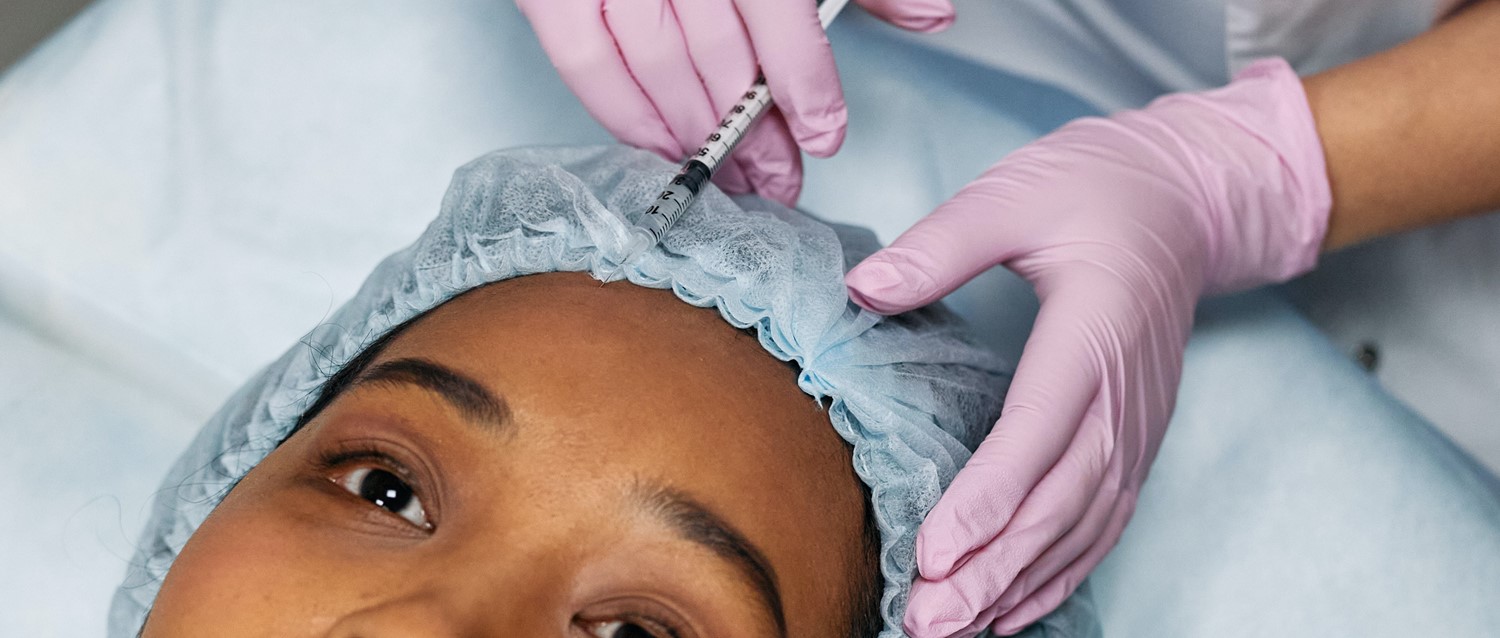
Legislation was recently introduced that means under-18s can no longer access fillers or Botox for cosmetic reasons. The Botulinum Toxin and Cosmetic Fillers (Children) Act makes it illegal for Botox and dermal lip filler procedures to be administered to under-18s, or even for appointments to be booked. But, is this new law a good thing, and how will it protect young people?
What do the new laws mean for under-18s wanting to access Botox and fillers?
New legislation means that clinicians, including dental professionals, who treat under-18s with dermal fillers or Botox without age verification, will face prosecution. This was introduced on October 1st 2021.
For anyone under the age of 18, these new laws simply mean they will not be able to seek treatment with fillers or Botox, without the approval and written consent of a doctor.
The law also applies to people visiting from outside England. It does not matter if an under-18 has permission for the procedure from an adult - the legislation still applies.
What is the purpose of this new legislation?
Lou Sommereux, clinical director at Cosmex Clinic, says the purpose of this new legislation is to safeguard young people. There are many potential health risks associated with botulinum toxins and cosmetic fillers, so having a law in place will minimise the risk of young people experiencing these.
"It is important to remember that fillers are in fact a medical procedure, and that botulinum toxin is a prescription-only medicine. It should only ever be administered by a registered and trained professional who has completed a patient assessment," stresses Sommereux.
In fact, there is virtually no regulation of 'non-surgical cosmetic procedures', including Botox and cosmetic fillers. That means that anyone can (and often does) provide these procedures with minimal training and no medical or scientific background. While the legislation protects under-18s, there is real concern among many healthcare professionals about the safety risks this lack of regulation carries.
Is this legislation a good thing?
Sommereux, who regularly performs these procedures on her patients, feels very strongly that the outcomes of this legislation will be positive.
"I wholeheartedly believe that this legislation is a good thing. Young people are vulnerable as they are developing both physically and mentally. I fear the completely unrealistic beauty standards of today have resulted in a huge spike in mental health disorders in youngsters. They continually compare themselves to unnatural images on social media."
Sommereux also isn't certain that people understand the potential health implications associated with fillers.
If not used correctly, Botox and fillers can be extremely dangerous and even lead to permanent facial paralysis. This is because filler can move away from the intended treatment area, blocking blood vessels and leading to tissue death and or even permanent blindness.
"Ultimately, the new legislation will help to educate young people on the dangers of fillers, and maybe help them begin to appreciate their own beauty," says Sommereux.
When you tell someone they can't have something, don't they just want it more?
There is conversation around the new legislation not working as a deterrent in the way it aims to. If under-18s are told that they can't have fillers, might they just become more determined to get them out of defiance? And could this lead to 'backstreet' procedures in unsafe, unhygienic clinics?
Sommereux thinks there is a danger of this happening, so it's crucial we keep talking about the risks.
"We need to speak openly about the risks associated with having fillers, not only immediately but also in the future. Decisions of this nature should never be taken lightly, and people should always do their research before getting any treatment of this nature done. I think it’s very important to remember that these treatments are medical procedures and should only ever be carried out in a professional environment."
While fillers seem like a simple 'quick fix' for an insecurity or body hang-up, they can be very difficult and expensive. They are also painful to remove or rectify if they go wrong or you change your mind in the future
Sommereux frequently has clients return to her clinic, requesting for their fillers to be dissolved after rushing into the decision.
Is a change in law even enough?
While introducing legislation will provide protection for young people, is it enough? It is one thing to introduce a law on paper, but do we need an intervention on social media as well? Because while a law against Botox prevents young people from altering their appearance in a quest for perfection, it won't stop those anxieties developing in the first place.
91% of 16- to 24-year-olds use social media, and studies show the rates of anxiety and depression in young people increasing. So, does action need to be taken online to shield youngsters from unattainable beauty standards, airbrushing and diet culture? Sommereux thinks so.
"I worry that social media and reality TV shows, such as Love Island, have created unnatural beauty standards. This has led to people feeling insecure in their own skin and it is a huge problem. It's also really sad.
"The constant filters we are faced with on social media are detracting from reality. These celebrity pictures are edited and filtered to seem real, which causes people to feel inadequate. Social media users then strive for an unrealistic level of perfection, only to feel disappointed when they can't reach it. I believe it's irresponsible for social media influencers and celebrities to retouch their images."
Sommereux always turned away unnatural requests from clients. She explains that dermal fillers can alter the dimensions of the face. Even if a person only has a small amount, it can make them look completely different.
She wants young people to realise that, while fillers might look great now, in 20 years' time when their skin is stretched, it will just look saggy. This will lead to a vicious cycle of always needing more.
To any young person wanting cosmetic surgery ...
Now there's a legal barrier between under-18s and life-changing cosmetic procedures, it allows for more thinking time. Young people can fully assess the risks of fillers and do thorough research before committing. Sommereux also wants any young person considering Botox or fillers to think about why exactly that is.
"If someone wants fillers solely to change their appearance, I would strongly advise against it.
"These pictures of celebrities we see across social media are not real, and they are causing people to feel insecure, and contributing to mental health problems. Young people are more susceptible to this pressure because they are still developing both physically and mentally."
She says that fillers should only ever be used to enhance the features someone already has. They should not be a means of hiding or drastically changing anything.
For anybody looking to get fillers or Botox, make sure you go to a reputable clinic and do a lot of research beforehand. Check the clinic is registered and licensed to carry out such procedures, and that they offer a consultation before carrying anything out.
Patient picks for Cosmetic surgery
Treatment and medication
How safe is dermaplaning?
Simple cosmetic procedures like dermaplaning are becoming a routine part of skincare. Dermaplaning might seem like a straightforward treatment for smoother, fresher skin. But is it safe, and should you consider it?
by Victoria Raw
Treatment and medication
What age can you get lip fillers and Botox in the UK?
A new law means those under the age of 18 will no longer be able to access Botox or lip fillers for cosmetic reasons.
by Emily Jane Bashforth
About the authorView full bio

Emily Jane Bashforth
Feature Writer
NCTJ
Emily is a Feature Writer with Patient, writing articles on a variety of topics relating to health and well-being.
About the reviewerView full bio

Dr Sarah Jarvis
Clinical Consultant
MA (Cantab), BM, BCh (Oxon), DRCOG, FRCGP, MBE
After training in medicine at Cambridge and Oxford, Dr Sarah Jarvis MBE became a GP.
Article history
Article also available in English, German, Spanish, French, Italian, Portuguese, Hindi, Hebrew, Arabic, and Swedish.
7 Nov 2021 | Originally published
Authored by:
Emily Jane BashforthPeer reviewed by
Dr Sarah Jarvis
Join the conversation
Share your thoughts or experiences with others in our patient communities.

Ask, share, connect.
Browse discussions, ask questions, and share experiences across hundreds of health topics.

Feeling unwell?
Assess your symptoms online for free
Sign up to the Patient newsletter
Your weekly dose of clear, trustworthy health advice - written to help you feel informed, confident and in control.
By subscribing you accept our Privacy Policy. You can unsubscribe at any time. We never sell your data.
More in treatment and medication
- Are you too reliant on painkillers?
- Can hypnotherapy help you lose weight?
- Can your skin really get addicted to steroid creams?
- Do mental health apps really work?
- Hay fever: how your pharmacist can help
- How physiotherapy can help people with lung conditions
- How to choose a therapist
- Mounjaro weight loss injections: FAQs
- One in four adults prescribed addictive medications
- Practical ways to manage your medicines at home
- Prescriptions: your questions answered
- Puberty blockers: what the evidence says, and why scientists are still studying them
- Should you worry about side effects with malaria tablets?
- The Stranger Things effect: why nostalgia builds connection and improves our mood
- Wegovy FAQs: Common weight loss questions answered
- What is peer support and how can it help you?
- What should you do if someone goes into cardiac arrest?
- What therapies can treat PTSD?
- Why antibiotics shouldn't be overused
- Why wasn't I prescribed antibiotics?