COVID-19: how you can contribute to the fight against coronavirus
Peer reviewed by Dr Sarah JarvisAuthored by Milly EvansOriginally published 14 Apr 2020
Meets Patient’s editorial guidelines
- DownloadDownload
- Share
- Language
- Discussion
- Audio Version
- Add to preferred sources on Google
The coronavirus pandemic has pushed people across the world into difficult times and uncertainty. But we can all play our part and make the world a little bit better by contributing to the fight against coronavirus, whether that's by volunteering, staying informed or contributing to research.
Use Patient's coronavirus checker tool if you have any symptoms of fever or a new cough. Until you have used the tool and been advised what action to take, please stay at home and avoid contact with other people.
Contribute to research
If you have or have had coronavirus symptoms, you can fill in the new COVID-19 symptom surveillance survey to share your symptoms with researchers. This research helps the NHS to understand and tackle the coronavirus pandemic.
The questions will ask you about your current or past symptoms, any symptoms people you live with might have had and how coronavirus has impacted your life, including (if relevant) your employment.
There's also an optional questionnaire at the end about how the pandemic is affecting your mental health. Many people may be experiencing stress, depression or anxiety as a result of the lockdown or worries about COVID-19.
By collating and sharing this information with the right people, the NHS can deliver a more informed response to the outbreak. They can understand the most common symptoms, the social impact of the virus and how many people might have been impacted so far. You can fill in the Covid-19 research survey here.
If you currently have symptoms and are wondering whether to seek medical advice, you can also use the Patient coronavirus symptom checker.
Get involved and volunteer
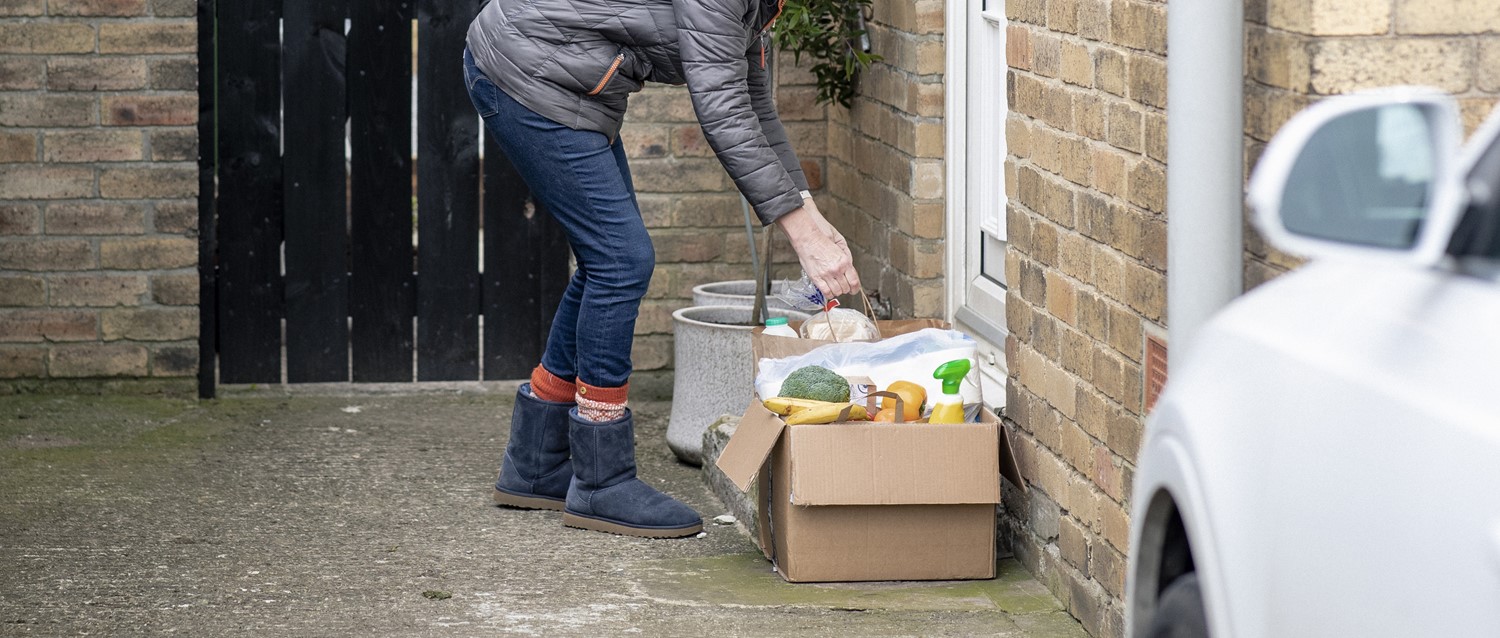
The government announced at the end of March that it was looking for a group of 250,000 volunteers. These volunteers were to help support the people identified as most vulnerable who have to self-isolate for twelve weeks for their own protection. They might be asked to deliver food or supplies or call to check in on people who may be struggling with loneliness.
Within days, the total number of 'NHS Volunteers' rose to 750,000, at which point the NHS temporarily halted sign-ups so the initial applications could be checked. If you are one of the people who signed up to be an NHS volunteer, you'll be receiving details shortly about the tasks you'll need to do.
If you weren't able to sign up, or just didn't fancy the tasks on offer, you can still volunteer to help in different ways if you choose to. Although face-to-face contact will be limited to comply with social distancing rules, there are still charities looking for volunteers to help remotely. Check the website of the charity you wish to support to find out if they need remote volunteers.
Alternatively, you can contact the volunteer centre in your community, find your nearest NAVCA (National Association for Voluntary and Community Action) member or sign up to the Do It website to find out where your help is most needed. Reach Volunteering connects people with skills with charities that need them. Volunteering Matters have a searchable directory to find opportunities in your area.
If you do volunteer to help people - for example, running errands - your journeys will count as essential as you are supporting vulnerable people. But remember to follow all the normal social distancing and handwashing advice to avoid putting yourself or others at risk from COVID-19.
Follow the rules
One of the best ways to contribute to the fight against coronavirus is simply to follow the guidance which has been set out by the government and the NHS. Stay up to date with any changes to this guidance and encourage others to do the same. The lockdown measures haven't been introduced lightly, and they'll continue to be enforced for as long as necessary to save lives and prevent the spread of coronavirus.
By staying at home as much as possible, going out once a day only for exercise in non-crowded areas and minimising the number of times you go out shopping for food, you can reduce the risk to yourself and others. Remember that if you do come into contact with other people - for example, in a shop - you need to maintain social distancing by keeping two metres apart at all times. Wash or sanitise your hands as often as you can and avoid touching your face without washing your hands first.
If we all follow these rules, we can minimise the spread and flatten the curve of infections. This means that fewer people will die and the NHS won't suddenly be overwhelmed with patients.
Support people in your community
Community groups are really stepping up to support each other in this trying time. COVID-19 Mutual Aid groups across the country are connecting people within their neighbourhoods so that people can get the right support from their community when they need it.
Many communities also have WhatsApp or Facebook groups too which can help you stay connected and find out who needs help. On Twitter you could search for your town or area to see if anyone is asking for or offering help.
Due to a shortage, some NHS trusts have asked people to sew hospital scrubs for clinicians. You can find out if this is something your trust needs and how to help them safely by searching online.
Community support doesn't just have to be practical either. There have also been projects across the country made to brighten up people's days. Many children are putting up drawings of rainbows in their front windows; streets are having (socially distanced) dance parties from their doorsteps; and some neighbourhoods have held singalongs out of their windows. If you want to arrange something like this for your area, go for it! Small acts of positivity and kindness can brighten everyone's day and help with our mental health.
And don't be afraid to call on support networks and friends when you need them. This is a tough time for all of us, so it's natural to need help getting through.
Financial support
Not only is coronavirus affecting people's health and social lives, it's had a serious impact on the global and national economy. Many people have found themselves furloughed or made redundant when businesses can no longer afford to function. More and more people are having to claim Universal Credit or rely on an income from the government and finding themselves in a difficult financial situation.
Food banks are also struggling, with some unable to get the essential supplies they need to feed their clients. You can find your nearest foodbank by searching online or getting in touch with your local Citizen's Advice who can give you a referral. You can also search on the Trussell Trust website so see if they have a branch in your area.
Monetary donations are always welcomed by food banks. If you want to donate food or toiletries, check what the food bank actually needs before donating - sometimes they may have a surplus of one thing but a shortage of another.
Charities across the country are struggling as they are no longer able to do fundraising and will find a huge amount of their donations and other revenue hit by the virus. If you can afford to, consider donating to a charity of your choice or hosting a virtual fundraiser to help them stay afloat.
Small businesses also need your support to stay financially stable. It's still safe to shop online during the lockdown and small businesses and freelancers appreciate your support now more than ever.
And as for food shopping, corner shops and independent food stores tend to be quieter than supermarkets. Using these allows you to support a small business and stay safe at the same time.
Patient picks for General information

COVID-19
How to protect yourself from COVID-19 and flu in pregnancy
With unvaccinated pregnant women making up almost 20% of the most critically ill COVID-19 patients in England, it is more important than ever for women to protect themselves against COVID-19 and flu in pregnancy. There are many protective measures that can be taken at home, in work, and through health services.
by Amberley Davis

COVID-19
Are we prepared to fight flu and COVID-19 this winter?
This winter is likely to be unlike one we've seen before. With COVID-19 and flu set to be circulating as the weather gets colder, there's an increased risk from both infections. A big spike in either of the viruses will put extra strain on the NHS, which is already struggling to recover from the impact of the pandemic so far.
by Andrea Downey
About the authorView full bio
Authored by

Milly Evans
Editor
Milly writes on a range of health topics, with a particular interest in health inequality and sexual health.
About the reviewerView full bio

Dr Sarah Jarvis
Clinical Consultant
MA (Cantab), BM, BCh (Oxon), DRCOG, FRCGP, MBE
After training in medicine at Cambridge and Oxford, Dr Sarah Jarvis MBE became a GP.
Article history
Article also available in English, German, Spanish, French, Italian, Portuguese, Hindi, Hebrew, Arabic, and Swedish.
14 Apr 2020 | Originally published
Authored by:
Milly EvansPeer reviewed by
Dr Sarah Jarvis
Join the conversation
Share your thoughts or experiences with others in our patient communities.

Ask, share, connect.
Browse discussions, ask questions, and share experiences across hundreds of health topics.

Feeling unwell?
Assess your symptoms online for free
Sign up to the Patient newsletter
Your weekly dose of clear, trustworthy health advice - written to help you feel informed, confident and in control.
By subscribing you accept our Privacy Policy. You can unsubscribe at any time. We never sell your data.