COVID-19: who can get tested for coronavirus under the new UK guidance?
Peer reviewed by Dr Sarah JarvisAuthored by Milly EvansOriginally published 4 May 2020
Meets Patient’s editorial guidelines
- DownloadDownload
- Share
- Language
- Discussion
- Audio Version
- Add to preferred sources on Google
The UK government pledged to test 100,000 people per day for coronavirus by the end of April. They managed to squeeze past the finishing line on 30th April and more of us are now eligible for testing than had been previously - so who can get tested?
This article has not been updated since it was written and the advice in it may not be up to date. You can find our latest features and advice on coronavirus and COVID-19 in our coronavirus hub.
Use Patient's coronavirus checker tool if you have any symptoms of fever or a new cough. Until you have used the tool and been advised what action to take, please stay at home and avoid contact with other people.
Widespread testing is key to understanding and controlling the coronavirus pandemic. Across the world, governments are making it their mission to organise mass testing so that people with COVID-19 can self-isolate and avoid passing it on to others.
The five pillars of testing
The UK government has a 5-pillar strategy for testing. According to the Department of Health and Social Care (DHSC), these pillars are:
Scaling up NHS swab testing for those with a medical need and, where possible, the most critical key workers.
Mass swab testing for critical key workers in the NHS, social care and other sectors.
Mass antibody testing to help determine if people have immunity to coronavirus.
Surveillance testing to learn more about the disease and help develop new tests and treatments.
Spearheading a Diagnostics National Effort to build a mass-testing capacity on a completely new scale.
The government also announced a set of five tests which the UK must pass in order for lockdown measures to be relaxed. This includes ensuring that there is a sufficient supply of testing to meet future demand. Tests will be key to any easing of restrictions, to ensure that the number of cases of coronavirus doesn't shoot up as soon as we're allowed to return to business as usual.
Who can get tested?
The test currently available is a 'PCR' (polymerase chain reaction) test to determine whether you currently have COVID-19. Antibody tests to determine whether you have previously had it and have immunity are not yet available, as the ones which have been tested aren't accurate enough to use.
Patients who end up in hospital with coronavirus symptoms have been tested to find out if they have COVID-19 for some time in order to inform their treatment. Going forward, everyone admitted to hospital will be tested, regardless of the reason for their admission.
Those who aren't in hospital who would like to be tested must be in certain categories. The criteria for testing are different in England, Scotland, Wales and Northern Ireland.
In England, those who can get tested currently include:
All essential workers (as listed by DHSC) including NHS and social care workers with symptoms.
Anyone over 65 with symptoms.
Anyone with symptoms whose work cannot be done from home (such as construction workers, plumbers, shop workers, delivery drivers etc).
Anyone who has coronavirus symptoms and lives with anyone from the above categories.
Social care workers and residents in care homes, regardless of whether they have symptoms, both to investigate potential outbreaks and later as part of a programme to test all care homes.
Household members of NHS workers, within three days of developing symptoms (in line with NHS England guidance).
You can apply for a test online at GOV.UK.
I'm in one of these groups. How do I get tested?
You can apply for a coronavirus test online if you fall into one of the above categories. Testing is most effective within three days of getting symptoms.
Tests are being offered as drive-through appointments and as home test kits (although these are currently limited). Mobile testing units which can travel to offer tests are being developed. Capacity for testing is also being increased at NHS facilities and satellite centres.
In addition, in the coming weeks, 100,000 people from across England will be randomly selected and sent self-testing kits to determine whether they are currently infected. This is to improve our understanding of how many people are currently infected.
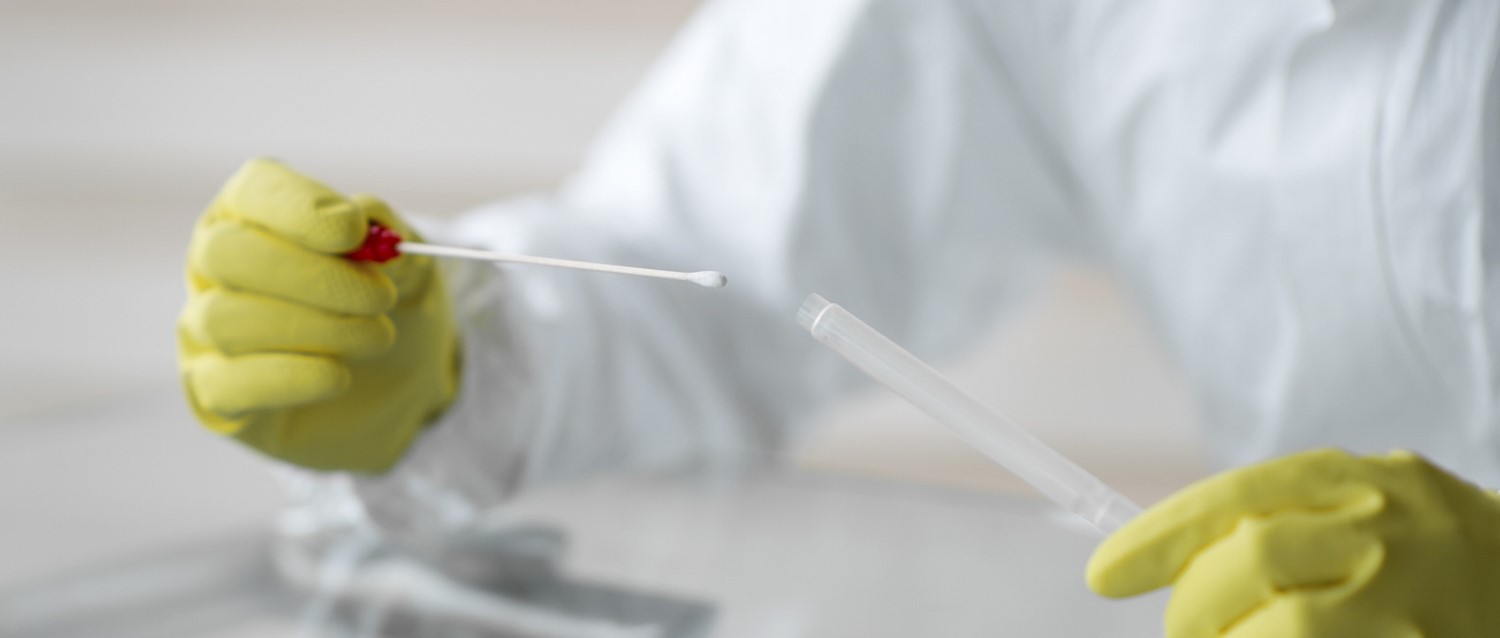
Coronavirus PCR testing involves either the person themself or someone else swabbing the nose and back of the throat. These swabs are then sent to laboratories. You should know whether you have coronavirus within 48 hours of a swab or 72 hours of a home test.
I can't get tested but I think I have coronavirus. What should I do?
Anyone who experiences symptoms of coronavirus - namely a fever or a new, continuous cough - should self-isolate and not leave their house for at least seven days, unless they have been tested and found to be negative for coronavirus. Anyone they live with should self-isolate for fourteen days or for at least seven days from the onset of their own symptoms. Depending on your symptoms, you may need to seek medical help - use the Patient coronavirus symptom checker to find out whether you should do this.
If your fever is persisting after seven days, you need to continue to self-isolate. You can stop self-isolating if you are still coughing after seven days as long as your fever has settled and you are feeling generally better.
Mild coronavirus can be treated at home with rest, plenty of fluids and over-the-counter medicines. If you have to go to hospital as a result of coronavirus symptoms, you will be tested.
If your symptoms are getting worse, you should seek medical advice. You can use the Patient coronavirus symptom checker to find out what you should do next. If you have or have had coronavirus you can also fill in the COVID-19 symptom surveillance survey to contribute to research informing the NHS response to the coronavirus pandemic.
Patient picks for Vaccination, tests and treatment
COVID-19
When will I get my COVID-19 vaccine?
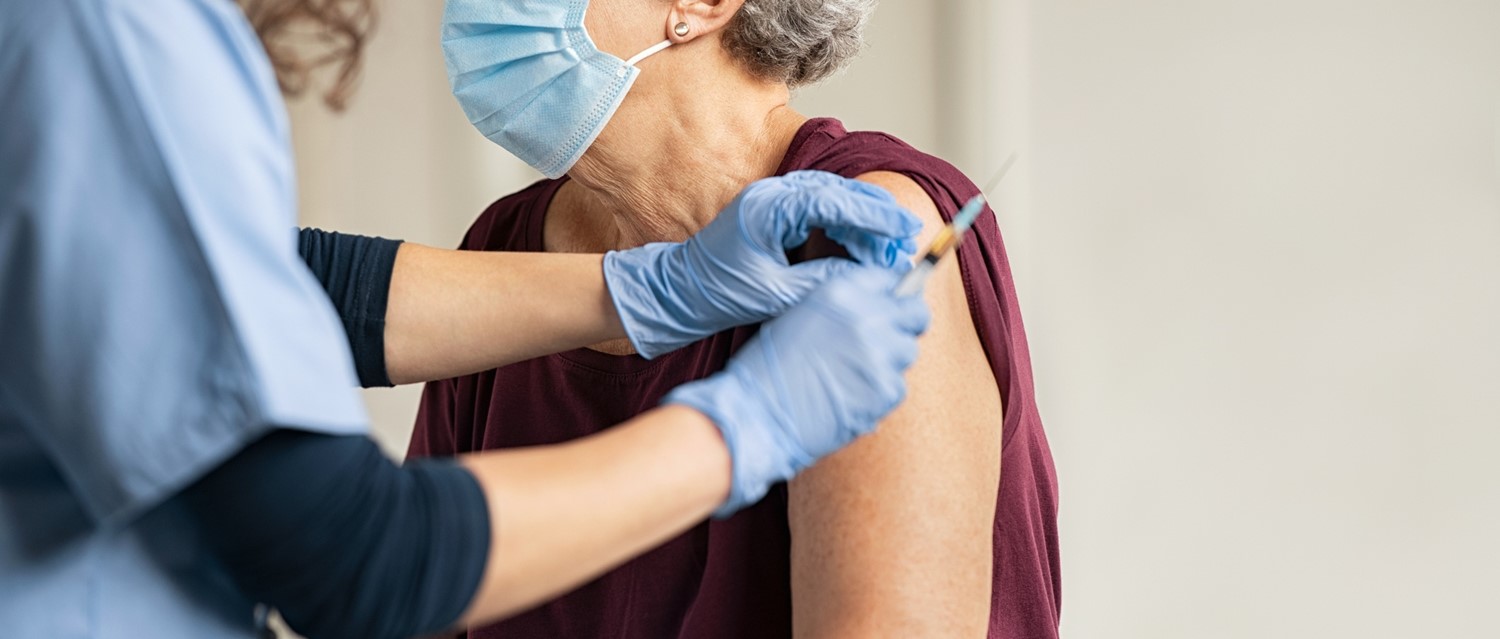
With news that the COVID-19 vaccine has been offered to to government's top 4 priority groups in the UK, the prospect of vaccination available to all is becoming more real. Here we explore which groups have been offered vaccination, why they were prioritised and who comes next.
by Dr Sarah Jarvis

COVID-19
AstraZeneca vaccine: is it safe and does it cause blood clots?
The rollout of the COVID-19 vaccine in the UK has undoubtedly been a huge success. Globally, this vaccine has been rolled out more quickly than any vaccine in history. But among all the good news, several European countries have suspended their rollout after reports of blood clots among people given the AZ vaccine. Should we be worried, or is there more to this than meets the eye?
by Dr Sarah Jarvis
About the authorView full bio
Authored by

Milly Evans
Editor
Milly writes on a range of health topics, with a particular interest in health inequality and sexual health.
About the reviewerView full bio

Dr Sarah Jarvis
Clinical Consultant
MA (Cantab), BM, BCh (Oxon), DRCOG, FRCGP, MBE
After training in medicine at Cambridge and Oxford, Dr Sarah Jarvis MBE became a GP.
Article history
Article also available in English, German, Spanish, French, Italian, Portuguese, Hindi, Hebrew, Arabic, and Swedish.
4 May 2020 | Originally published
Authored by:
Milly EvansPeer reviewed by
Dr Sarah Jarvis
Join the conversation
Share your thoughts or experiences with others in our patient communities.

Ask, share, connect.
Browse discussions, ask questions, and share experiences across hundreds of health topics.

Feeling unwell?
Assess your symptoms online for free
Sign up to the Patient newsletter
Your weekly dose of clear, trustworthy health advice - written to help you feel informed, confident and in control.
By subscribing you accept our Privacy Policy. You can unsubscribe at any time. We never sell your data.