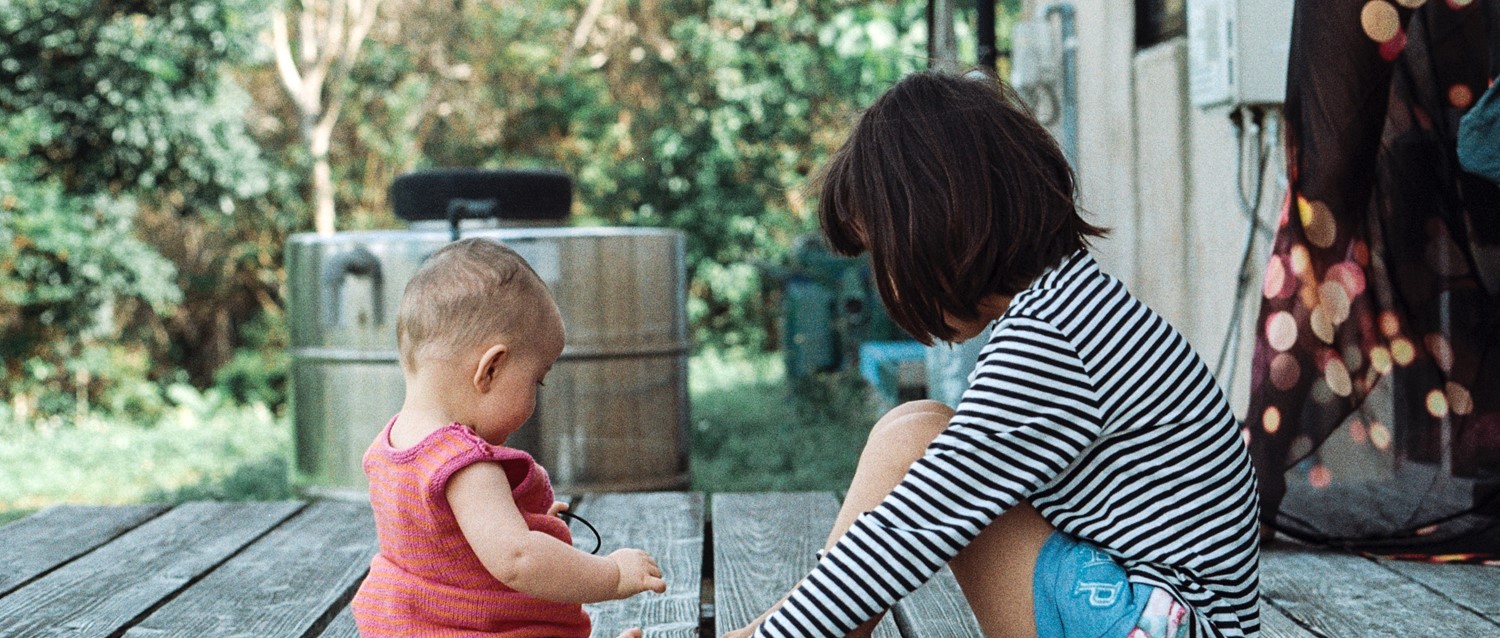
How to help children cope with stress and anxiety during the pandemic
Peer reviewed by Dr Sarah JarvisAuthored by Gillian HarveyOriginally published 9 Jun 2020
Meets Patient’s editorial guidelines
- DownloadDownload
- Share
- Language
- Discussion
- Audio Version
- Add to preferred sources on Google
Children are used to parents having all the answers - or at least seeming to. In this uncertain world, it's not surprising that many parents are reporting their children are suffering stress and anxiety due to the coronavirus crisis.
Use Patient's coronavirus checker tool if you have any symptoms of fever, a new cough or loss of smell or taste. Until you have used the tool and been advised what action to take, please stay at home and avoid contact with other people.
The University of Oxford is currently researching the effect of the COVID-19 and recently released an interim report which showed nearly half of parents and carers felt their child was concerned about family and friends catching the virus. Around a third reported that their child was worried about missing school.
So how can we best help children to manage their stress and give them the reassurance they need, whilst ensuring they are informed enough to stay safe?
Explain the facts
Although there are a lot of unknowns when it comes to COVID-19, there are some key facts and reassurances we can pass on to our children. Your child may have been told things by friends, or seen things on TV and have misunderstandings about the virus and their risk. It's important to talk to them about the facts and ensure they understand the ways they can keep themselves safe.
Teaching children the best way to wash their hands and advising them of social distancing rules is a good starting point. And it's also important to let them know that the risk to them is very low. "There is only a minute risk of a child becoming significantly ill with COVID-19," agrees Dr William Bird, GP at the Royal Berkshire Hospital in Reading. "They are more likely to get a mild illness."
Recognise anxiety signals
Children are not always able to recognise they are suffering from anxiety from the symptoms they feel. So it's important that, as parents, we are able to pick up on possible signs.
"Some children talk about their worries, but not all do," agrees Professor Catharine Cresswell, who led the Oxford University study. "You might notice changes in behaviour - for example, physical discomfort, difficulty sleeping or stomach aches. They might reveal a build-up of tension by behaving badly or more physically than usual."
If we feel our children are suffering from anxiety, it's important to encourage them to open up. "Take an opportunity to work out whether the behaviour relates to anxiety or something else," says Cresswell.
If we feel certain behaviour is occurring because of stress and anxiety, it's OK to give children a little more leeway. However, if their behaviour is causing other family members stress this could be counterproductive. "Families need to work out what works for them to keep life as stress free as they possibly can," agrees Cresswell.
Support and inform
As lockdown is gradually reduced, and our children's world opens a little more, we may notice that our little ones are anxious rather than relieved. This is a natural reaction, and one we may also experience ourselves.
One way to manage this is to help children form a sense of control by focusing on ways to stay safe in a new situation. "What’s generally really important to do is to understand what it is that's making them reluctant to go - the thinking about it. Then correct any misunderstandings that they might have. For example, they might have a view about the level of threat that is unrealistic. Then help them to enter that situation so they can learn that things are safe," advises Cresswell.
"It also helps to highlight the things they are doing to keep themselves safe which will help them to have a sense of control."
Help children cope
There are many other ways we can help our children to find a sense of stability and calm. Child psychologist Dr Sharie Coombes, author of Keep Calm - an activity book designed to support children during the COVID-19 crisis - suggests that we use several different approaches to keep our children's stress levels manageable.
Control
When things feel out of control, it can be helpful to focus on things that we are able to exert control over. Giving your child a household responsibility or sticking to a regular routine can be helpful. Yoga and mindfulness can also help us to tap into this feeling of being in control. "Mindful breathing is a great way to relax and feel in control of how they are responding," advises Coombes.
Curiosity
"Another way to manage is to encourage children to 'be curious' about things they usually don't have time to do or think about. This can be things like watching nature, seeing what time the sun rises and sets, collecting and measuring rainwater, growing sunflower seeds, making a bird feeder or insect hotel etc."
Connection
One thing we are all missing during lockdown is a sense of connection with others. "Writing letters to relatives is a really lovely thing to do and connects people across the miles. Older relatives particularly would love this. Connection is another thing we really need as humans. Equally, talking to relatives online and teaching older adults how to use social media would be great," says Coombes.
Capture
This is a once-in-a-lifetime experience, and while it's not a great deal of fun, it will be something your children will look back on in the future. One way to do this is to help them record what they are experiencing. "Capturing the moment for history is important in order to offer witness to the experience. These kids will be telling their own kids and grandchildren about this period of history. As such, diaries and time capsule activities could be really useful," says Coombes.
Caring
Even in these dark times, we can all find things to be grateful for. Practising gratitude can really boost our mental health. Encourage your child to think about "the parts of what is happening that they are thankful for. For example, having more time at home, or knowing that people are working to make sure we all have what we need," Coombes advises.
Creativity
One way many of us are responding to the crisis is by creating, whether it's art, craft or jotting down our thoughts in a diary. And children can benefit from these types of activity too. "Creativity can come from ways of thinking, to cooking, to art, drama, making 'shows' or singing. It's a great way for all humans to cope with difficult situations."
Confirming
It feels as if the coronavirus has been around for ever. For your child, this period of time may seem even longer. So remind them that life will eventually resume, by making plans for the future. "Making plans for the future helps to confirm that this will end and we will live our 'normal' lives again," advises Sharie.
By helping children to control what they can and make the most of the time they have, we can minimise stress and help kids to cope.
Patient picks for Pandemic articles
COVID-19
COVID-19: is it safe to send your kids back to school?
The UK Government has scrapped its plan to get all children back to primary schools in England before the summer holidays. But as more parents return to work over the coming weeks as some shops and businesses open up, they are left with a difficult decision - is it safe for children to go back to school? We look at the science behind the headlines.
by Gillian Harvey
COVID-19
Coping with OCD as lockdown eases
As pubs, salons and restaurants reopen their doors, for some of us - and for many with OCD - more freedom means more stress. A psychologist who specialises in treating OCD explains what steps people can take to manage mental health problems.
by Ellie Broughton
About the authorView full bio
Authored by

Gillian Harvey
Freelance Writer
BA (Hons) English
Gillian is a freelance writer and columnist for a variety of national newspapers and magazines.
About the reviewerView full bio

Dr Sarah Jarvis
Clinical Consultant
MA (Cantab), BM, BCh (Oxon), DRCOG, FRCGP, MBE
After training in medicine at Cambridge and Oxford, Dr Sarah Jarvis MBE became a GP.
Article history
Article also available in English, German, Spanish, French, Italian, Portuguese, Hindi, Hebrew, Arabic, and Swedish.
9 Jun 2020 | Originally published
Authored by:
Gillian HarveyPeer reviewed by
Dr Sarah Jarvis
Join the conversation
Share your thoughts or experiences with others in our patient communities.

Ask, share, connect.
Browse discussions, ask questions, and share experiences across hundreds of health topics.

Feeling unwell?
Assess your symptoms online for free
Sign up to the Patient newsletter
Your weekly dose of clear, trustworthy health advice - written to help you feel informed, confident and in control.
By subscribing you accept our Privacy Policy. You can unsubscribe at any time. We never sell your data.