
9 food swaps for a delicious and healthy Christmas dinner
Peer reviewed by Dr Krishna Vakharia, MRCGPLast updated by Victoria RawLast updated 2 Dec 2024
Meets Patient’s editorial guidelines
- DownloadDownload
- Share
- Language
- Discussion
- Audio Version
- Add to preferred sources on Google
Being healthy may not always be the first thing on your mind on Christmas day. But what if we said you could make some nutritious food swaps so your Christmas dinner's just as tasty, but secretly healthier?
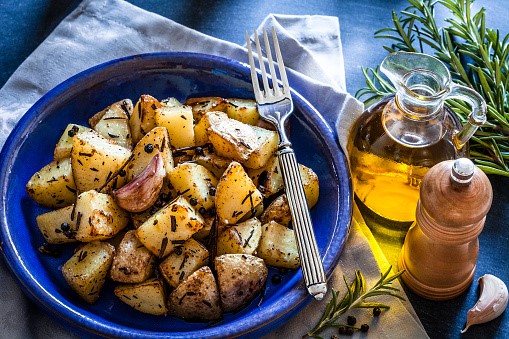
1. Olive or avocado oil for roasties
Roast potatoes are the stars of Christmas dinner for many people. Without sacrificing their crispy exterior, you can make your spuds healthier by roasting them in olive oil or avocado oil instead of unhealthy saturated fats like butter, goose fat or lard.
Dr Kevin Huffman, bariatric physician and CEO of Ambari Nutrition, says: "These oils are monounsaturated fats, which means they contain far more nutrients, and can improve your cholesterol levels."
As for taste, avocado and extra virgin olive oil both have high smoke points which make them perfect for roasting to get a crispy finish. Avocado oil has a neutral flavour, while olive oil from different areas has different aromas. From France it's buttery and nutty, from Italy it's herbal and peppery, and from Greece it's fruity and fragrant.
Roast potatoes with olive or avocado oil
2. Leaner meats
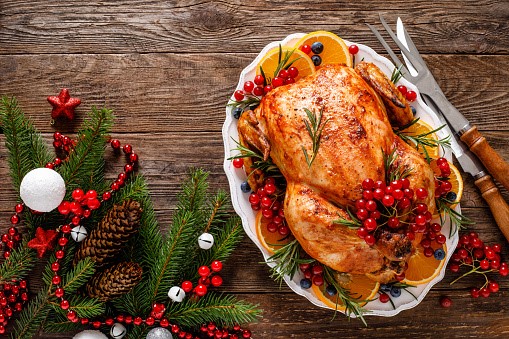
If you love traditional turkey for your protein, no swaps here are necessary.
According to Keri Glassman, dietitian and founder of Nutritious Life, loading up your plate with turkey - instead of fattier meats like ham and beef - is actually one of the best things you can do.
She says: "Turkey is a lean quality protein and is very satisfying. Don't be afraid of the dark meat. Yes, it is higher in fat and calories, but it will also be more filling - and could help you eat less sweets. What you should skimp on is the skin."
Dr Menka Gupta, Nutra Nourish, also recommends salmon.
"Fatty fish is another lean protein source that also provides essential amino acids and omega-3 fatty acids," she explains. "These compounds support muscle health and reduce inflammation - which increases cell damage and likelihood of disease."
Christmas turkey
3. Veggie whole grain stuffing
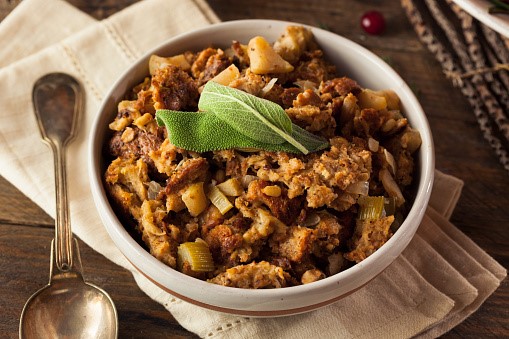
Stuffing is another festive treat that need not be bad for you. In fact, according to Gupta, you can pack in the nutrients while adding more flavour.
She says: “Swap white bread-based stuffing with sausage for whole grain or multigrain bread stuffing, with a mix of colourful vegetables, nuts, and dried fruits. Whole grains provide fibre which supports your gut health, and the variety of vegetables offers a range of phytonutrients, which promote a healthy balance of gut bacteria."
This has long-term benefits, as well as helping healthy digestion - something that most of us need after the over-indulgence of Christmas day.
"If you wish to add animal protein, consider using lean turkey or chicken sausage instead of pork," Gupta adds.
Whole grain stuffing
4. Whole wheat gravy
Gravy is essentially flour, fat and spices. You can make it healthier by choosing healthier flour, a broth base, and by limiting or swapping salt for mouth-wateringly aromatic herbs, such as rosemary, thyme or sage.
Glassman advises: "Use a heart-healthy flour instead of white flour, such as whole wheat flour. If you're not in control of your gravy, stick with portion control of whatever your host is serving. Use 1-2 tablespoons and call it a day."
Gupta adds that a lower intake of salt can lead to lower blood pressure regulation.
Whole wheat gravy

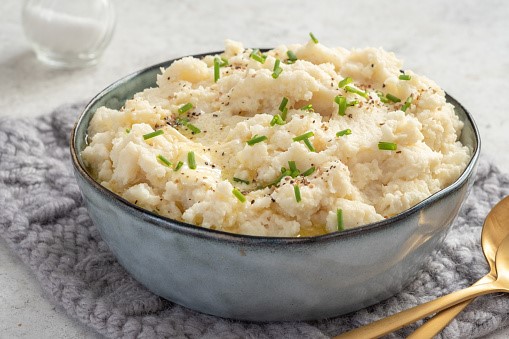
5. Cauliflower mash
Not everyone agrees that mashed potato belongs on your Christmas plate. But for those who love it, Huffman suggests swapping potatoes for cauliflower.
"Transforming mashed potatoes into cauliflower mash offers a creative, nutritious swap for side dishes," he says. "Cauliflower mash is lower in calories and higher in fibre, providing all the taste, with just a fraction of the traditional potatoes calorie and carbohydrate content."
If you can't say no to mashed potato on Christmas day, simply swap poor quality butter and cream for a moderate amount of high-quality grass-fed butter and a splash of skimmed or semi-skimmed milk.
Cauliflower mash
6. Steamed or roasted veggies
How you treat your veggies can make all the difference. Instead of frying them in lots of butter or oil, steam them or roast them with a little avocado or olive oil to help reduce unnecessary fat.
Roasting also tends to bring out the sweetness in carrots and parsnips. These two festive veggies are rich in fibre, potassium, antioxidants and vitamins - including immunity-boosting vitamin C. Carrots also deliver beta carotenes, compounds, which promote healthy skin.
Finally, make sure green is a feature on your Christmas dinner plate - whether this be broccoli, green beans, peas, or sprouts. Green vegetables like these are packed with antioxidants, iron, vitamins and important minerals.
Roasted vegetables

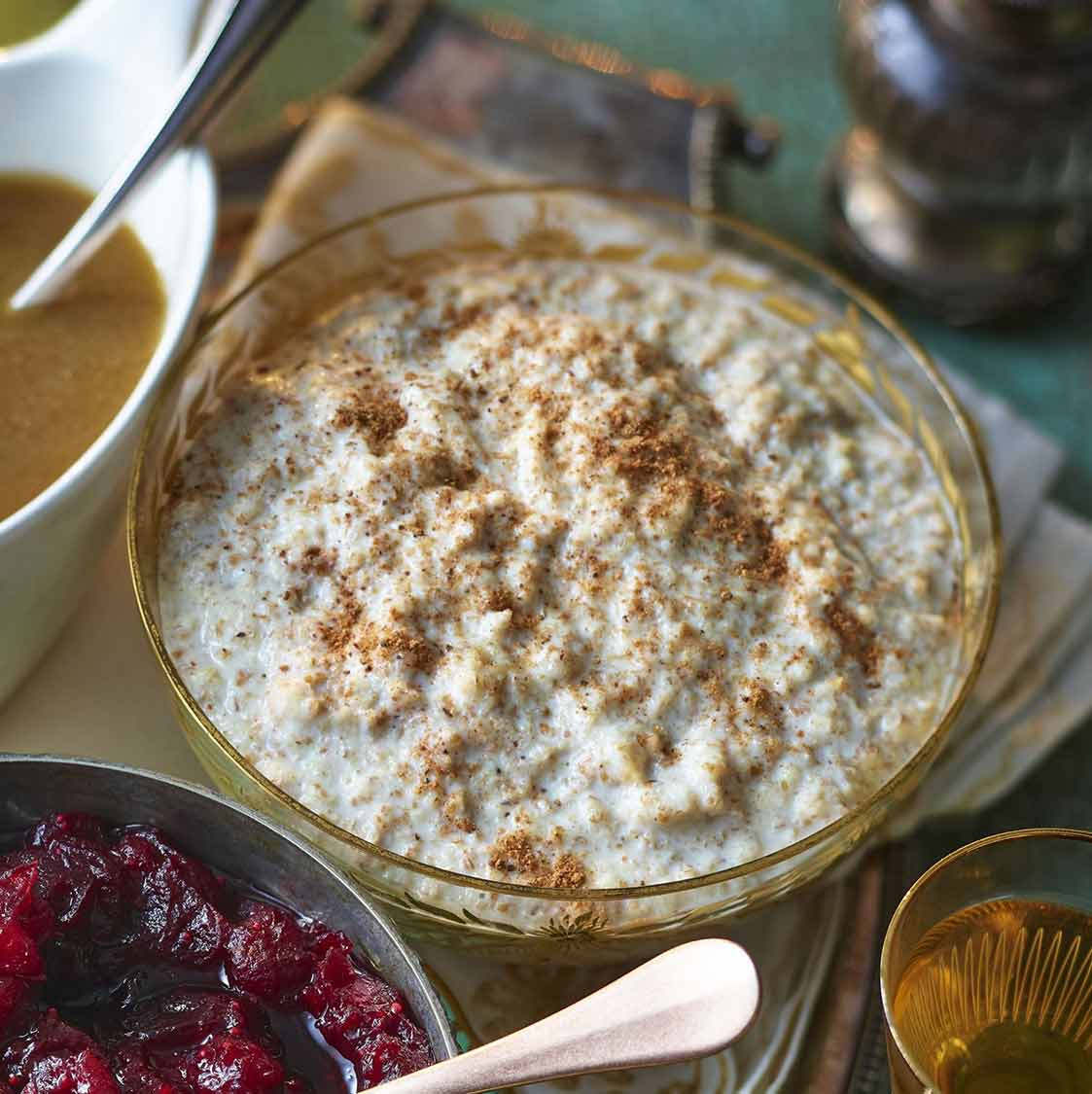
7. Wholemeal bread sauce
If you have time to make your own bread sauce instead of buying pre-made, this can significantly reduce the calories, sugar and salt content of your festive feast.
For homemade bread sauce, swap white bread and cream for heart-healthy wholemeal bread and skimmed milk. Adding onion, cloves, black pepper and nutmeg are all healthy ways to pack in flavour.
Wholemeal bread sauce
8. Naturally sweetened cranberry sauce
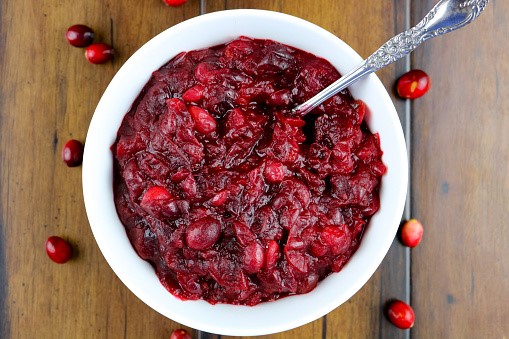
Cranberry sauce will always contain sugar, but if you make it at home, you can use healthier, natural sugars instead of the highly refined sugar found in most shop-bought options.
Gupta suggests replacing tinned cranberry sauce with a healthier homemade cranberry sauce made with natural sweeteners like honey or maple syrup.
"This swap reduces added refined sugars which supports better blood sugar control and insulin sensitivity, reducing related health issues," she says.
Naturally sweetened cranberry sauce
9. Fruit and dark chocolate desserts
You're unlikely to skip dessert on Christmas day, but there are a few tips and tricks to keep those calories under relative control while satisfying your sweet tooth:
Choose fruit-based desserts - Huffman recommends sweet and fruity desserts like mixed berry compotes over traditional pies and cakes to limit sugar and butter while filling up on beneficial antioxidants.
Skip the pie crust - if you are partial to pie, skip as much of the crust as possible to cut out the majority of your dessert calories. Or if you're baking for Christmas day, Gupta suggests ingredient swaps like oats and almond flour can make for healthier cakes and pies that taste just as rich and tasty.
Celebrate dark chocolate - if you're planning to bake with milk chocolate, then think about using dark chocolate or cacao which contain more heart-healthy antioxidants. If you find the taste too bitter, try swapping one half of milk chocolate with 70% dark chocolate in your recipe.
Dark chocolate fruit dessert

Patient picks for Healthy eating

Diet and nutrition
How to have a healthier barbecue
With its unbroken stretch of sunny days, this has truly been a barbecue summer. How better to spend a hot weekend than in a friend's back garden, burgers sizzling on the grill and a jug of Pimms at the ready?
by Abi Millar

Diet and nutrition
Two soft drinks a day may increase risk of early death
A study has suggested that drinking soft drinks, including sugar-free, increases the risk of death.
by Milly Evans
About the authorView full bio
Updated by

Victoria Raw
Feature Writer
BA (Hons), English Literature
Victoria is a content writer at Patient, with special interests spanning mental wellbeing, societal trends and the impact of technology on our health.
Authored by

Amberley Davis
Senior writer
BA (Hons), CPD
Amberley is a senior writer with Patient and has written extensively on a range of health and wellbeing topics.
About the reviewerView full bio

Dr Krishna Vakharia, MRCGP
Chief Medical Officer for Health, Optum UK
MBChB, MRCGP(2013), BMedSci (hons), DFSRH, DRCOG, PGDipDerm (Distn)
Dr Krishna Vakharia is an NHS GP. She is also a regular examiner for the postgraduate Diploma in Practical Dermatology at Cardiff University as well as being the Chief Medical Officer for health at Optum UK.
Article history
Article also available in English, German, Spanish, French, Italian, Portuguese, Hindi, Hebrew, Arabic, and Swedish.
Next review due: 2 Dec 2027
2 Dec 2024 | Latest version
12 Dec 2023 | Originally published
Authored by:
Amberley Davis
Join the conversation
Share your thoughts or experiences with others in our patient communities.

Ask, share, connect.
Browse discussions, ask questions, and share experiences across hundreds of health topics.

Feeling unwell?
Assess your symptoms online for free
Sign up to the Patient newsletter
Your weekly dose of clear, trustworthy health advice - written to help you feel informed, confident and in control.
By subscribing you accept our Privacy Policy. You can unsubscribe at any time. We never sell your data.