10 surprising health benefits of cabbage
Peer reviewed by Dr Colin Tidy, MRCGPAuthored by Heather AinsworthOriginally published 23 Jan 2026
Meets Patient’s editorial guidelines
- DownloadDownload
- Share
- Language
- Discussion
- Audio Version
- Add to preferred sources on Google
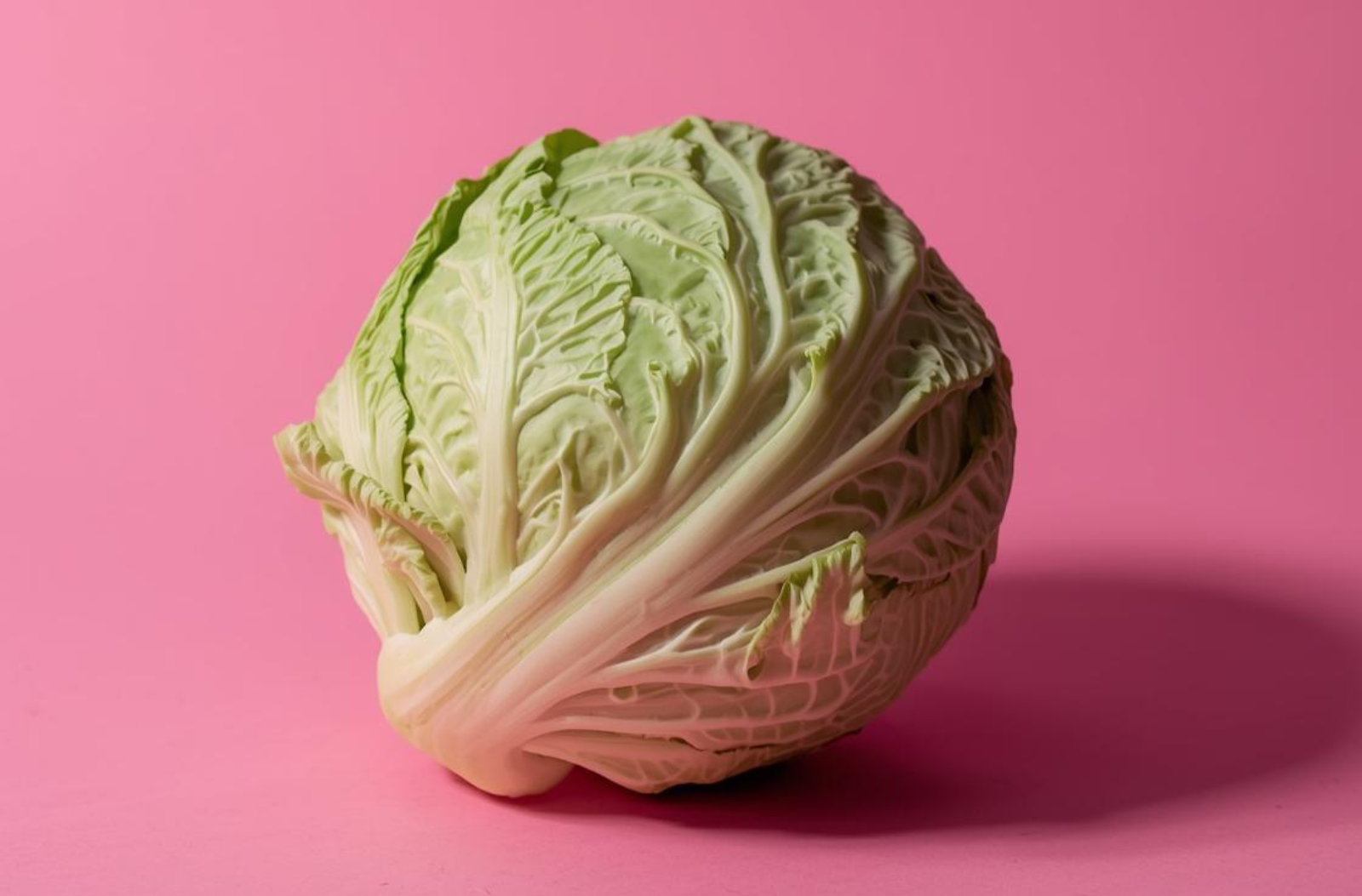
Cabbage might not look like a superfood, but nutritionally, it punches way above its weight. Often overlooked in favour of trendier greens, this humble crucifer has been fuelling healthy diets for centuries.
Packed with vitamins, fibre, and powerful plant compounds, cabbage supports everything from gut health to heart health - all while being affordable, versatile, and easy to prepare.
Whether shredded into slaw, fermented into sauerkraut, or simmered into comforting soups, cabbage is a nutrient-dense powerhouse with a growing body of research supporting its benefits for immunity, digestion, heart health, inflammation, and more.
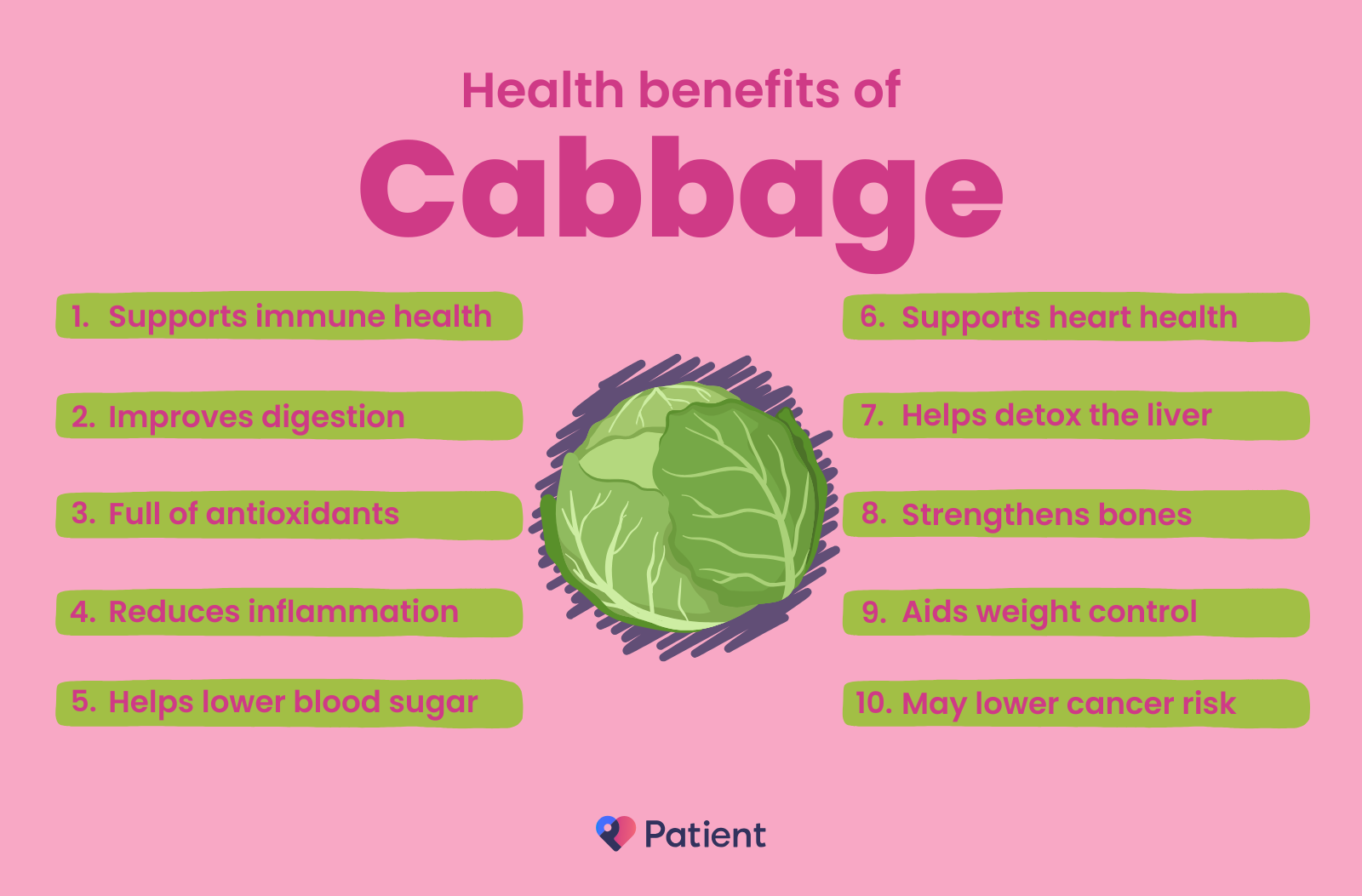
What are the health benefits of cabbage?
1. Supports immune health
Cabbage is packed with vitamin C, a key nutrient that helps your body fight off infections and supports antioxidant defences.
Vitamin C also plays a role in the production of white blood cells, which are essential for identifying and neutralising pathogens, helping your immune system respond more effectively to illness and stress.1
2. Improves digestion and gut health
Thanks to its fibre content, cabbage promotes regular bowel movements, feeds beneficial gut bacteria, and supports overall gut health.
Fermented cabbage such as sauerkraut and kimchi bring probiotics to the table too, which have been shown to aid digestion and strengthen the gut barrier.2
3. Promotes heart health
Red cabbage is rich in anthocyanins, powerful antioxidants that help reduce inflammation3 and protect blood vessels, lowering the risk of heart disease.
Cabbage is also a good source of potassium, a mineral that helps regulate blood pressure by balancing sodium levels and supporting healthy blood vessel function.4
4. Reduces inflammation
Cabbage contains powerful plant compounds such as sulforaphane and kaempferol that help reduce inflammation,56 a key driver of conditions such as heart disease, diabetes, and autoimmune disorders.
By helping to regulate inflammatory pathways and protect cells from oxidative stress, cabbage may support long-term health and disease prevention.
5. Provides powerful antioxidants
Cabbage is loaded with antioxidants, including vitamin C, polyphenols, and sulfur compounds, which protect your cells from damage caused by free radicals - unstable molecules in your body that can damage healthy cells.7
Diets rich in antioxidant-packed vegetables are linked to lower risk of chronic disease.8
6. Strengthens bones
Cabbage is an excellent source of vitamin K, a nutrient essential for bone health. It helps your body bind calcium, which strengthens bone structure and improves overall bone density.
Adequate intake of vitamin K is linked not only to stronger bones but also to a reduced risk of fractures and osteoporosis, especially as we age.9
7. Helps with weight management
Low in calories but high in fibre and water, cabbage helps you feel full without adding many calories. The fibre also helps slow digestion, helps control appetite, and supports steady energy levels throughout the day.10
Just one cup of raw cabbage has only about 22 calories making it a smart, satisfying addition to meals for anyone looking to maintain or lose weight.
8. Supports liver detoxification
Cabbage contains natural sulfur compounds called glucosinolates that help activate enzymes that assist the liver in breaking down, neutralising, and eliminating toxins from the body more efficiently.11
By supporting this process, cabbage helps reduce the build-up of harmful substances and supports overall metabolic and liver health.
9. Helps lower blood sugar
Cabbage is low in carbohydrates and high in fibre, which helps slow digestion and prevent sharp spikes in blood sugar levels.12
Its antioxidants may also improve insulin sensitivity, making cabbage a smart choice for people managing blood sugar or aiming to reduce diabetes risk.13
10. May lower cancer risk
Regular consumption of cruciferous vegetables has been linked to a reduced risk of several cancers, including colorectal14and lung cancer.15
As a cruciferous vegetable, cabbage contains glucosinolates that break down into bioactive compounds shown to help protect cells from DNA damage.
Does type of cabbage matter?
How you eat your cabbage can make a big difference in the nutrients you get. Here’s a quick look at what each form offers.
Cooked | Fermented | Raw |
|---|---|---|
Full of antioxidants | Full of probiotics | Rich in sulforaphane |
Contains glucosinolates | Contains metabolites | Packed with vitamin c and k |
Full of fibre | Source of vitamin k2 | Contains anthocyanins |
Easier to digest | Enhances bioavailability of some nutrients | Provides insoluble fibre |
In short:
Choose fermented or raw for immunity and gut heath.
Choose raw for high source of vitamin C.
Choose cooked or fermented for better digestion.
How much cabbage should you eat?
A standard serving of cabbage is around 80 grams cooked or 1 cup raw. Like other vegetables, cabbage counts toward your “5-a-day,” the recommended daily intake of fruits and vegetables for a balanced diet.
Including a serving or two of cabbage in your meals can help you meet these targets while reaping its many health benefits.
Easy ways to add cabbage to your diet
Cabbage is incredibly versatile, and there are plenty of simple, tasty ways to enjoy it as part of your everyday meals. You can:
Whip up a creamy coleslaw at home, or keep things simple with a shop-bought version - the perfect crunchy side for any meal.
Toss it into stir-fries or homemade soups to add extra texture, colour, and a satisfying crunch.
Enjoy it fermented as kimchi or sauerkraut for a flavour boost that’s both tangy and delicious.
Steam or boil it and serve as a comforting side, especially alongside cosy, hearty meals like a Sunday roast.
Shred it into salads or grain bowls for extra crunch and freshness without overpowering other flavours.
Use it as a wrap or cup in place of tortillas or buns for a lighter, crisp alternative.
Add it to tacos, burgers, or sandwiches for a fresh crunch that balances richer fillings.
Patient picks for Nutrition
Diet and nutrition
10 everyday foods high in vitamin D
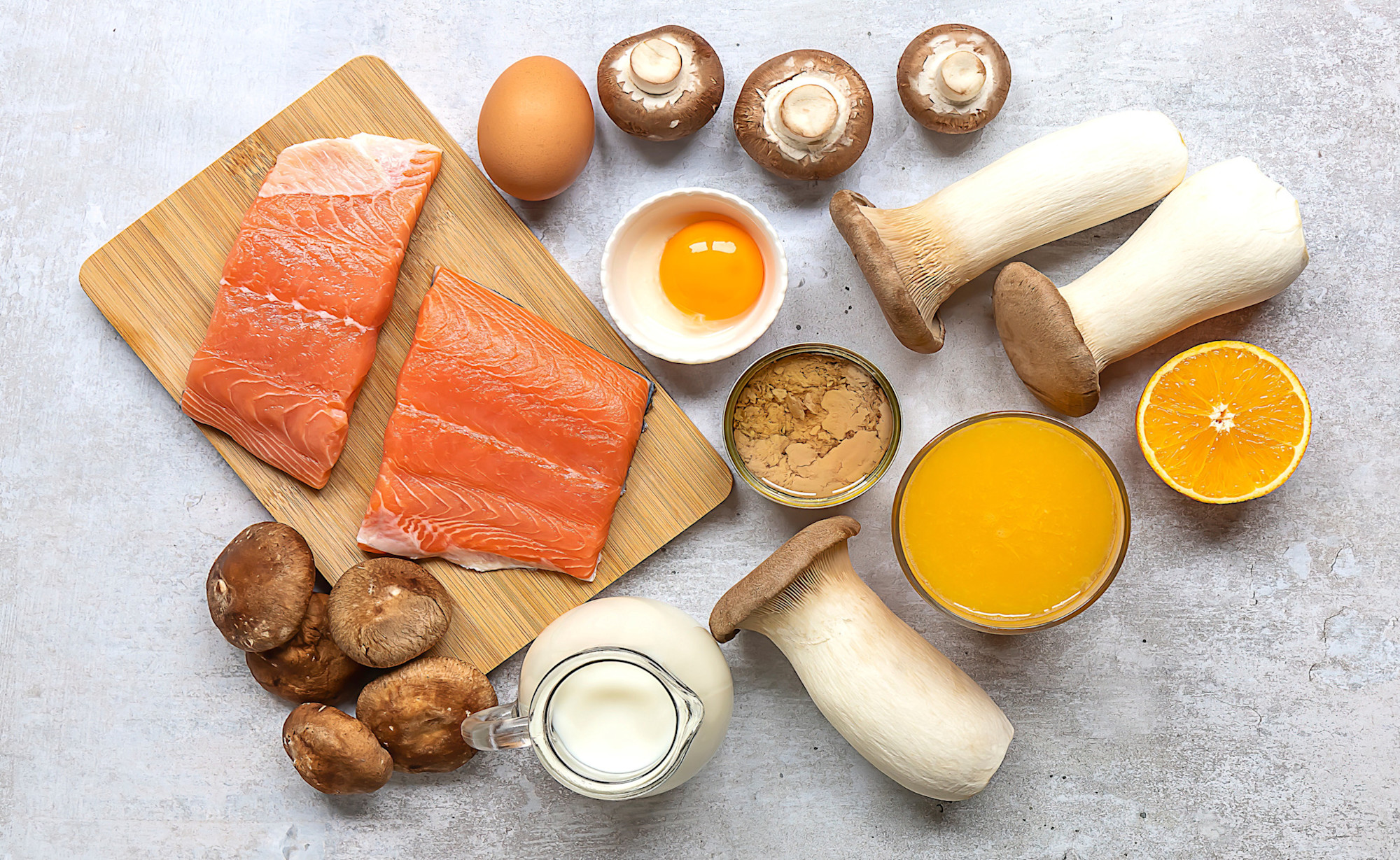
Vitamin D plays an essential role in bone health, immunity, and mood, yet many people in the UK don’t get enough, especially during the darker months. While sunlight is the main source, certain foods can also help to boost your levels naturally. In this article, we explore vitamin D foods you might not expect and how to include them in your diet.
by Josh Alderman
Diet and nutrition
Simple ways to follow a Mediterranean diet
A Mediterranean diet conjures up an image of fresh fish and colourful salads doused in olive oil, washed down with a glass of red wine - all while sitting in the sun of course. While we may not have reliable sunshine in the UK, we can certainly tap into the wide-ranging health benefits offered by the Mediterranean diet.
by Lynn Stephen
Further reading and references
- 1. Carr A and Maginni S: Vitamin C and Immune Function
- 2. Wei L and Marco ML: The fermented cabbage metabolome and its protection against cytokine-induced intestinal barrier disruption of Caco-2 monolayers.
- Joo HK et al: Anthocyanin-Rich Extract from Red Chinese Cabbage Alleviates Vascular Inflammation in Endothelial Cells and Apo E-/- Mice
- Aburto NJ et al: Effect of increased potassium intake on cardiovascular risk factors and disease
- Ruhee RT and Suzuki K: The Integrative Role of Sulforaphane in Preventing Inflammation, Oxidative Stress and Fatigue
- Herrera et al: Kaempferol: Unveiling its anti-inflammatory properties for therapeutic innovation
- Chun et al: Antioxidant properties of raw and processed cabbages
- Zhang et al: Cruciferous vegetable consumption is associated with a reduced risk of total and cardiovascular disease mortality
- Hao et al: Vitamin K intake and the risk of fractures: A meta-analysis
- Wanders et al: Effects of dietary fibre on subjective appetite, energy intake and body weight
- Nho CW and Jeffery E: The synergistic upregulation of phase II detoxification enzymes by glucosinolate breakdown products in cruciferous vegetables.
- Connolly et al: Cruciferous vegetables improve glycaemic control compared to root/squash vegetables
- Wang et al: Higher intake of fruits, vegetables or their fiber reduces the risk of type 2 diabetes
- Tse G and Eslick G: Cruciferous vegetables and risk of colorectal neoplasms
- Lam et al: Cruciferous vegetable consumption and lung cancer risk
About the authorView full bio

Heather Ainsworth
SEO Manager
BA (Hons) Business and Marketing, IDM Cert DDM, MHFAider®
Heather is the SEO Manager at Patient and a trained Mental Health First Aider. She is also a regular health writer, covering a wide range of topics with a particular interest in mental wellbeing, women's health, and holistic health.
About the reviewerView full bio

Dr Colin Tidy, MRCGP
General Practitioner, Medical Author
MBBS, MRCGP, MRCP (Paediatrics), DCH
Dr Colin Tidy is an NHS Doctor, based in Oxfordshire.
Article history
Article also available in English, German, Spanish, French, Italian, Portuguese, Hindi, Hebrew, Arabic, and Swedish.
Next review due: 23 Jan 2029
23 Jan 2026 | Originally published
Authored by:
Heather AinsworthPeer reviewed by
Dr Colin Tidy, MRCGP
Join the conversation
Share your thoughts or experiences with others in our patient communities.

Ask, share, connect.
Browse discussions, ask questions, and share experiences across hundreds of health topics.

Feeling unwell?
Assess your symptoms online for free
Sign up to the Patient newsletter
Your weekly dose of clear, trustworthy health advice - written to help you feel informed, confident and in control.
By subscribing you accept our Privacy Policy. You can unsubscribe at any time. We never sell your data.
More in diet and nutrition
- 5 quick and healthy meals for students
- 5 warming soup recipes
- 9 food swaps for a delicious and healthy Christmas dinner
- Can diet drinks cause type 2 diabetes?
- Can your diet reduce the risk of cancer?
- Does aloe vera juice really help with gut health?
- Does your body need vitamin supplements?
- Have a happy and healthy Ramadan
- Healthy packed lunch ideas for school
- How to eat healthily on a tight budget
- How to gain weight healthily
- Kimchi and sauerkraut: What are the benefits of eating fermented foods?
- Raw milk - is it actually good for you or just another wellness trend?
- The 5 best probiotic foods for a healthy gut
- Ultra-processed foods: Are dairy-free milks like oat or soya good for us?
- Ways to improve your relationship with food
- What are the benefits of a plant-based diet?
- What are the dangers of a detox diet?
- Which pregnancy vitamins do I really need?
- Whole grain heroes: Why eat ancient grains?