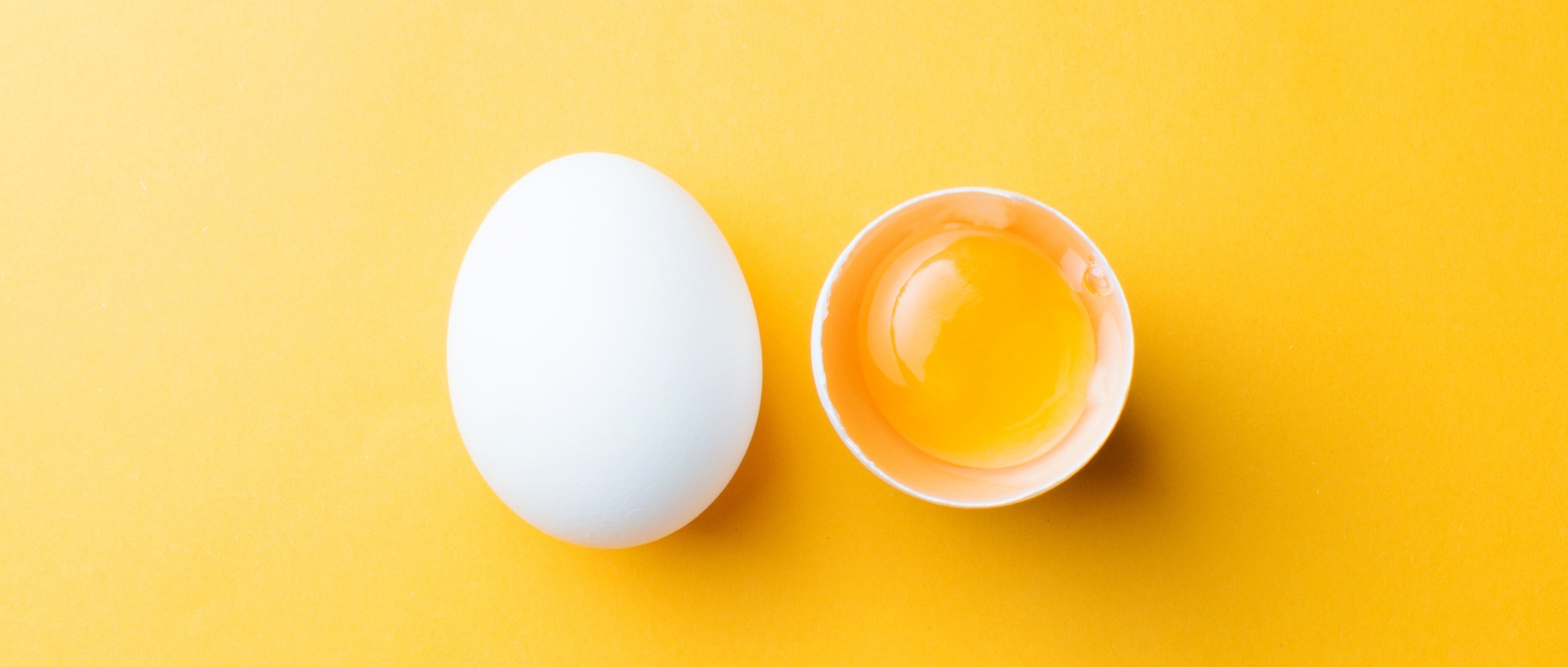
How a protein-packed breakfast can boost your health
Peer reviewed by Dr Krishna Vakharia, MRCGPAuthored by Victoria RawOriginally published 30 Apr 2025
Meets Patient’s editorial guidelines
- DownloadDownload
- Share
- Language
- Discussion
- Audio Version
- Add to preferred sources on Google
When we think of breakfast, we often picture a bowl of cornflakes with milk. While it’s a classic morning staple, it might not be the most effective way to start your day, as it lacks protein. Adding more protein to your breakfast can boost your energy levels and help keep you feeling full for longer.
What is protein and why do we need it?
Protein is an essential macronutrient your body needs to stay in top form. It supports muscle growth and strength, aids in the repair of tissues, promotes faster wound healing, and plays a key role in the growth of new cells. A protein-rich diet also helps maintain strong bones, supports healthy digestion, regulates hormones, and reinforces your immune system.
Helena Barham-Coppola, Nutritional Therapist, Functional Medicine Practitioner, and Founder of Nourish&Be, London, UK, explains that around 15% of your body weight consists of protein, which is made up of skin, bones, hair, nails, organs and other tissues.
"Proteins are made up of smaller units called amino acids," she says. "Think of proteins like a beaded necklace, with each coloured bead being a different amino acid.
"There are over 500 amino acids in nature, but only 20 in humans. Of the 20 amino acids, 9 of them are essential - this is because we cannot make them, so without acquiring them through diet we would be unable to function properly."
Barham warns that a lack of protein in your diet can seriously impact your health in various ways.
These include:
Muscle wasting.
Impaired immune function.
Slow wound healing.
Hormone imbalances.
Poor growth.
Other symptoms of low protein levels may present as:
Dry skin.
Rashes.
Extreme tiredness (fatigue).
Brittle hair and nails.
Fluid retention (oedema).
How much protein should you eat a day?
In the UK, most adults are recommended to eat 0.75 grams of protein for every kilogram of body weight each day. This amounts to around 45 grams daily for a 60 kilogram woman and 55 grams for a 73 kilogram man.
"0.75 grams per kilogram might be enough for adults doing minimal activity," says Barham. "However, functional needs might be better met with 1 gram for low activity, 1.3 grams for moderate activity, and 1.6 grams for people with high activity levels."
Barham advises that people over 65 should be eating 1-1.2 grams per kilogram to support muscle loss that accompanies the ageing process. People with long-term or acute health conditions are also advised to consume more - 1.2-1.5 grams per kilograms - to support their immune system and other bodily functions.
"Long-term, I would not recommend going over 2 grams per kilogram per day, as this can lead to adverse reactions," she adds.
Barham suggests that consuming animal products is the best source of protein because they contain all the essential amino acids that humans need.
These can include:
Eggs.
Chicken.
Beef.
Lamb.
Game.
Fish.
Shellfish.
Offal.
Cheese.
Yoghurt.
Some plant sources are rich in amino acids, such as:
Soybeans.
Tofu.
Tempeh.
Quinoa.
Why is having a high-protein breakfast good for you?
Protein sends signals to your brain that you're full. This means it helps to regulate your appetite and curb the urge to overeat.
Barham explains that if you start your day with a low-protein breakfast - such as a bowl of cereal and milk - this won't give you that same feeling of fullness.
"In this case, you might be inclined to eat more than you need," she warns. "It may also lead to a blood sugar spike and crash, leaving you hungry by mid-morning and reaching for the biscuits.
"On the other hand, starting your day with enough protein can leave you feeling satiated and protected from the blood sugar roller coaster."
Barham says a protein-rich breakfast can also help improve:
Cognitive function.
Hormone regulation.
Reproduction.
"In relation to the previous point, if our bodies are not in a healthy enough state, they will not feel safe enough to reproduce, as this process requires a significant amount of energy," she explains.
"Being persistently low in protein isn’t exactly sending signals of health and environmental safety to your body, so it will not prioritise sex hormone production. In practice, low protein intake is associated with lower sex hormone levels."
Who might a high-protein breakfast be good for?
While many people can benefit from a high-protein breakfast, certain groups may experience even greater advantages.
According to Barham, those who may benefit most include:
Those wanting to lose weight.
Women of reproductive age - especially in their luteal phase.
Anyone in need of extra cognitive support.
Anyone exercising moderately or intensely.
She warns, however, that eating more protein than your daily recommended amount isn't without its downsides. Protein has an acidifying effect on the body, so she recommends including plenty of vegetables and citrus fruits to help balance it out.
Barham says: "Don't overdo it. Eating too much protein could lead to fatigue, as your body has to divert its resources to digestion. Some people can't stomach the idea of eating too much in the morning anyway.
"I'd recommend a smaller meal than lunch, but focused on protein."
High protein breakfast ideas for busy mornings
If you're considering adding a high-protein breakfast to your daily routine but aren't sure what foods or combinations fit within the recommended daily allowance, look no further.
Barham offers some helpful meal ideas to guide you:
2 boiled eggs, and breakfast salad - radishes, chicory, cucumber, rocket - with some olive oil and lemon juice, plus a slice of rye bread.
2 egg mushroom omelette - with 30 grams of grated cheese.
75 grams of smoked salmon - with half an avocado, rye bread, and some cherry tomatoes.
120 grams of full-fat yoghurt - look for 9 grams of protein per 100 grams minimum - a handful of low-sugar granola, and a handful of fresh or frozen berries.
Low-sugar baked beans - topped with 30 grams of feta cheese, on a slice of rye bread.
Scrambled tofu - with spring onions and turmeric, on rye bread with a side of grilled mushrooms.
Patient picks for Healthy eating
Diet and nutrition
What is clean eating and how can you start?
You don’t have to overthink what clean eating means - the name says it all. It’s about choosing foods that are minimally processed and as close to their natural state as possible. In this article, we take a closer look at what types of foods clean eating includes and how you can start incorporating them into your diet if it feels like the right fit for you.
by Victoria Raw

Diet and nutrition
Can chicory root be a healthier alternative to coffee?
Chicory root comes from a vibrant blue flower that looks a little like a dandelion. Beneath the flower lies a thick taproot that can be ground into a powder and brewed as a naturally caffeine-free alternative to coffee. But is chicory root actually good for you? We take a closer look at the potential benefits of swapping your usual coffee for this increasingly popular wellness drink.
by Victoria Raw
About the authorView full bio

Victoria Raw
Feature Writer
BA (Hons), English Literature
Victoria is a content writer at Patient, with special interests spanning mental wellbeing, societal trends and the impact of technology on our health.
About the reviewerView full bio

Dr Krishna Vakharia, MRCGP
Chief Medical Officer for Health, Optum UK
MBChB, MRCGP(2013), BMedSci (hons), DFSRH, DRCOG, PGDipDerm (Distn)
Dr Krishna Vakharia is an NHS GP. She is also a regular examiner for the postgraduate Diploma in Practical Dermatology at Cardiff University as well as being the Chief Medical Officer for health at Optum UK.
Article history
The information on this page is peer reviewed by qualified clinicians.
Article also available in English, German, Spanish, French, Italian, Portuguese, Hindi, Hebrew, Arabic, and Swedish.
Next review due: 30 Apr 2028
30 Apr 2025 | Originally published
Authored by:
Victoria RawPeer reviewed by
Dr Krishna Vakharia, MRCGP
Join the conversation
Share your thoughts or experiences with others in our patient communities.

Ask, share, connect.
Browse discussions, ask questions, and share experiences across hundreds of health topics.

Feeling unwell?
Assess your symptoms online for free
Sign up to the Patient newsletter
Your weekly dose of clear, trustworthy health advice - written to help you feel informed, confident and in control.
By subscribing you accept our Privacy Policy. You can unsubscribe at any time. We never sell your data.
More in diet and nutrition
- 7 light summer salad recipes for hot summer days
- Are juice cleanses good for you?
- Biotin: do vitamins for hair growth really work?
- Can changing your diet improve PMS?
- Can vitamins really prevent hair loss?
- Do probiotics promote healthy hair?
- Feeling hangry? Why we get angry when we are hungry
- How healthy is flavoured water?
- How to boost your vitamin D levels this winter
- How to live longer: good habits for a healthy life
- How to set achievable health goals
- Is the Okinawa diet a recipe for longevity?
- Supermarket shopping for foods to help stiff and painful joints
- The link between gut health and happiness
- Ultra-processed foods: Are dairy-free milks like oat or soya good for us?
- What are the benefits of vitamin E?
- What is 'Skinnymaxxing' - and why are health experts concerned about it?
- What is clean eating and how can you start?
- What is snackification, and why is it taking over our kitchens?
- What vitamins do I need?