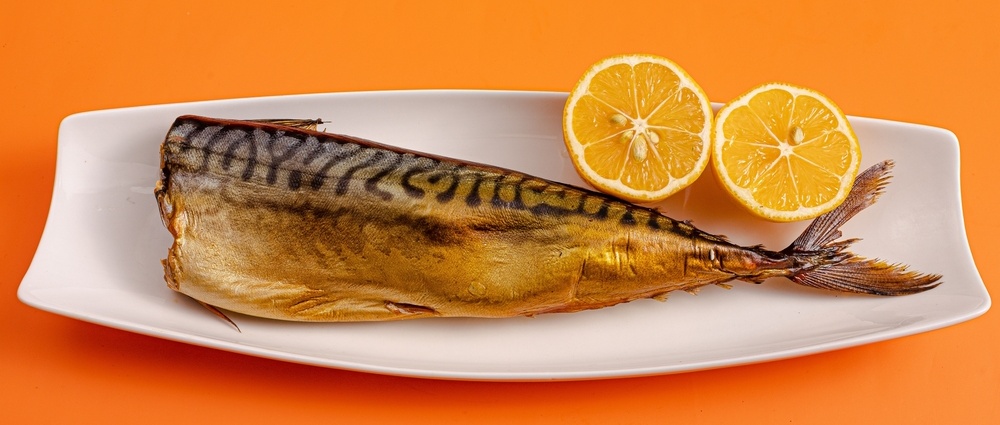
Pescatarian diet: pros, cons, and what you can eat
Peer reviewed by Dr Colin Tidy, MRCGPLast updated by Lynn StephenLast updated 16 Jun 2026
Meets Patient’s editorial guidelines
- DownloadDownload
- Share
- Language
- Discussion
- Audio Version
- Add to preferred sources on Google
The pescatarian diet continues to grow in popularity. Here we look at what you can and can't eat, what are the health benefits, and if there are any potential issues.
What is a pescatarian?
There are different types and levels of vegetarianism and veganism. For example, semi-vegetarianism - also known as being flexitarian - involves following a mostly vegetarian diet that's occasionally supplemented with any type of meat.
The pescatarian diet is neither fully nor semi vegetarian.
A vegetarian avoids eating all animal meats:
Red meat - meat from livestock animals such as cows, pigs, and lambs.
Poultry, or white meat - from birds such as chickens, turkeys, and ducks.
Seafood - from aquatic life such as all fish, crustaceans - such as lobster and crab - and molluscs - for example, scallops and mussels.
A pescatarian eats a vegetarian diet with the addition of fish and other seafood but no other types of meat.
As a pescatarian, exactly how much fish you eat is completely down to you, as there is no limitation. Some pescatarians also eat non-meat animal products - such as eggs and dairy products - while others choose not to.
What do pescatarians eat?
Pescatarians can consume all products containing types of fish and other seafood.
These include:
Salmon.
Tuna.
Cod.
Prawns.
Scallops.
Crab.
Lobster.
Squid.
For a balanced diet, you should also eat a range of vegetarian foods.
These include:
Fruit and vegetables.
Whole grains and cereals - such as rice, bulgur wheat, and oats.
Legumes - such as all types of beans and peas.
Nuts and seeds - for example, flaxseeds and chia seeds.
Eggs and dairy, if lacto-ovo-vegetarian - such as eggs, cheese, and milk.
Why do people become pescatarian?
There are many possible reasons for becoming a pescatarian.
Here are some of the most common:
Ethical motivations - some people are against killing animals for food. While fish are also living creatures, transitioning from a meat and plant-based (omnivore) diet to a pescatarian diet is more manageable for some meat lovers and still limits animal consumption. Also, the conditions in which many land animals (livestock) are raised for slaughter are often seen as poor and inhumane.
Environmental concerns - raising livestock also comes with an environmental cost. The United Nations (UN) estimates it is responsible for 15% of all man-made carbon emissions making a sizeable contribution to the global warming crisis. Following a pescatarian diet is thought to cause fewer greenhouse gas emissions than those who eat meat every day.
Health benefits - limiting your meat intake is associated with a lower chance of several health issues, including obesity, type 2 diabetes, and heart disease.
What are the health benefits?
According to Clare Thornton-Wood, registered dietitian and British Dietetic Association (BDA) member, a balanced pescatarian diet has many health benefits.
She says: "A pescatarian diet typically includes lots of lean protein in the form of white fish, and plenty of omega-3 fatty acids from oily fish such as salmon, mackerel, fresh tuna, and sardines."
She says the key benefits are:
Omega-3 fatty acids - 'healthy fats' that help keep your heart, blood vessels, lungs, and immune system healthy.
Protein - a nutrient needed for many important functions, including the growth and repair of cells, muscle health, bone health, hormone regulation, and digestive health.
"Coupled with whole-grain cereals, nuts, fruit, vegetables, and small amounts of dairy, this forms the basis of the Mediterranean diet which is widely recognised as one of the healthiest lifestyle diets," adds Thornton-Wood.
Following the pescatarian diet as part of wider healthy eating may help to prevent several health issues, including:
Downsides of a pescatarian diet
Ensure your diet is varied and balanced
"There aren't really any drawbacks of a pescatarian diet, as long as you eat a variety of foods," says Thornton-Wood.
As with all diets, it's all about making sure you're getting enough of the nutrients and minerals you need. For example, red meat is high in iron, so as this is omitted from the pescatarian diet, Thornton-Wood recommends alternative sources of iron.
For example:
Eggs.
Green leafy vegetables.
Molasses - add to smoothies.
Fortified breakfast cereals.
"If you also exclude eggs and dairy, then getting adequate amounts of calcium, zinc, vitamin B12, and iodine can also sometimes be difficult," she says. "Good food choices include fortified plant milks."
Mercury poisoning
The small amount of the toxin mercury found in oily fish is usually harmless - you would need to eat a lot to be at risk of mercury toxicity. But it's worth knowing, particularly if you are pregnant, breastfeeding, or planning to conceive.
"The NHS advises that if you are pregnant, breastfeeding, or planning to conceive you should eat no more than two portions of oily fish per week as too much could be harmful to a developing or new-born baby," Thornton-Wood cautions.
She explains that sea bream, bass, turbot, halibut, and rock salmon also need to be limited as they are higher in mercury than white fish. Shark, swordfish, and marlin contain much higher quantities and should be completely avoided by this group, while the rest of the population should limit intake to one portion per week.
Do pescatarians need supplements?
"Usually, if you are eating a balanced diet that includes a variety of foods from all food groups excluding red meat and poultry, then you won't need supplements," advises Thornton-Wood.
How to become a pescatarian
Thornton-Wood's starter tips:
Start gradually if you find this easier, replacing one meat meal at a time with a fish or plant-based one.
Consider other plant-based sources of protein - such as lentils and pulses - and don't wholly rely on fish for protein. Where possible, aim for a couple of different sources each day.
Eat a variety of fish and seafood and aim to get these from sustainable sources.
Try to keep your intake of processed foods to a minimum. People often swap meat products for processed meat substitutes, which are frequently high in salt and saturated fat.
Patient picks for Diet
Diet and nutrition
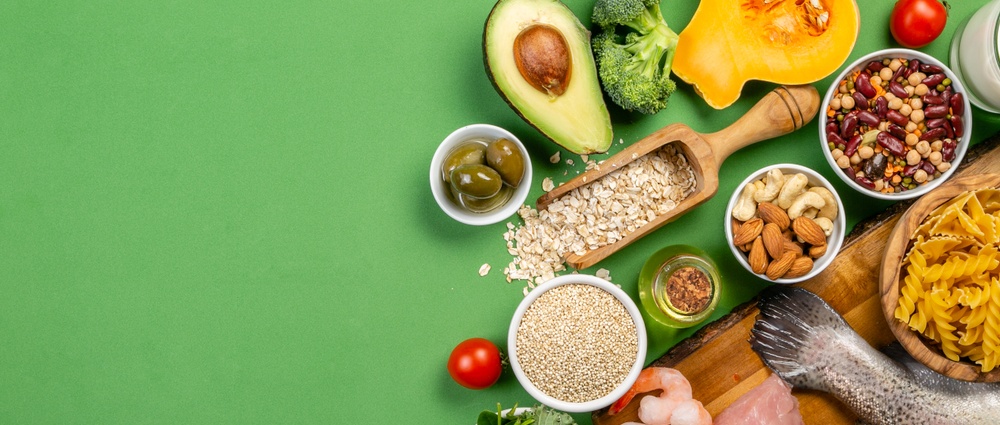
Simple ways to follow a Mediterranean diet
A Mediterranean diet conjures up an image of fresh fish and colourful salads doused in olive oil, washed down with a glass of red wine - all while sitting in the sun of course. While we may not have reliable sunshine in the UK, we can certainly tap into the wide-ranging health benefits offered by the Mediterranean diet.
by Lynn Stephen
Diet and nutrition
Could your diet be your best anti-ageing secret?
When we think about anti-ageing, our attention often turns to outward signs - fewer wrinkles, a trimmer figure, and hair less touched by grey. However, by prioritising what's happening inside our bodies, we can live a longer, healthier life, both inside and out.
by Victoria Raw
About the authorView full bio

Amberley Davis
Senior writer
BA (Hons), CPD
Amberley is a senior writer with Patient and has written extensively on a range of health and wellbeing topics.
About the reviewerView full bio

Dr Colin Tidy, MRCGP
General Practitioner, Medical Author
MBBS, MRCGP, MRCP (Paediatrics), DCH
Dr Colin Tidy is an NHS Doctor, based in Oxfordshire.
Article history
Article also available in English, German, Spanish, French, Italian, Portuguese, Hindi, Hebrew, Arabic, and Swedish.
Next review due: 17 Jun 2029
16 Jun 2026 | Latest version
2 Sept 2022 | Originally published
Authored by:
Amberley Davis
Join the conversation
Share your thoughts or experiences with others in our patient communities.

Ask, share, connect.
Browse discussions, ask questions, and share experiences across hundreds of health topics.

Feeling unwell?
Assess your symptoms online for free
Sign up to the Patient newsletter
Your weekly dose of clear, trustworthy health advice - written to help you feel informed, confident and in control.
By subscribing you accept our Privacy Policy. You can unsubscribe at any time. We never sell your data.
More in diet and nutrition
- 5 healthy Halloween treats
- 10 everyday foods high in vitamin D
- Can a plant-based diet improve your migraines?
- Can the MIND diet help keep our brains healthy?
- Do gummy vitamins work?
- Does my diet really affect my immune system?
- Gallstones diet: foods to eat and avoid
- How diet can reduce your risk of stroke and heart attack
- How to choose healthy snacks for you and your kids
- How to eat a calcium-rich vegetarian diet
- How to keep your child eating healthily at secondary school
- How to make healthy mince pies
- How to make healthy stuffing
- IBS diet: foods to eat and avoid
- Is turmeric good for you?
- Sticking to a plant-based diet lowers type 2 diabetes risk
- What are the dangers of a detox diet?
- What is the best diet for Crohn's disease?
- Which pregnancy vitamins do I really need?
- Will a gluten-free diet help my child's eczema?