Vitamin C: benefits, sources, and deficiency
Peer reviewed by Dr Colin Tidy, MRCGPLast updated by Lynn StephenLast updated 3 Aug 2026
Meets Patient’s editorial guidelines
- DownloadDownload
- Share
- Language
- Discussion
- Audio Version
- Add to preferred sources on Google
Most of us know vitamin C is good for us, but do you know all the ways that this essential nutrient benefits your health? Here you can find out how easy it is to get enough vitamin C, as well as what happens when you consume too little and too much.
What is vitamin C?
Vitamin C, also called L-ascorbic acid, is an essential nutrient we all need for good health. This vitamin supports many important functions in our bodies and helps to maintain our blood vessels, bones, and skin.
Benefits of vitamin C
As vitamin C plays a role in the health and maintenance of so many organs and systems inside us, the list of vitamin C benefits is an extensive one. Here are some of the most important rewards you can get from consuming enough of this super vitamin.
Protection against disease and illness
Vitamin C may protect against certain illnesses and long-term diseases in several ways:
It's an antioxidant that helps to fight inflammation and widens your blood vessels - this can reduce your chance of associated diseases such as high blood pressure.
It protects against free radicals - these are harmful molecules in your body that can damage cells. Free radicals have a role to play in the development of conditions such as cancer and heart disease.
It boosts your immune system - helping your body to fight a range of illnesses.
Wound healing
Vitamin C is used by our bodies to produce collagen - an important structural protein in our skin, muscles, and bones. One of the ways in which collagen keeps us healthy is by promoting wound healing, helping to mend injuries that break the skin, and other body tissues while protecting us from infection.
Strong and healthy skin and bones
Vitamin C benefits also include the general health and strength of our skin and bones. In the skin, its antioxidant properties and role in collagen production helps protect against skin ageing and other skin complaints - this is why you'll find vitamin C in many skincare products. As an anti-inflammatory, this vitamin can also help to prevent inflammatory arthritis and may support people with osteoarthritis.
Iron absorption
This nutrient helps our bodies absorb another vital nutrient - iron. We need iron for growth and development, and when we don't absorb enough we may experience weakness, fatigue, and issues with memory and concentration. This health issue is called iron-deficiency and it can lead to long-term complications if left untreated.
Good sources of vitamin C
We get the vitamin C we need through the food we eat. It's a water-soluble vitamin, meaning that once inside us it dissolves in water and is delivered straight to our body's tissues, but we are unable to store it. For this reason, we need to consume foods with vitamin C content every day in order to stay healthy.
For the best sources of vitamin C, turn to fruit and vegetables.
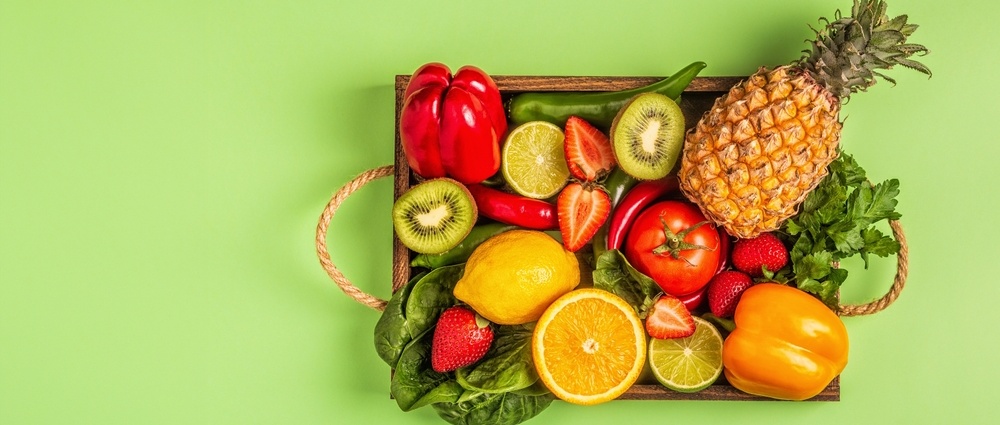
According to Reema Pillai, dietitian at Dietitian Fit & Co, the following common citrus fruits contain a high dose of vitamin C:
Lemons.
Limes.
Oranges.
Kiwi.
Grapefruit.
She adds that other good sources include:
Peppers.
Tomatoes.
Berries.
Potatoes.
Brussels sprouts.
You can also take daily vitamin C supplements to bolster your vitamin C levels. However, remember that a dietary supplement is only good for you when taken in addition to - and not instead of - a healthy, nutrient-rich diet.
How much vitamin C per day?
Pillai explains that adults need 40 milligrams of vitamin C per day.
"This is usually easy to get through your diet," she says. "For example, one medium orange has around 70-80 milligrams of vitamin C and two kiwis provide more than 130 milligrams of vitamin C."
However, certain people are more likely to not get enough vitamin C through food alone. This makes them more vulnerable to the health issues associated with vitamin C deficiency.
Vitamin C deficiency
Not getting enough vitamin C persistently - usually over a period of three months or more - is known as vitamin C deficiency.
The following groups have a higher likelihood of this condition:
People with a dependency on alcohol or other drugs who may also have a poor diet.
People on very restrictive diets.
People who smoke regularly.
People with a medical condition that inhibits healthy digestion and absorption of food - such as Crohn's disease.
Older people who eat a less varied diet.
Pregnant and breastfeeding women as they need higher doses of vitamin C.
Vitamin C deficiency can lead to scurvy, although Pillai adds that the likelihood of developing scurvy in the UK is very low.
She describes the common symptoms of scurvy:
Sore joints.
Delayed wound healing or easy bruising.
Low mood.
Can you have too much vitamin C?
Just as it's possible to not get enough vitamin C, you can also consume too much - although this isn't an easy thing to achieve through food alone. Large doses of vitamin C - that exceed 1000 milligrams a day - are most likely the result of taking too many vitamin C supplements. If supplementing, make sure you're not taking more than 75 milligrams a day for a women and more than 90 milligrams a day for a man.
Too much vitamin C can lead to side effects such as diarrhoea and stomach pain. While uncomfortable and inconvenient, these symptoms tend to be temporary, disappearing once supplementation in large doses is stopped.
Patient picks for Vitamins and supplements
Diet and nutrition
What are the benefits of vitamin A?
Our bodies need certain nutrients to perform day-to-day functions and without them you may start to see some health problems. One of those nutrients is vitamin A. What are the vitamin A benefits, where does it come from, and do you need to take supplements to get the right amount?
by Andrea Downey
Diet and nutrition
What are the benefits of vitamin E?
Vitamin E is a well-loved ingredient in any skincare routine. But it's also vital for your health and how your body functions. Find out why and how to get enough vitamin E here.
by Victoria Raw
About the authorView full bio

Amberley Davis
Senior writer
BA (Hons), CPD
Amberley is a senior writer with Patient and has written extensively on a range of health and wellbeing topics.
About the reviewerView full bio

Dr Colin Tidy, MRCGP
General Practitioner, Medical Author
MBBS, MRCGP, MRCP (Paediatrics), DCH
Dr Colin Tidy is an NHS Doctor, based in Oxfordshire.
Article history
The information on this page is peer reviewed by qualified clinicians.
Article also available in English, German, Spanish, French, Italian, Portuguese, Hindi, Hebrew, Arabic, and Swedish.
Next review due: 3 Aug 2029
3 Aug 2026 | Latest version
17 Nov 2022 | Originally published
Authored by:
Amberley Davis
Join the conversation
Share your thoughts or experiences with others in our patient communities.

Ask, share, connect.
Browse discussions, ask questions, and share experiences across hundreds of health topics.

Feeling unwell?
Assess your symptoms online for free
Sign up to the Patient newsletter
Your weekly dose of clear, trustworthy health advice - written to help you feel informed, confident and in control.
By subscribing you accept our Privacy Policy. You can unsubscribe at any time. We never sell your data.
More in diet and nutrition
- 5 quick and healthy meals for students
- 8 benefits of matcha tea
- Are artificial sweeteners really that bad for us?
- Changing your dietary habits after a type 2 diabetes diagnosis
- Coffee and lemon: fact-checking the TikTok trend
- Do ZMA supplements really work?
- Does aloe vera juice really help with gut health?
- How to make healthy roast potatoes
- How to make small healthy changes to your diet without dieting
- How your gut affects your overall health
- Kimchi and sauerkraut: What are the benefits of eating fermented foods?
- Vitamin D could cut risk of dying from cancer
- What are the benefits of vitamin A?
- What is inflammation and which foods reduce it?
- What is the Nordic diet?
- What is the planetary health diet?
- What is the Whole30 diet?
- What's the healthiest high street Christmas sandwich?
- Why dessert stomach may actually be real
- Why too much sugar is bad for children