What is the anti-inflammatory diet?
Peer reviewed by Dr Krishna Vakharia, MRCGPLast updated by Victoria RawLast updated 8 Apr 2025
Meets Patient’s editorial guidelines
- DownloadDownload
- Share
- Language
- Discussion
- Audio Version
- Add to preferred sources on Google
Typical western diets are thought to increase inflammation - where your immune system reacts and causes internal swelling throughout your body. As long-term inflammation can become harmful, anti-inflammatory diets are thought to protect us from a wide range of health problems.
What is the anti-inflammatory diet?
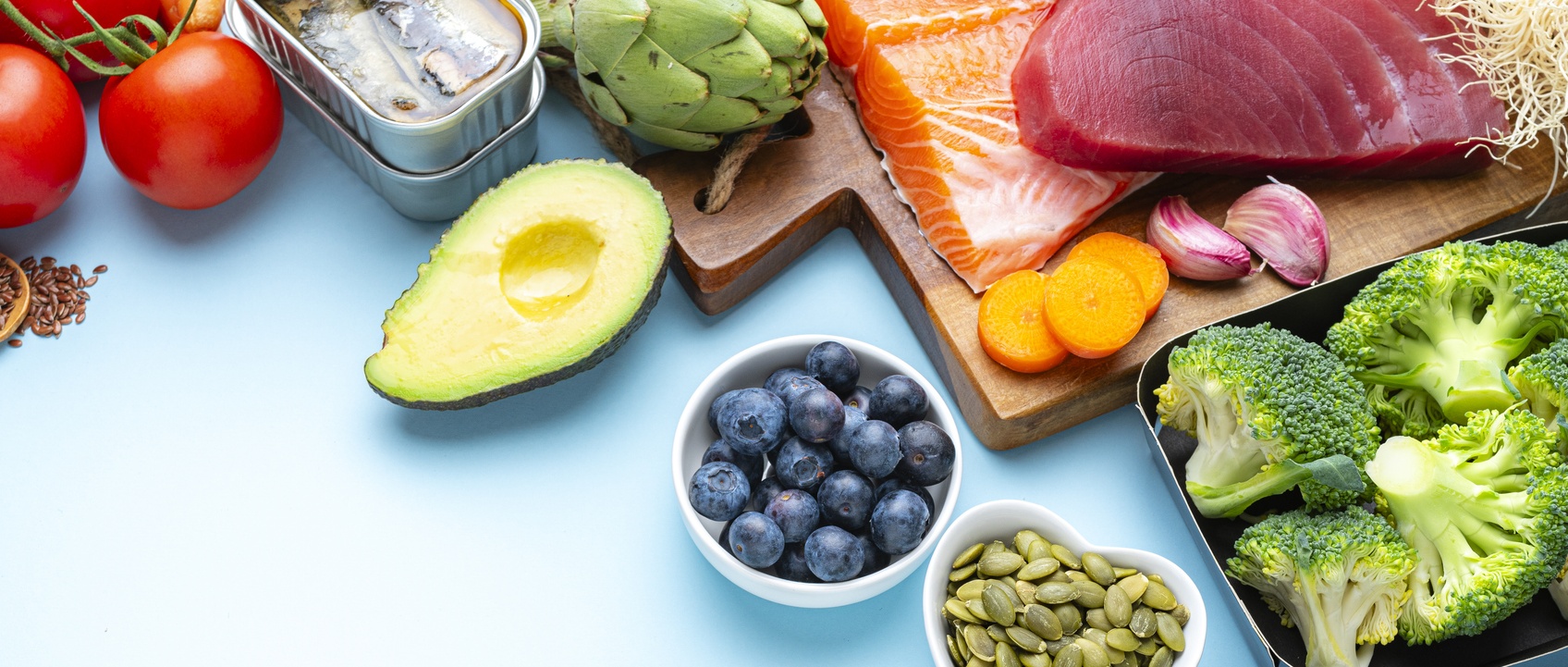
An anti-inflammatory diet, used as a remedy to fight inflammation in the body, has no strict plan for calories, portion sizes, or even recipes to follow. It's more of a general emphasis on eating a variety of anti-inflammatory foods, found in fruits, vegetables, unrefined whole grains, oily fish, unsaturated fats, spices, tea, coffee, and dark chocolate.
It also involves limiting other foods that promote inflammation, including fried foods, sugary treats and drinks, saturated fats, and excessive amounts of alcohol.
Inflammation has become somewhat of a bad word in the world of health, but in truth it's a healthy immune system response we all need at certain times. For example, it's inflammation that causes us to sneeze or cough allergens and viruses out the body when we're unwell. It also causes pain and swelling where we've been injured, telling us to be gentle with this area.
Yet, this helpful level of inflammation should subside when you heal. When it doesn't, the blood rushing and swelling inside your body starts to damage cells and cause problems.
This long-term inflammation (metaflammation) can lead to serious conditions.
These include:
Most likely to have harmful inflammation
Inflammation can be symptomless until it causes problems, so people who follow an anti-inflammatory diet tend to do so as a precaution and part of a healthy lifestyle. You do have a higher chance of harmful inflammation if you:
Follow a Western diet - this generally refers to diets that contain ultra-processed, high-fat, and sugary foods. It also encompasses other health issues linked to many Western countries like the UK, such as long-term stress and exposure to air pollution, both of which damage cells.
Have an autoimmune disorder - an immune system that doesn't function properly can cause long-term inflammation, as seen in type 1 diabetes, lupus, and rheumatoid arthritis.
Diets that showcase anti-inflammatory foods
The anti-inflammatory diet is more of a guide than a meal plan, but if you prefer more structure and rules there are several popular diets that rely on many anti-inflammatory foods. This includes the heart-healthy DASH diet, the long-life promoting Mediterranean diet, and the MIND diet, which combines these other diets to support brain health.
Why are anti-inflammatory foods good for us?
Anti-inflammatory foods contain natural compounds that fight inflammation. Molecules called antioxidants, plant chemicals like flavonoids, and fibre can protect you against free radicals. These are unstable atoms caused by inflammation that crash into and damage cells, accelerating ageing and causing illness.
These compounds can also help stop your immune system from signalling inflammation to start, as well as prevent rises in blood sugar.
Emerging evidence also suggests that these compounds may help prevent a condition called metabolic endotoxemia, a type of long-term inflammation. They do this by supporting the growth of various beneficial bacteria in your gut.
Best anti-inflammatory foods
To follow an anti-inflammatory diet, you should try to eat a variety of anti-inflammatory foods, rather than focussing on one or two specific foods. This gives you a wider range of protective compounds, some of which work best together.
Examples include:
Fruits - such as blueberries, strawberries, cherries, and oranges.
Leafy green vegetables - such as kale, spinach, and collards.
Other vegetables - such as avocado, carrots, and tomatoes.
Nuts - such as almonds, walnuts, and cashews.
Oily fish - such as salmon, tuna, and sardines.
Legumes - such as beans, chickpeas, and lentils.
High-fibre whole grains - such as brown rice, bulgur, and whole grain bread.
Olive oil - a healthy unsaturated fat alternative to butter and other cooking oils.
Dark chocolate - made of at least 70% cocoa solids.
Green tea - including matcha tea.
Foods that cause inflammation
The typical Western diet includes processed meats, fast foods, food additives, and refined sugar, and is often lacking in fibre, vitamins, and minerals. This can lead to weight gain and affect our metabolism in a way that damages the immune system, causing inflammation.
Excess fat tissue can send signals to immune cells to produce inflammation. Eating saturated fats also raises cholesterol, which increases cell damage by free radicals.
Examples include:
Processed carbs - such as white bread, pastries, and biscuits.
Fried foods - such as chips, battered foods, and doughnuts.
Processed red meats - such as burgers, sausages, and bacon.
Saturated fats - such as margarine, butter, and cream.
Sugary drinks - such as juice, fizzy drinks, and sweet cocktails.
Excessive alcohol - such as beer and spirits.
Patient picks for Diet

Diet and nutrition
A hybrid approach to eating: your guide to the pegan diet
We’re all familiar with hybrid concepts - whether it’s working, cars, or even plants. But have you heard of hybrid eating? The pegan diet is a fusion of two popular approaches - vegan and Paleolithic (Paleo) - that brings together the best of both worlds. This nutrient-rich eating style is quickly gaining traction, so let’s look at what it's all about and how it could benefit your health.
by Victoria Raw
Diet and nutrition
What is a low-carb diet and is it healthy?
When it comes to healthy eating, every food group is important. This includes carbohydrates, the high-energy food group that fuels everything we do, from breathing to running. However, as foods rich in carbohydrates provide a lot of energy, low-carb diets have been adopted by people wishing to achieve significant weight loss.
by Heather Ainsworth
About the authorView full bio

Amberley Davis
Senior writer
BA (Hons), CPD
Amberley is a senior writer with Patient and has written extensively on a range of health and wellbeing topics.
About the reviewerView full bio

Dr Krishna Vakharia, MRCGP
Chief Medical Officer for Health, Optum UK
MBChB, MRCGP(2013), BMedSci (hons), DFSRH, DRCOG, PGDipDerm (Distn)
Dr Krishna Vakharia is an NHS GP. She is also a regular examiner for the postgraduate Diploma in Practical Dermatology at Cardiff University as well as being the Chief Medical Officer for health at Optum UK.
Article history
The information on this page is peer reviewed by qualified clinicians.
Article also available in English, German, Spanish, French, Italian, Portuguese, Hindi, Hebrew, Arabic, and Swedish.
Next review due: 10 Apr 2028
8 Apr 2025 | Latest version
2 Nov 2023 | Originally published
Authored by:
Amberley Davis
Join the conversation
Share your thoughts or experiences with others in our patient communities.

Ask, share, connect.
Browse discussions, ask questions, and share experiences across hundreds of health topics.

Feeling unwell?
Assess your symptoms online for free
Sign up to the Patient newsletter
Your weekly dose of clear, trustworthy health advice - written to help you feel informed, confident and in control.
By subscribing you accept our Privacy Policy. You can unsubscribe at any time. We never sell your data.
More in diet and nutrition
- 5 high-protein vegetarian meals to keep your strength up
- Can psychology diet apps help you eat more mindfully?
- Do New Year's diets actually work?
- Does eating spicy food help you lose weight?
- Health benefits of garlic
- How much meat should we be eating?
- How to fast safely during Ramadan
- How to stop your sugar cravings
- Is drinking olive oil good for you?
- Is mushroom coffee really good for you?
- Kimchi and sauerkraut: What are the benefits of eating fermented foods?
- What are the benefits of vitamin E?
- What are the health benefits of spicy food?
- What are ultra processed foods and do they cause cancer?
- What is choline? The nutrient for your memory, muscles and more
- What is creatine? Benefits, uses and risks
- What is fibremaxxing - and how healthy is it really?
- What is The Fast 800 diet?
- What you need to know about unhealthy foods
- Why ultra-processed foods are so addictive - and how to cut down