
Clinical trials - helping to keep your medicines safe.
Peer reviewed by Dr Krishna Vakharia, MRCGPLast updated by Victoria RawLast updated 23 Oct 2024
Meets Patient’s editorial guidelines
- DownloadDownload
- Share
- Language
- Discussion
- Audio Version
- Add to preferred sources on Google
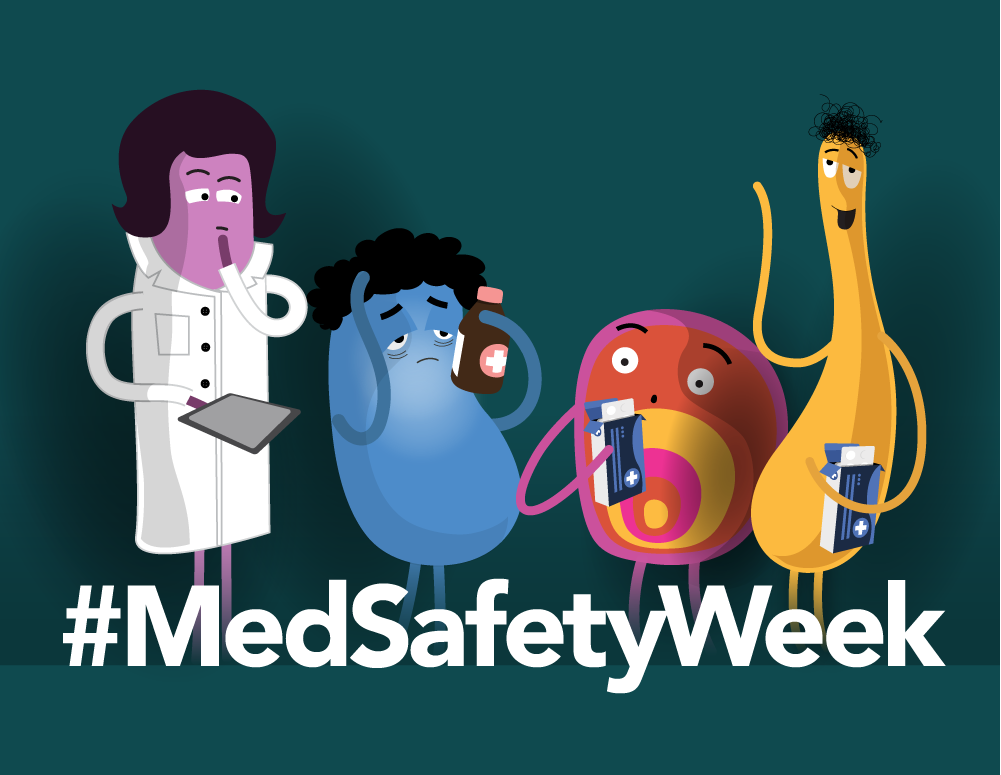
#MedSafetyWeek, promotes the Yellow Card scheme where you can report any suspected side effects from your medicine or health device. But, thanks to all the hard work that goes on before any medicines or devices come to the market, it is not something you will hopefully have to do very often.
All new drugs and jabs have to be thoroughly tested before they are allowed to be prescribed, which requires people to take part in clinical trials. Scientists go to great lengths to ensure these trials are safe.
How do researchers ensure clinical trials are safe?
Any drug, vaccine, or medical device has to go through many stages of testing in laboratories before it can begin to be trialled on people.
All trials are strictly monitored to make sure that everyone involved is protected. Each trial also has a sponsor who is responsible for running the trial. This may be the organisation funding it, a hospital, or a university.
Protocol
First, researchers develop a protocol, which is essentially a detailed plan for the trial. Everyone involved in the trial must stick to the protocol, which helps to keep the participants safe.
The protocol outlines the purpose of the study, the goals, how many volunteers are needed, the medications or methods involved, how long the trial will last, and the type of information the researchers will collect.
#MedSafetyWeek
Trial monitoring
Before a clinical trial of a new treatment can begin, a government agency called the Medicines and Healthcare products Regulatory Agency (MHRA) needs to review and authorise it.
Another group called the Health Research Authority (HRA) also works to protect and promote the interests of patients and the public in health research. It's responsible for research ethics committees, which are independent groups that make sure a clinical trial is ethical, legal, well-designed and - most importantly - safe.
All medical research involving people in the UK has to be approved by an independent research ethics committee.
These groups make sure that medical trials don't involve any unnecessary risk and include a safety plan.
Informed consent
Researchers must also get informed consent from people participating in clinical trials. That means they must make people aware of the details of a trial. This includes interventions or procedures, the research plan and possible risks or side effects.
Before giving your consent, you’ll be given a patient information sheet, which has detailed information about the trial to help you decide whether you want to take part. You can also keep this to refer to during the trial. It's your choice whether you want to be in a trial and you can change your mind at any time.
Confidentiality
There are also strict confidentiality rules about who can and can’t see your personal information. Only the clinical and research teams who need to access your records will do so.
What are the risks of clinical trials?
All medicines, vaccines and treatments can have side effects - including those that have been approved. All new treatments carry some risks, but researchers work to minimise these risks during clinical trials.
The risks posed to volunteers in clinical trials depend on what is being tested. For example, someone taking part in a drug trial may face side effects, while other trials may come with minimal risks. Researchers carry out risk assessments so they know what might happen during a trial and how to manage any issues.
However, the benefits of a trial may outweigh the risk. Taking part in a trial may give you access to new drugs - and it can be satisfying to know that you’re contributing to research.
Are some clinical trial phases safer than others?
Clinical trials testing new treatments are placed into different stages called phases. The earliest phase trials - phase 0 or I - may look at whether a drug is safe or the side effects it causes. Later phases - II or III - trials aim to test whether a new treatment is better than existing treatments.
Each phase carries its own risk. Scientists may know less about the treatment in the earlier phases because it has been studied less. However, scientists will have examined the treatment thoroughly in laboratory research before any trials in humans begin.
Click here for more information about #MedSafetyWeek and the Yellow Card Scheme for reporting any suspected side effects from your medicines. It’s easy to report using the Yellow Card scheme website, or using the free app. You can search for MHRA Yellow Card in the Google Play or Apple App Store.
Patient picks for GP surgery and NHS services

General health and lifestyle
Physician associates in the NHS: understanding the role, the debate, and your rights as a patient
If you’ve booked a GP appointment or attended a hospital clinic recently, you may have found yourself sitting across from someone who introduces themselves as a 'physician associate'. For some patients, this is a familiar part of modern NHS care. For others, it can feel unexpected particularly if the assumption was that they would be seeing a doctor. Understanding what physician associates do, how they are trained, and what this means for your care can help you feel more confident navigating appointments and asking the right questions.
by Thomas Andrew Porteus, MBCS

General health and lifestyle
Neighbourhood health: What the NHS changes could mean for your care
For years, one of the most common frustrations patients have shared is how fragmented healthcare can feel. You tell your story to one professional, then repeat it again somewhere else. You travel for appointments that feel like they could have happened closer to home. Too often, care only steps in once something has already gone wrong. The latest plans from NHS England are an attempt to change that pattern. They do not introduce a single new service or a quick fix. Instead, they outline a different way of organising care, one that is more local, more connected, and more focused on keeping you well.
by Thomas Andrew Porteus, MBCS
About the authorView full bio

Lydia Smith
Feature writer
BA, MA, MSc
Lydia Smith is an award-winning journalist and feature writer who has written extensively on women's health and mental health. She is currently studying for an MSc in psychology.
About the reviewerView full bio

Dr Krishna Vakharia, MRCGP
Chief Medical Officer for Health, Optum UK
MBChB, MRCGP(2013), BMedSci (hons), DFSRH, DRCOG, PGDipDerm (Distn)
Dr Krishna Vakharia is an NHS GP. She is also a regular examiner for the postgraduate Diploma in Practical Dermatology at Cardiff University as well as being the Chief Medical Officer for health at Optum UK.
Article history
The information on this page is peer reviewed by qualified clinicians.
Article also available in English, German, Spanish, French, Italian, Portuguese, Hindi, Hebrew, Arabic, and Swedish.
Next review due: 23 Oct 2025
23 Oct 2024 | Latest version
5 May 2023 | Originally published
Authored by:
Lydia Smith
Join the conversation
Share your thoughts or experiences with others in our patient communities.

Ask, share, connect.
Browse discussions, ask questions, and share experiences across hundreds of health topics.

Feeling unwell?
Assess your symptoms online for free
Sign up to the Patient newsletter
Your weekly dose of clear, trustworthy health advice - written to help you feel informed, confident and in control.
By subscribing you accept our Privacy Policy. You can unsubscribe at any time. We never sell your data.
More in general health and lifestyle
- Air pollution linked to mental health problems
- Air pollution speeds up ageing in the lungs
- Calculating absolute risk and relative risk
- Health problems you don't need to see your doctor about
- How do you prevent altitude sickness?
- How to beat the end-of-summer blues
- How to get the most out of your GP appointment
- How to keep your baby safe and warm in winter
- How to stop dry skin ruining your winter
- Is there an LGBTQ+ health gap?
- NHS opens walk-in clinics for FGM survivors
- Offering HPV jab to boys will help prevent over 100,000 cancers
- Patient's Christmas Cook Off
- Should HIV prevention pills be available on the NHS?
- Symptoms you need to stop hiding from your doctor
- What does a women's health physiotherapist do?
- Why are men less likely to wear sun cream?
- Winter foot care mistakes to avoid
- Winter wellness tips: how to cope with SAD
- Working with food when you have an eating disorder