How has working from home affected our mental health?
Peer reviewed by Dr Sarah JarvisAuthored by Emily Jane BashforthOriginally published 21 Dec 2021
Meets Patient’s editorial guidelines
- DownloadDownload
- Share
- Language
- Discussion
- Audio Version
- Add to preferred sources on Google
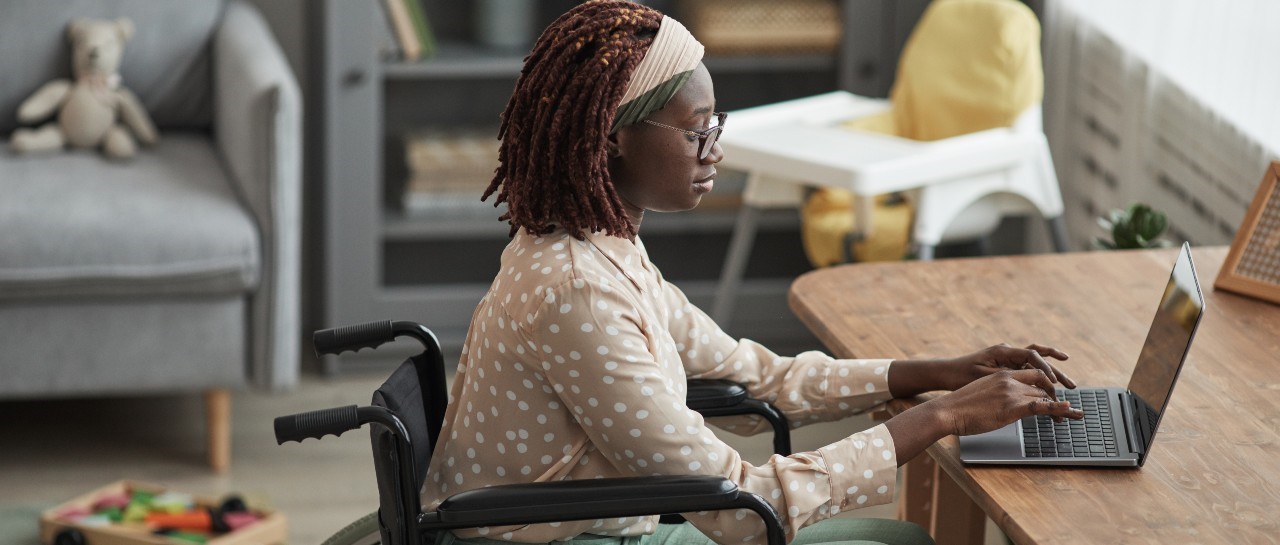
There was a time when working from home simply wasn't an option for many of us. However, the past 18 months have represented a huge shift in the way businesses operate. As a result, many of us now find ourselves in a world of hybrid and flexible working. But what has working from home done to our mental health?
Mental health support for adults and children
Online CBT and psychological therapy for adults and children aged 8–17. Onebright’s accredited clinicians support people experiencing anxiety, depression and other emotional challenges.
Working from home and mental health
This transition to home working has been hailed as a step forward for health and well-being in the workplace. But it has also ignited a debate on whether working from home or the office is better for employee well-being.
Let's explore both the pros and cons of both remote and office working.
Remote working
Remote working was on the rise before the pandemic, but it was a rarity. Following the introduction of a national lockdown and a work from home order by the government in March 2020, home working became the new normal for huge swathes of the population. Even 18 months into the pandemic, many employees have adopted a hybrid approach and still do not work at the office full-time. A recent poll found that around half of businesses in London are planning to let employees work from home up to five days a week.
While home working isn't suitable for everyone, there are many arguments in its favour. Some of the positives include:
A better work-life balance
Throughout the pandemic, employees have realised how much of their time was being taken up by work, even if they weren't in the office. The morning commute and journey home in the evenings made the working day much longer. By contrast, being home-based and not having to drive or take a long train journey to work every day allows extra time for:
Sleeping and relaxing.
De-stressing and not thinking about work.
Spending time with family.
Taking children to and from school.
Picking up new hobbies.
Being more productive.
The latest ONS survey has shown those who work from home believe their newfound work-life balance has been the best thing to come out of remote working.
Increased productivity
There continue to be conversations around how productive employees truly are while working from home. Before the pandemic hit, many employers had concerns that allowing staff to work at home would reduce productive output. COVID-19 restrictions left businesses with no choice but to put trust in their employees, as roles were adapted to ensure they could be done efficiently from anywhere. Fortunately, this move has allowed business owners to understand the real impact home working can have on productivity, which is largely positive.
There were concerns that employees would be easily distracted while working at home, whether that's by a family member or the television. In contrast, employees say they can be more productive at home without being distracted by office gossip or sidetracked with impromptu meetings.
Statistics from the time period when most people were working at home full-time support this claim. Westfield Health's March 2021 survey showed that 25% of employees felt more productive working from home at this point. An ONS study also found that output per job had increased 9.2% in the first quarter of 2021 compared to the same period last year.
Happier people
Combining a better work-life balance with increased productivity, unsurprisingly, means workers are generally happier now remote working is an option. A February 2021 Microsoft survey found that 56% of homeworkers felt happier when working at home. Calls for working from home to become a permanent option also show how popular it is and how it has wider benefits. These include increased motivation, reduced stress and pressure, lower costs and more accessibility, the latter particularly being the case for workers with disabilities and chronic health conditions.
Does working from home have a downside?
Despite the positives of working from home, it isn't suitable for everyone. It also has its downside when not implemented effectively. Some cons of working from home might be:
It can be easier for employees to overwork unintentionally - an increased risk of overworking also increases the likelihood of work-related stress and, consequently, burnout. It can be so tempting to think, "I’ll just finish this one task," when working from the living room or dining table. It's important that employees have a clear schedule and designated working hours to mitigate this risk.
Increased loneliness without social interaction with colleagues - working from home can sometimes feel isolating, especially if employees had to make the adjustment from a hectic office environment to sitting alone at their desks. Spending so much time working independently and without those casual conversions over tea breaks and lunchtimes can even lead to depression.
Employees can feel as though they aren't a part of a team - the lack of communication with co-workers can create a workplace disconnect. This might impact on jobs since staff aren't always able to speak to someone when they need help quickly, and are forced to wait for someone to communicate information with them.
Struggling to "switch off" at the end of the day without the commute home - the car or train journey home is many people's time to unwind after a busy day. However, establishing a definitive end to the working day can be difficult when someone's office is perhaps only next door to where they sleep at night. Even after closing their laptop, they might still have work-related thoughts rushing around their head, and even feel tempted to log back on later at night.
Lack of space to set up equipment and work efficiently - not everyone has an office at home, or space to set up a desk and chair provided by their company. This can not only negatively impact someone's ability actually to do their job, but also create feelings of being trapped.
Increased costs of running a home office (lights, central heating, water, food, making adaptations for furniture) - when employees are working from an office, they don't have to think about how much it costs for the heating to be on, or to switch a light on. There might also be an office cafeteria. However, while working from home, although workers might be saving on travel, money has to be spent on running their homes for longer.
Anxiety around face-to-face interactions when they occur, as virtual meetings become the norm - when Zoom or Teams meetings become common practice in the workplace, it can be very daunting to face the real world again when a social event occurs. Frequently communicating via emails and calls rather than face-to-face interactions can affect people's social skills and create feelings of anxiety when they then have to leave the house.
Technical difficulties - on a practical level, working from home can present challenges with technology, as workers must rely on their own internet connections to be able to do their jobs, and there is no office technician to call over when problems arise.
The personal approach - while the pandemic has proved that in-person meetings aren't critical to the success of a business, they do sometimes make discussions easier. If an employee wants to discuss a sensitive matter with their boss, virtual meetings can also be ineffective, as they don't feel as personal, resulting in workers not feeling supported.
What are the benefits of office working?
Some people were desperate to get back to the office after 18 months of full-time remote working or brief stints back in the workplace. Office working comes with many positives for employees too, despite not being compatible for everyone.
Closer connections
One of the downsides reported during the pandemic was workers feeling isolated. It can be a real shock to the system to be working independently all of a sudden after being surrounded by colleagues day in, day out. Many people felt less connected to their co-workers and managers, missing the type of camaraderie that is best shared in person and doesn't convey over video.
Over a fifth of respondents to the Westfield Health survey said they felt lonely more often during the pandemic, and that human connection is still important in our jobs.
You can spot struggling employees
One of the most difficult aspects of being separate from colleagues is that employees may not be able to spot issues with their colleagues' well-being. Seeing employees face-to-face means they can spot visual signs of stress more easily, and take them to one side for a quiet chat. Remote employees, meanwhile, might not manifest discernible signs of stress and may not proactively seek help.
When it comes to well-being and performance reviews for employees, in-person catch-ups can offer an engaging, safe environment that cannot be replicated via Teams.
Is remote working or office working better for employee well-being?
So, which is better? Office working or working from home?
There isn't a definitive answer.
Many employees are not demanding either entirely remote working or full-time office working. Rather, various studies over the past two years have highlighted that they overwhelmingly want flexible and hybrid working options. An Ernst & Young (EY) survey found that 9 in 10 employees want flexible working to continue.
Westfield Health says it's shocking then that 31% of businesses aren’t offering any flexible working options to employees.
"Giving employees the option to benefit from the perks of both home working and office-based working is essential. The flexibility is beneficial to their well-being, satisfaction and productivity. Now that employees have had a taste of hybrid working, the EY survey found that over half of employees would quit their job if flexible working wasn't available. It's clear how important flexible working now is to the UK and global workforce."
The debate about whether remote or office working is best has raged for years and was thrown into sharp relief by the pandemic. Westfield Health says the truth is that there's no definitive answer to which is better, since both have their benefits.
"Different styles of working suit different people, and offering employees flexible working that incorporates remote and home working might be the best option. It allows them to reap the benefits of both while remaining satisfied."
Patient picks for Workplace health

General health and lifestyle
What can we learn from Britain's healthiest companies?
Most companies are aware of the links between workplace health and productivity. The logic is clear: if employees are healthy, they will take fewer days off sick, and will work more effectively the rest of the time. This is not to mention the boost in job satisfaction when they feel their employer cares about their well-being.
by Abi Millar

General health and lifestyle
Looking after your mental health when returning to work after maternity leave
Your maternity leave ends and suddenly you've got to juggle parenting, work, and all the trials and tribulations that come with it. It's easy to become overwhelmed and it’s more important than ever to look after yourself. But how can you prioritise your mental health when you feel like you have no time?
by Lawrence Higgins
About the authorView full bio

Emily Jane Bashforth
Feature Writer
NCTJ
Emily is a Feature Writer with Patient, writing articles on a variety of topics relating to health and well-being.
About the reviewerView full bio

Dr Sarah Jarvis
Clinical Consultant
MA (Cantab), BM, BCh (Oxon), DRCOG, FRCGP, MBE
After training in medicine at Cambridge and Oxford, Dr Sarah Jarvis MBE became a GP.
Article history
Article also available in English, German, Spanish, French, Italian, Portuguese, Hindi, Hebrew, Arabic, and Swedish.
21 Dec 2021 | Originally published
Authored by:
Emily Jane BashforthPeer reviewed by
Dr Sarah Jarvis
Join the conversation
Share your thoughts or experiences with others in our patient communities.

Ask, share, connect.
Browse discussions, ask questions, and share experiences across hundreds of health topics.

Feeling unwell?
Assess your symptoms online for free
Sign up to the Patient newsletter
Your weekly dose of clear, trustworthy health advice - written to help you feel informed, confident and in control.
By subscribing you accept our Privacy Policy. You can unsubscribe at any time. We never sell your data.
More in general health and lifestyle
- Air pollution and asthma: how to protect yourself this summer
- Beat the chill: why movement matters for your joints in cold weather
- Book a Pharmacy First online consultation
- Drinking in the sun: a dangerous cocktail
- Handy tips to reduce your food waste
- Here's how to protect a bald head from the sun
- How does climate change affect mental health?
- How to deal with Raynaud's in the winter months
- How to get the most out of your GP appointment
- How to stay warm this winter
- What are the main causes of hospital admissions over Christmas?
- What can we learn from Britain's healthiest companies?
- What health benefits could a four-day working week have?
- What it's like to work in mental health services when you have a mental illness
- What to eat at Christmas if you have type 2 diabetes
- What to expect from your pharmacy consultation
- Why do transgender people struggle to get cervical screening?
- Why it's so important to know your skin type this summer