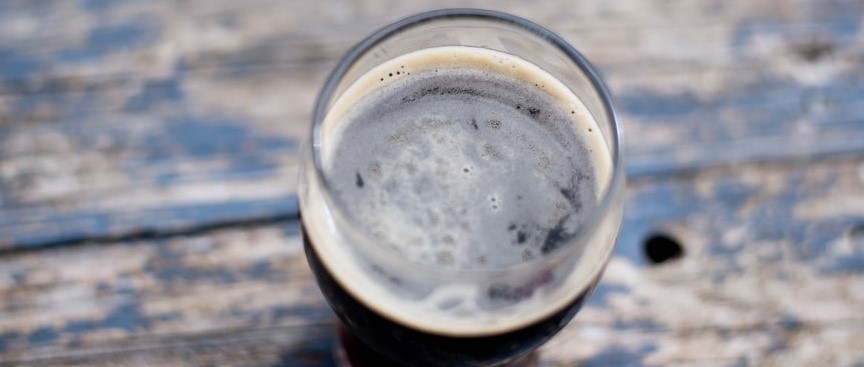
One in five hospital patients have a problem with alcohol
Peer reviewed by Natalie HealeyAuthored by Ashwin BhandariOriginally published 4 Jul 2019
Meets Patient’s editorial guidelines
- DownloadDownload
- Share
- Language
- Discussion
- Audio Version
- Add to preferred sources on Google
One in 10 people admitted to an NHS hospital are addicted to alcohol, new research finds.
The Society for the Study of Addiction (SSA) at King's College London has found that one in five patients admitted to hospital beds are using alcohol in a harmful way; while one in 10 are completely dependent on the substance.
The SSA's review gathered results from 124 previous studies, pulled from the data of 1.6 million hospital inpatients. The patients were from a wide range of departments, including general wards, intensive care units, A&E departments or mental health inpatient units across the country.
Alcohol is the biggest cause of A&E admissions, costing the NHS up to £3.5 billion per year. The problem appears to be more prevalent in mental health inpatient trusts, as addiction and dependency are huge contributing factors for patients with long-term anxiety, schizophrenia, and depression.
Dr Emmert Roberts, a co-author of the review, said that the evidence mounting up is far from anecdotal and doctors are aware that this is a constant problem with inpatients. "Dedicated inpatient alcohol care teams are needed to ensure this widespread problem is being addressed, particularly in the context of diminishing numbers of specialist community alcohol services in the UK."
Dr Richard Piper, CEO Alcohol Change UK said: "As dedicated alcohol treatment services have faced years of swingeing cuts, hospitals are being left to pick up the pieces - but most simply do not have the expertise or capacity to do so, resulting in alcohol problems going untreated and those suffering returning to hospital time and time again."
Currently, the UK is undergoing a major change with increasing minimum alcohol prices to deter consumers from binge drinking.
The research was published in Addiction.
Patient picks for Alcohol advice
Healthy living
What not to say to someone who doesn't drink alcohol
There are a variety of reasons why people don't drink alcohol. Maybe it's a simple lifestyle choice, or they might be trying to overcome an addiction. Whatever the situation, it's important to be respectful, particularly as we enter Christmas and New Year party season. Likewise, if you're struggling with your drink, there are places you can seek help.
by Emily Jane Bashforth

Healthy living
How to drink sensibly over the festive season
Across the UK, offices are gearing up for their Christmas parties, pubs are taking bookings for get-togethers and many are busy organising their social calendar through into next year. For many, festive drinks will be part of the package. But you shouldn't throw all of the health rules out of the window in the name of Christmas.
by Milly Evans
About the authorView full bio

Ashwin Bhandari
Medical Writer
BA Journalism
About the reviewerView full bio

Natalie Healey
Freelance journalist
BSc (Hons) Biomedical Science
She is a London-based health journalist who has been writing about science and medicine for several years. She is the former head of editorial at Patient.
Article history
Article also available in English, German, Spanish, French, Italian, Portuguese, Hindi, Hebrew, Arabic, and Swedish.
4 Jul 2019 | Originally published
Authored by:
Ashwin BhandariPeer reviewed by
Natalie Healey
Join the conversation
Share your thoughts or experiences with others in our patient communities.

Ask, share, connect.
Browse discussions, ask questions, and share experiences across hundreds of health topics.

Feeling unwell?
Assess your symptoms online for free
Sign up to the Patient newsletter
Your weekly dose of clear, trustworthy health advice - written to help you feel informed, confident and in control.
By subscribing you accept our Privacy Policy. You can unsubscribe at any time. We never sell your data.
More in healthy living
- 8 high-protein nuts to boost your strength
- Balancing exercise and your diet
- Do you really need to walk 10,000 steps a day?
- How can you start strength training at home?
- How does Wegovy work for weight loss?
- How long should a power nap be?
- How to fix your sleep schedule with a healthy bedtime routine
- How to sleep better
- How to spot the signs of an exercise addiction
- Is there an LGBTQ+ health gap?
- Is your lifestyle impacting your sex drive?
- Safer than cigarettes? The rise of vaping in schools
- The best mindfulness apps, according to experts
- What are the benefits of strength exercises?
- What are the dangers of drinking in hot weather?
- What is the 6-6-6 walking challenge?
- What to do if your weight is getting you down
- Why losing weight can cause hair loss - and what to do about it
- Why we should be making mental health New Year resolutions
- Why you should take up a creative hobby this year