
Half of smokers would quit if they were paid to do so
Peer reviewed by Natalie HealeyLast updated by Ashwin BhandariLast updated 17 Jul 2019
Meets Patient’s editorial guidelines
- DownloadDownload
- Share
- Language
- Discussion
- Audio Version
- Add to preferred sources on Google
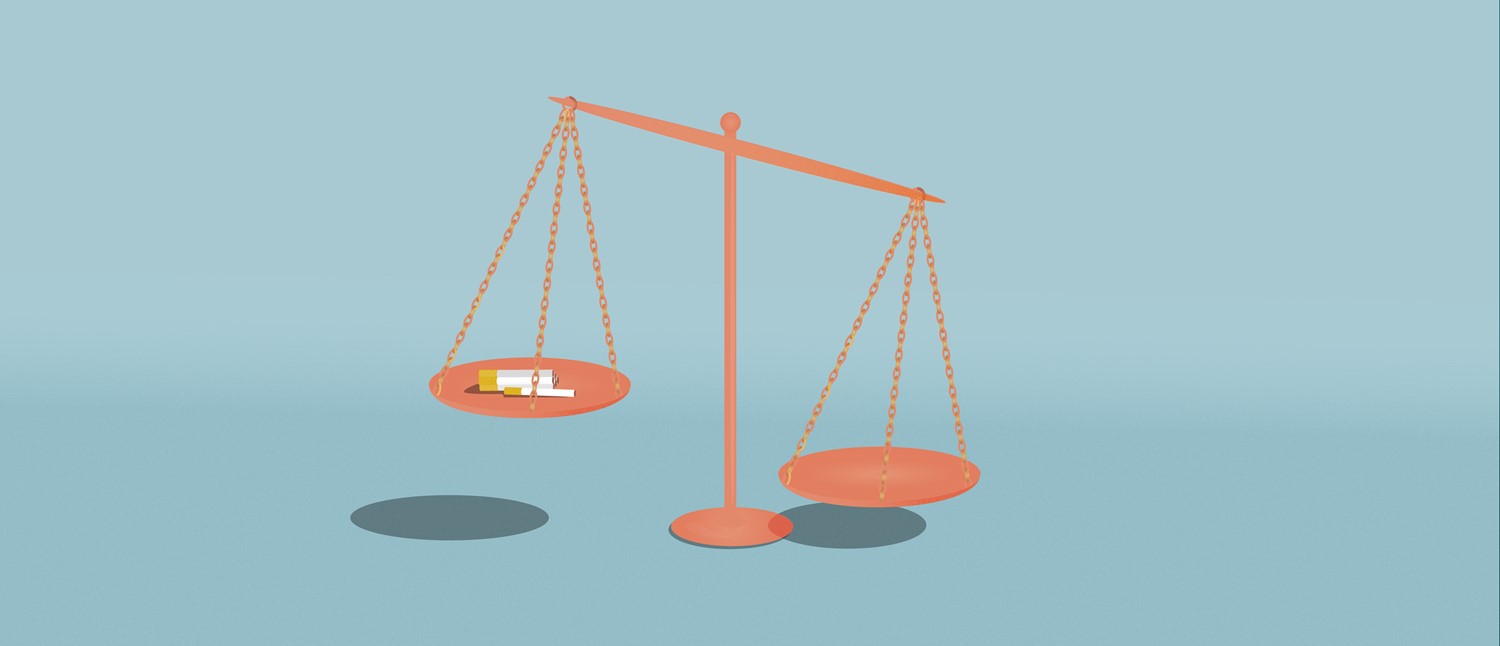
Financial incentives would motivate half of smokers to quit, suggests a study.
Researchers at The University of East Anglia's Medical School suggest that smokers would give up cigarettes in the long term if financial incentives were offered.
The research, published inCochrane Library, looked at data from 33 trials in eight countries. Over 21,000 participants (including pregnant women) trying to give up tobacco were followed. Half of the participants were rewarded with vouchers for quitting and staying smoke-free.The total financial amount of incentives varied between trials, from £35 and £912.
All of the trials in the general population followed participants for at least six months and those who quit were checked by testing their breath or bodily fluids.
After six months, those who accepted the rewards were around 50% more likely to quit smoking.
For those not receiving incentives, 7% had successfully quit for six months or longer, compared to approximately 10.5% of those who collected rewards.
The scientists found that the amount offered did not affect the chance of quitting. Even small rewards increased the likelihood of a smoker quitting.
Lead author Dr Caitlin Notley, from UEA's Norwich Medical School, said: "Most smokers want to quit, but stopping can be really challenging. We found that incentive schemes do help people stay smoke-free, even after the incentive scheme ends."
"For pregnant women, we also found that women in the rewards groups were more likely to stop smoking than those in control groups - both at the end of the pregnancy and after the birth of the baby, suggesting incentives may be a useful part of a comprehensive approach to helping pregnant women quit smoking. Stopping smoking during pregnancy is the best thing that women can do to improve their chances of having a healthy pregnancy. Staying stopped after birth has great benefits for babies too, through avoiding exposure to second-hand smoke."
Patient picks for Smoking and vaping
Healthy living
How to quit smoking without gaining weight
It's a common perception that stopping smoking leads to weight gain. As the thinking goes, while your heart and lungs may benefit from the change, your waistline probably won't. Unsurprisingly, many smokers worry about this eventuality, and may even be deterred from quitting.
by Abi Millar

Healthy living
Does vaping age or damage your skin?
The UK government is set to ban single use vapes in 2024. This follows concerns from health experts over the growing popularity of these e-cigarettes, particularly among young people. The alarm has been raised on vaping and serious damage to lungs, blood vessels, and developing brains. Now, skin experts are uncovering a lesser discussed health problem - how vaping can damage and age our skin, making some of us look decades older.
by Amberley Davis
About the authorView full bio

Ashwin Bhandari
Medical Writer
BA Journalism
About the reviewerView full bio

Natalie Healey
Freelance journalist
BSc (Hons) Biomedical Science
She is a London-based health journalist who has been writing about science and medicine for several years. She is the former head of editorial at Patient.
Article history
The information on this page is peer reviewed by qualified clinicians.
Article also available in English, German, Spanish, French, Italian, Portuguese, Hindi, Hebrew, Arabic, and Swedish.
17 Jul 2019 | Latest version
Join the conversation
Share your thoughts or experiences with others in our patient communities.

Ask, share, connect.
Browse discussions, ask questions, and share experiences across hundreds of health topics.

Feeling unwell?
Assess your symptoms online for free
Sign up to the Patient newsletter
Your weekly dose of clear, trustworthy health advice - written to help you feel informed, confident and in control.
By subscribing you accept our Privacy Policy. You can unsubscribe at any time. We never sell your data.
More in healthy living
- AI skin analysis: what it is and why experts warn against it
- Do crash diets ever really work for healthy weight loss?
- Gene discovery may explain why some people cope on little sleep
- How gut bacteria affect mood, focus and brain health
- How obesity affects joint health - and what you can do about it
- How to quit smoking during pregnancy
- How to start a new fitness routine this autumn
- How your teeth can affect your self-esteem
- Is there an LGBTQ+ health gap?
- Is your exercise routine giving you acne?
- Mounjaro weight loss injections: FAQs
- Obesity blamed for fewer eligible organ donors
- Problems caused by being underweight
- The warning signs of a drinking problem
- Video: Glute strengthening exercises
- What is 'Skinnymaxxing' - and why are health experts concerned about it?
- What to do when your child can't sleep
- Why you don't need to detox
- Work, rest, repeat: How to break the burnout cycle
- NewYoung-onset dementia - what you need to know