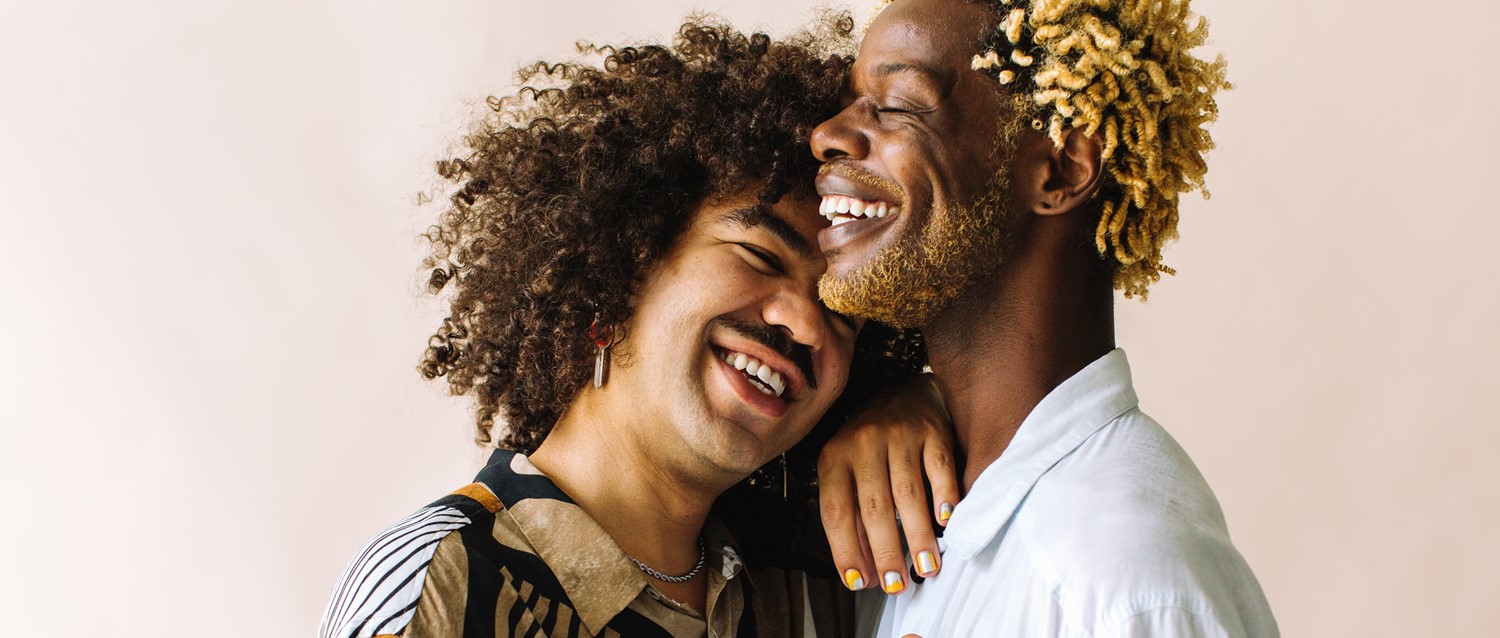
Debunking gay men stereotypes and myths
Peer reviewed by Dr Krishna Vakharia, MRCGPAuthored by Emily Jane BashforthOriginally published 7 Jul 2022
Meets Patient’s editorial guidelines
- DownloadDownload
- Share
- Language
- Discussion
- Audio Version
- Add to preferred sources on Google
Gay stereotypes and myths can have severe mental and physical health consequences. It wasn't so long ago that it was illegal to be gay in Britain. While areas of society have progressed, it's important we continue dismantling harmful misconceptions to create safe spaces for LGBTQ+ people to be themselves.
What does it mean to be gay?
A gay man is someone who has a romantic and/or sexual orientation towards other men. 'Gay' has also become a more generic term for other members of the LGBTQ+ community, with some lesbians preferring it to 'lesbian,' and non-binary people using the label too.
A brief history of homosexuality
It has been a long process for gay men to have the rights and visibility they have today. In some countries, same-sex relationships are still punishable by death (including Afghanistan, Nigeria and Qatar).
As for the UK, it wasn't until 1967 when sex between two men over the age of 21 and 'in private' was decriminalised with The Sexual Offences Act.
The first Pride was held in London in 1972 before Section 28 was introduced in 1988 to "prohibit the promotion of homosexuality by local authorities". This included schools. Section 28 was only repealed in 2003.
Meanwhile, it took until 1992 for the World Health Organization (WHO) to declassify same-sex attraction as a mental illness and the Marriage (Same Sex Couples) Act was passed in 2013. This, essentially, made lesbian and gay marriages lawful.
Same-sex marriage only became legal in Northern Ireland in 2020.
How do stereotypes about gay men affect them?
Workplace discrimination
The Equality Act 2010 protects LGBTQ+ people from direct discrimination, indirect discrimination, harassment and victimisation at work. However, 35% of LGBTQ+ employees hide their identity for fear of discrimination1. 12% say they wouldn't feel confident reporting any homophobic or biphobic bullying to their employer, despite 18% of LGBTQ+ staff being targeted with negative comments or conduct from work colleagues because they're LGBTQ+. This number is even higher for Black, Asian and minority ethnic employees.
Hate crimes and the pandemic
Recorded hate crimes soared during the pandemic specifically. From January to August 2021, at least 14,670 homophobic hate crime offences were recorded, compared with 10,817 in 2019.
LGBTQ+ anti-violence charity Galop says they saw victims experiencing forms of abuse and violence that were either exacerbated by the pandemic itself or caused by it.
"We have some people who were victims of abuse and attacks because of being blamed for the pandemic itself, either because perpetrators thought the pandemic was an act of God - because of the existence of LGBTQ+ people - or because of the community's association with the last major pandemic in people's minds, and that’s the HIV/AIDs pandemic," says chief executive Leni Morris.
Mental health and homelessness
There have long been disparities between mental health problems in LGBTQ+ and non-LGBTQ+ folk. In 2011, for example, a study found that LGBTQ+ people were eight times more likely to attempt suicide and six times more likely to be depressed if they had unsupportive families2.
It has since been consistently reported that LGBTQ+ people have increased levels of mental health problems.
Gay men specifically are vulnerable to depression. The prevalence of depression amongst gay men is three times higher than that of the general adult population3. Meanwhile, gay men are more likely to have suicidal thoughts, plans or attempts.
Young LGBTQ+ people make up 24% of the youth homeless population in Britain. In 2021, youth homelessness charity AKT's LGBTQ+ report found 92% of those surveyed said being homeless has had a negative impact on their mental health, while 58% said it impacted their physical health. 17% felt they had to have casual sex to find somewhere to stay while homeless4.
Accessing healthcare
According to Stonewall, gay men are more likely to avoid seeking healthcare for fear of discrimination from staff. For example, 1 in 4 gay and bisexual men have never been tested for sexually transmitted infections (STIs).
Healthcare providers have a legal duty to treat LGBTQ+ people fairly under the Equality Act 2010. However, many still remain anxious or scared about seeking medical advice for a health concern.
Dispelling gay men stereotypes ...
All gay men are camp, flamboyant and have a particular fashion sense
There is a multitude of ways for gay men to be visible. However, there are still stereotypes around how gay men dress, look and even sound, perpetuating the idea that you can 'tell' if someone is gay because their appearance is more 'camp' or 'feminine'. This subject area is vast and complicated. However, the 'feminine' gay stereotype can negatively impact how gay men view their bodies and it can make gay people feel like they need to fit into a box in order for their sexuality to be valid. It is known that gay men have higher rates of eating disorders and body dissatisfaction than straight men.
It's important to remember that being gay doesn't look one way. While one gay man might come across as happily flamboyant and enjoy wearing stereotypically 'feminine' outfits, another may not. Being a gay man is defined by attraction to other men, not a dress sense.
However, it is worth noting that many LGBTQ+ people use their clothing and certain stereotypes to seek out their people and signal to one another. This dates way back, most famously to the 1970s when gay men placed handkerchiefs in their back pockets when they were seeking casual sex. Each colour, and even which pocket it was in, had a meaning. Codes were essential to the development of communities and safe spaces.
All gay men are promiscuous and frequently have unprotected sex
The sexual desires and behaviour of gay men vary from person to person, just like straight men. While some may be very sexually active, some are also celibate. However, there is a gay stereotype that all gay men 'sleep around'.
This is an idea greatly perpetuated by the media for decades, such as the Queer as Folk drama of 1999. While some gay men enjoy hooking up on dating apps or having frequent casual sex, the expectation for all gay men to want the same can impact confidence and self-esteem. Some of these expectations tied to gay identity surrounding sex are enforced by the gay community itself.
In fact, 15% of men say they have low interest in sex5. While casual sex and 'promiscuity' shouldn't be shamed (especially since there was a time when gay men could not be so open about their desires), we need also to acknowledge that gay male desire and sexual practices aren't one-size-fits-all.
Every gay man has HIV
Rates of HIV have been higher amongst members of the LGBTQ+ community for a long time. However, for the first time in a decade, the number of HIV infections in heterosexual people has actually surpassed that of gay and bisexual men in the UK. This follows a report from the Health Security Agency (HSA), showing that there has been a 50% increase in new diagnoses in straight men and women, with a 45% increase in gay and bisexual men6
HIV is not only confined to LGBTQ+ people. Therefore, referring to it as a "gay disease" is both harmful and medically inaccurate. Anyone of any sexuality can become infected, as HIV doesn't discriminate. However, certain people are more vulnerable. Those who have sex without condoms or who share needles are most at risk.
While not everyone has the same level of risk to getting HIV, everyone can reduce their risk of becoming infected. Becoming more educated on the reality of HIV - and other aspects of sexuality - can ensure everyone has access to the support they need and spaces in society are safe for people to be themselves.
Further reading
Patient picks for Gender identity
Healthy living
How to support your transgender child
"Some years ago, at a young age, our daughter Sophie* first told us they were a girl. This was quite a shock at the time, as we'd thought they were born male. It turned out we were mistaken," says Joe*, who tweets as @DadTrans and blogs at Growing Up Transgender with his partner @FierceMum.
by Sarah Graham
Healthy living
Debunking transgender stereotypes and myths
Myths and stereotypes about transgender people have existed for decades. Sadly, these misconceptions can create a fear of trans people, as well as increase the rates of violence and poor mental health they experience.
by Emily Jane Bashforth
About the authorView full bio

Emily Jane Bashforth
Feature Writer
NCTJ
Emily is a Feature Writer with Patient, writing articles on a variety of topics relating to health and well-being.
About the reviewerView full bio

Dr Krishna Vakharia, MRCGP
Chief Medical Officer for Health, Optum UK
MBChB, MRCGP(2013), BMedSci (hons), DFSRH, DRCOG, PGDipDerm (Distn)
Dr Krishna Vakharia is an NHS GP. She is also a regular examiner for the postgraduate Diploma in Practical Dermatology at Cardiff University as well as being the Chief Medical Officer for health at Optum UK.
Article history
Article also available in English, German, Spanish, French, Italian, Portuguese, Hindi, Hebrew, Arabic, and Swedish.
7 Jul 2022 | Originally published
Authored by:
Emily Jane BashforthPeer reviewed by
Dr Krishna Vakharia, MRCGP
Join the conversation
Share your thoughts or experiences with others in our patient communities.

Ask, share, connect.
Browse discussions, ask questions, and share experiences across hundreds of health topics.

Feeling unwell?
Assess your symptoms online for free
Sign up to the Patient newsletter
Your weekly dose of clear, trustworthy health advice - written to help you feel informed, confident and in control.
By subscribing you accept our Privacy Policy. You can unsubscribe at any time. We never sell your data.
More in healthy living
- NewAdam Smith on mindfulness, mental health, and diabetes
- Can you do too much exercise?
- Does BMI matter?
- HIIT or weights: which is best for weight loss?
- How to ask kids about their health
- How to get your child the right support at school
- How to have great sex in later life
- UpdatedHow to strengthen your core
- How to support your child if they are being cyberbullied
- Is the vagus nerve the key to our mental health?
- Mounjaro weight loss injections: FAQs
- Should you exercise if you have a chronic illness?
- Should you take Champix to help you stop smoking?
- Size matters: why our oversized portions are contributing to the obesity crisis
- The link between anxiety and insomnia
- What are the benefits of squats?
- What are the mental health benefits of making your bed in the morning?
- What causes sleepwalking and how can you stop?
- Why do we find it comforting to re-watch our favourite movies?
- Will the government's obesity strategy work?