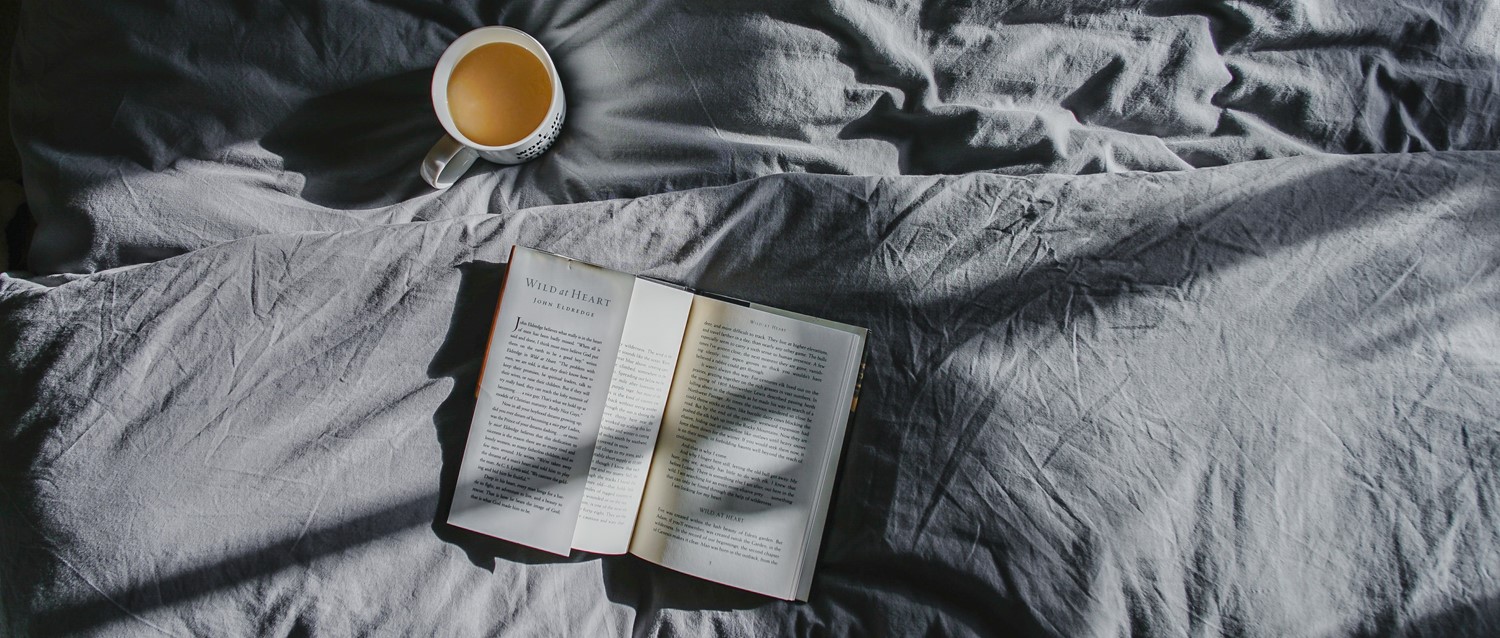
How does your period impact your sleep?
Peer reviewed by Dr Sarah JarvisLast updated by Abi MillarLast updated 28 Sept 2020
Meets Patient’s editorial guidelines
- DownloadDownload
- Share
- Language
- Discussion
- Audio Version
- Add to preferred sources on Google
Many women experience sleep disturbances at various points in their menstrual cycle. Here's how your period may affect your sleep, and what to do about it.
Many of us experience poor-quality sleep from time to time. And though statistics vary, studies consistently show that women are more affected than men. One review paper, from 2006, found that women are at 40% greater risk of insomnia.
Hormones and sleep
There are a few possible reasons for this gender discrepancy, but a key culprit is hormonal fluctuations. Insomnia is more common in women during pregnancy and perimenopause, and at certain points of the menstrual cycle. According to the National Sleep Foundation in the USA, 30% of women report disturbed sleep during their period, along with 23% the week beforehand.
"All women are different - some might find that their quality of sleep is affected by their menstrual cycle, whereas others will not," says Sara Matthews, consultant gynaecologist at the Portland Hospital (part of HCA Healthcare UK). "Our sleep pattern is regulated by our own circadian rhythm, and that is influenced by fluctuations in oestrogen and progesterone throughout the menstrual cycle."
She adds that, while sleep is usually uninterrupted in the first half of the cycle, issues can begin after ovulation.
"At this point, cortisol levels can increase, melatonin levels decrease, body temperature is slightly higher, and REM sleep diminishes," she says. "Later in the luteal phase (the second half of your cycle, in the couple of weeks before your next period), the drop in both oestrogen and progesterone that heralds the coming of a period is classically associated with disturbed sleep. Some women, especially those in the teenage and perimenopausal years, also experience night sweats."
How sleep disturbances relate to PMS
If you've ever spent the night before your period tossing and turning in bed - perhaps throwing off your duvet because you're suddenly too hot - you'll be all too familiar with this situation. As Dr Nerina Ramlakhan, a physiologist and sleep expert, explains, this part of the cycle is often associated with changes in mood, body temperature, and energy levels, along with physical symptoms.
"These can include bloating and other stomach disturbances, pain and cramps, light and noise sensitivity, constipation or diarrhoea, and appetite changes," she says. "All of this can have a disruptive effect on sleep for some women. Some might have difficulty getting to sleep or staying asleep, oversleeping or not getting enough sleep. Others might have more vivid and disturbing dreams. With severe PMS there might be a combination of all of these sleep problems."
One 2012 study found that women with severe PMS were around twice as likely to experience insomnia. Among women with premenstrual dysphoric disorder (PMDD), a very severe form of PMS, 66% experience sleep problems, 72% feel depressed and 84% feel tired. It can sometimes be hard to work out what comes first - are you sleeping badly because of anxiety and low mood, or is the low mood a product of sleeping badly?
Either way, it comes down to your hormones. One study found that women whose progesterone levels rise more sharply during their cycle are more likely to experience sleep disturbances towards the end.
"In some cases, sleeping for shorter periods of time can be associated with having an irregular menstrual cycle," adds Intimina’s consultant gynaecologist Dr Shree Datta.
As Matthews explains, while it's unusual for younger women to have significant sleep disturbance related to their cycle, it's worth keeping a sleep diary to work out your own patterns. Other reasons for a poor night's sleep include stress, a chaotic work schedule, poor sleep 'hygiene', and certain medications and medical conditions, along with caffeine, nicotine and alcohol.
How to sleep better during your period
So what can you do to get a better night's shut-eye, if you're struggling with period-related sleep problems? To a large extent, the answers are the same as they would be for anyone else dealing with sleep problems (though with an added focus on mitigating any physical symptoms).
Work on your bedtime routine
"Have a warm bath or shower before bedtime, don't use a phone or watch TV in bed. Try reading a book, or even better, have sex with your partner if that is an option!" says Matthews. "Change your sheets the week before a period is due, and maybe try some ambient noise in the bedroom, like a fan, to drown out any other sound. Some hot milk or chamomile tea to drink on the way to bed, or a herbal valerian supplement or low-dose melatonin tablet, will help falling to sleep. Try to avoid taking prescription sleeping pills."
Managing your hormones
She adds that since many PMS symptoms get worse when carbohydrate cravings kick in, it's worth cutting back on sugar in the second half of your cycle. If none of these techniques help, you could always see the doctor about taking the pill - but this needn't be your first port of call.
"It's unlikely the reproductive hormones will need to be altered to deal with sleep problems," says Natasha Richardson, an expert in menstrual health and author of Your Period Handbook. "It's more likely that there are lifestyle and dietary changes to be made, which will support overall well-being. By doing this there won't be any underlying problem for the normal hormone changes to exacerbate."
'Non-negotiables'
Dr Ramlakhan suggests five 'non-negotiables' for getting a good night's sleep, whether or not your period is fuelling the insomnia. These are:
Don't skip breakfast.
Cut back on caffeine.
Stay well hydrated.
Go to bed early.
Set healthy technology boundaries.
"You could seek relief in complementary therapies, while cultivating self-awareness perhaps with a regular meditation or mindfulness practice," she says. "Allow the thirty odd years of having periods to hone your self-care and lifestyle habits as practice for when the menopause arrives."
Seeking help
Finally, it's important to seek help if you find your sleep problems are interfering with your ability to function during the day.
"Sleep is a sign of our overall well-being. We need to be healthy to have good sleep and we need good sleep to be healthy. Figuring out what needs treating first for you is something you may need to seek a professional's advice on," says Natasha Richardson.
Patient picks for Periods and period problems

Women's health
How to get rid of period cramps
If you get periods, it's likely that you will have experienced period cramps and period pain at some point. Thankfully, most of the time menstrual cramps can be managed using tried and tested methods at home.
by Milly Evans
Women's health
What a missed period could mean if you're not pregnant
Does your period show up like clockwork each month? If you're not pregnant, you might be wondering why you've skipped right past the one week you dread every month. But here's the thing: missed or late periods happen for many reasons other than pregnancy. We speak to the experts about a few common causes of irregular periods.
by Sara Lindberg
About the authorView full bio

Abi Millar
Freelance Journalist
BA (Hons), MA
Abi is a freelance journalist with a special interest in health and medicine writing.
About the reviewerView full bio

Dr Sarah Jarvis
Clinical Consultant
MA (Cantab), BM, BCh (Oxon), DRCOG, FRCGP, MBE
After training in medicine at Cambridge and Oxford, Dr Sarah Jarvis MBE became a GP.
Article history
The information on this page is peer reviewed by qualified clinicians.
Article also available in English, German, Spanish, French, Italian, Portuguese, Hindi, Hebrew, Arabic, and Swedish.
28 Sept 2020 | Latest version
Join the conversation
Share your thoughts or experiences with others in our patient communities.

Ask, share, connect.
Browse discussions, ask questions, and share experiences across hundreds of health topics.

Feeling unwell?
Assess your symptoms online for free
Sign up to the Patient newsletter
Your weekly dose of clear, trustworthy health advice - written to help you feel informed, confident and in control.
By subscribing you accept our Privacy Policy. You can unsubscribe at any time. We never sell your data.
More in women's health
- Are fertility apps a reliable form of contraception?
- Breaking down the gender health gap
- Breast cancer videos
- Can blood tests help to manage menopause and HRT?
- Can changing your diet improve PMS?
- Easy ways to get the pill: options beyond the GP surgery
- Endometriosis: A new urine test could reduce diagnosis times by years
- How your periods change during perimenopause
- Is it safe to skip your period on the pill?
- Living with endometriosis - Keisha's story
- Menopause - the questions to ask
- Should vaginal mesh surgery be banned?
- Tampon tests - the latest way to check your vaginal health
- The problem with 'bioidentical hormones' for menopause
- The truth about PCOS and menopause
- Vaginal ‘health gummies’ - Why the trend for improving our vaginas is harmful
- What's the future of contraception?
- What's the link between hair relaxers and fibroids?
- Why are more young women losing their periods due to restrictive diets and excessive exercise?
- Your diet and the menopause