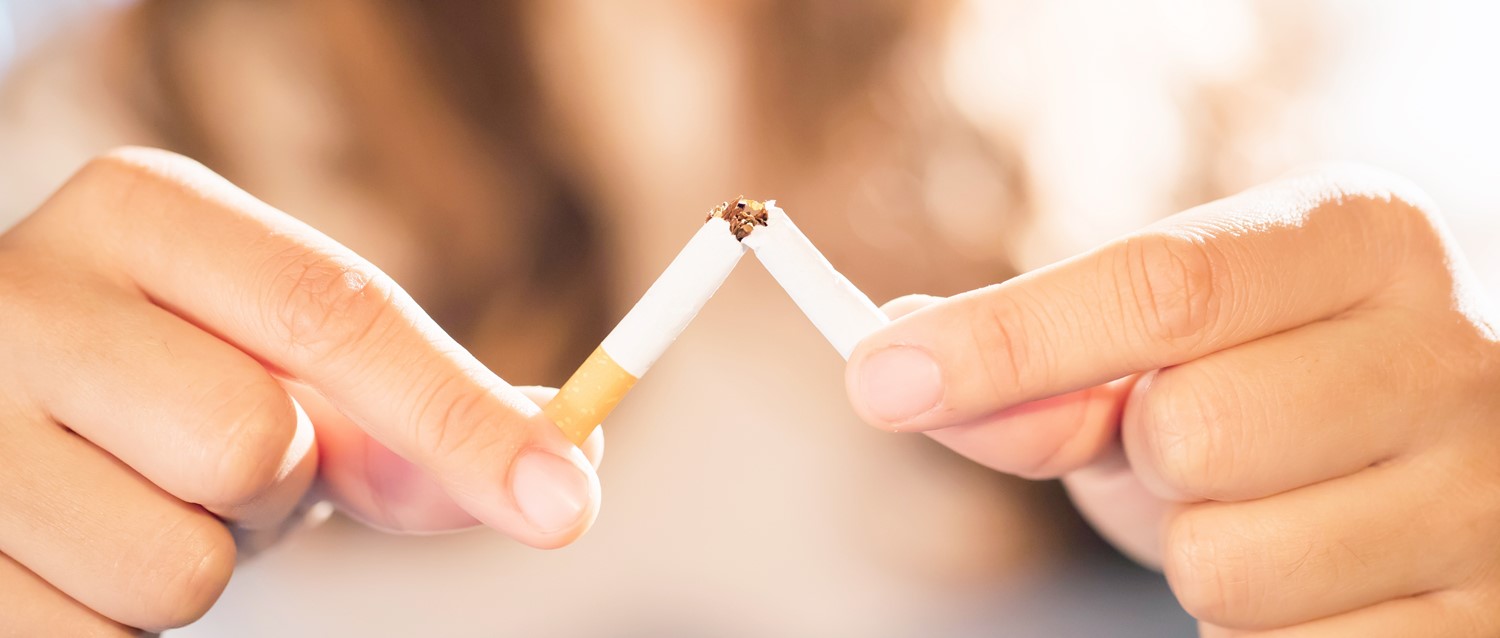
How to stop smoking
Peer reviewed by Dr Sarah JarvisAuthored by Emily Jane BashforthOriginally published 1 Feb 2022
Meets Patient’s editorial guidelines
- DownloadDownload
- Share
- Language
- Discussion
- Audio Version
- Add to preferred sources on Google
The start of a new year is often a time when people make resolutions and strive to adopt healthier habits. One goal you might have is to give up smoking. But, once you commit to quitting, how can you ensure you stick with it throughout the year?
Why do many smokers see the New Year as an opportunity to give up?
Addiction specialist Michael Gregory says the start of a new year is often a time of increased psychological motivation, as many aim to leave the old behind and embrace new goals.
"Many smokers are daunted by the prospect of attempting to quit smoking, as they are expecting it to be a struggle. They have often experienced the bitter disappointment of attempting to quit smoking and not succeeding several times. Therefore, New Year can provide that extra motivation to try again," he says.
Is it realistic to set quitting smoking as a resolution?
Research indicates that smokers who give up in January are more likely to be successful than those who quit at other times throughout the year. This is largely due to the motivational boost the start of a new year can create. Your resolution can be combined with support and guidance from your GP or local pharmacist.
Gregory explains that planning a manageable approach to quitting smoking, with support from a healthcare professional, is much more likely to be successful than going 'cold turkey'.
"If you think of how we ordinarily handle problems in our work or life, we first try to understand the cause of the problem. Then, we assess if possible solutions will fix it. Interestingly, when it comes to giving up smoking, smokers behave very differently. They often just pick an option at random that they haven't tried yet, without really understanding the challenges they may face, such as cravings or changing long-term habits."
It can be useful to set small, achievable goals when starting your journey to giving up smoking. For help setting these goals, you can speak with your local GP or local Stop Smoking Service.
How to stop smoking
Medical director Dr Earim Chaudry suggests a helpful way to keep your non-smoking goals long-term is to download money-saving apps that monitor how much you are saving by not buying cigarettes. This can be very motivational for some people when giving up smoking.
Smokefree veterans say people smoke tobacco for many different reasons, and stress the importance of learning why you use tobacco in the first place. Then, you can think about the reasons you want to give up smoking.
Some of the reasons people smoke tobacco include:
Stress relief.
Peer pressure.
Social situations.
Habit.
Understanding addiction
Smokefree explains that smoking is highly likely to become an addiction because smoking contains nicotine.
"Nicotine is a drug that affects many parts of your body, including your brain. Over time, your body and brain get used to having nicotine in them. About 80-90% of people who smoke regularly are addicted to nicotine."
Smokefree veterans say nicotine reaches your brain within 10 seconds of entering your body, which forces the brain to release adrenaline and create a buzz. This rush can fizzle out quickly though, leading you to crave it again.
The longer you smoke, the higher your body's tolerance to nicotine becomes, meaning you will eventually need to smoke more to experience that initial buzz.
Dealing with withdrawal
It's also important to be aware of the potential withdrawal symptoms as your body adapts to giving up smoking.
Withdrawal symptoms may include:
Low mood.
Irritability.
Disturbed sleep.
Trouble concentrating.
Inability to sit still.
Feeling on edge constantly.
Reduced heart rate.
Increased appetite.
Weight gain.
Cravings and withdrawal symptoms can be reduced with the help of nicotine replacement therapy (NRT). NRT is widely available in pharmacies and shops. It is also available on prescription via your GP or an NHS stop-smoking service if you're currently smoking and want to quit. Alternatively, your GP or NHS service can prescribe a medication such as bupropion (Zyban), which can reduce cravings. And while e-cigarettes are not currently available on the NHS, they have a high success rate in helping people quit and are estimated to be at least 95% safer than cigarettes.
While people are significantly more likely to quit successfully with smoking alternatives such as those above, combining this with help from a specialist smoking cessation advisor makes your chances of quitting successfully much still. You can refer yourself to an NHS stop-smoking service free.
Dr Chaudry adds that taking up new hobbies can make quitting smoking more manageable.
"Partaking in new activities will keep both your mind and body busy. It helps you focus on something else when urges to reach for a cigarette arise. A good place to redirect your energy is into fitness and keeping yourself active. Exercising or joining a gym can be a great hobby to take up, and can help you to feel healthier," he says.
How can loved ones support someone wanting to quit smoking this year?
Gregory says you should try to encourage a friend, who is looking to quit smoking, to become more informed about finding a permanent solution to their addiction. You can then offer to be there for them in an interested and accepting way.
Dr Chaudry says collaboration can be key to helping a loved one quit, especially if you once smoked yourself.
"If you are an ex-smoker, you can draw from your own personal experiences of quitting and share tips, provided that is what someone wants.
"You should remind people how proud you are of them, since quitting can be a difficult and sometimes lonely journey. You should let them know you are there for them, and ask what they need."
Where can you find support if you need help giving up smoking?
"If you need any further support, make sure to refer yourself to an NHS stopping smoking clinic or speak to your GP about a referral. You can also find a local support group in your area through the Smokefree National Helpline," says Dr Chaudry.
You can visit Smokefree's resources page for various information leaflets and guides for quitting.
Patient picks for Smoking and vaping
Healthy living
What to do if you relapse after quitting smoking
Don't give up! That's the message if you've relapsed after quitting smoking. Smoking is a hard habit to kick so don't be hard on yourself if you're finding it tough. There are lots of techniques which can help you to get back on track and keep it up long-term.
by Andrea Downey

Healthy living
Safer than cigarettes? The rise of vaping in schools
The range of playful vape flavours, colours, and shapes may look a lot less scary to a child than the gory, unnerving photos of diseased organs on cigarette packets - but is vaping really that much safer? As vaping becomes more widespread in UK schools, we look at the known vaping side effects, and ask whether it's dangerous for parents to view vaping as a deterrent or safe alternative to smoking.
by Amberley Davis
About the authorView full bio

Emily Jane Bashforth
Feature Writer
NCTJ
Emily is a Feature Writer with Patient, writing articles on a variety of topics relating to health and well-being.
About the reviewerView full bio

Dr Sarah Jarvis
Clinical Consultant
MA (Cantab), BM, BCh (Oxon), DRCOG, FRCGP, MBE
After training in medicine at Cambridge and Oxford, Dr Sarah Jarvis MBE became a GP.
Article history
Article also available in English, German, Spanish, French, Italian, Portuguese, Hindi, Hebrew, Arabic, and Swedish.
1 Feb 2022 | Originally published
Authored by:
Emily Jane BashforthPeer reviewed by
Dr Sarah Jarvis
Join the conversation
Share your thoughts or experiences with others in our patient communities.

Ask, share, connect.
Browse discussions, ask questions, and share experiences across hundreds of health topics.

Feeling unwell?
Assess your symptoms online for free
Sign up to the Patient newsletter
Your weekly dose of clear, trustworthy health advice - written to help you feel informed, confident and in control.
By subscribing you accept our Privacy Policy. You can unsubscribe at any time. We never sell your data.
More in healthy living
- 10 daily habits for healthy weight loss
- AI skin analysis: what it is and why experts warn against it
- Can a new bed improve your insomnia?
- Can probiotics treat obesity and diabetes?
- CBT for insomnia: how does it work?
- How to be a calm parent when you're stressed
- How to drink less over Christmas and the New Year
- How to drink sensibly over the festive season
- How to get into swimming safely for beginners
- How to sleep better
- Is brain rot real - here's what brain health experts say
- Level up your real life: 6 health tips every gamer needs to know
- Stay fit indoors: winter workout ideas you can do at home
- Thinking of trying wild swimming? Read this first
- What does smoking do to your heart?
- What to do if you feel lonely
- Why does drinking alcohol affect your sleep?
- Why fad diets can actually lead to weight gain
- Why we should be making mental health New Year resolutions