Insomnia linked to increased risk of heart disease and stroke
Peer reviewed by Natalie HealeyLast updated by Ashwin BhandariLast updated 20 Aug 2019
Meets Patient’s editorial guidelines
- DownloadDownload
- Share
- Language
- Discussion
- Audio Version
- Add to preferred sources on Google
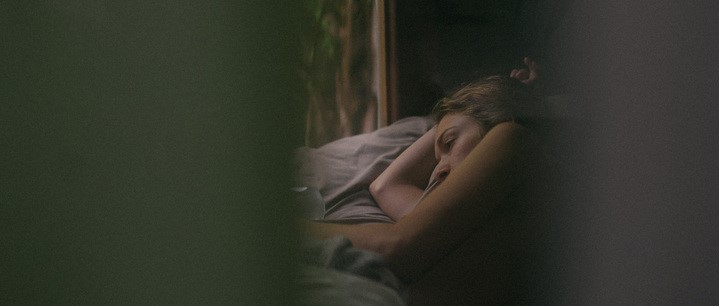
People who struggle to get a good night's rest may be at greater risk of developing cardiovascular problems, according to new research.
Scientists have found people who are genetically predisposed to insomnia have a higher risk of heart failure, stroke and coronary artery disease.
Based on previous research, they discovered frequent links between poor sleep and cardiovascular problems. Their study suggests insomnia could play a role in causing such conditions.
Up to 250 genes have been linked to insomnia. The researchers found these were associated with significantly higher odds of coronary artery disease, heart failure and ischaemic stroke - particularly large artery stroke, but not atrial fibrillation. 1.3 million participants were studied.
"It's important to identify the underlying reason for insomnia and treat it," said Dr Susanna Larsson, lead study author and associate professor of cardiovascular and nutritional epidemiology at Karolinska Institutet in Stockholm, Sweden. "Sleep is a behaviour that can be changed by new habits and stress management."
However, the study looked at participants who already had a genetic predisposition to insomnia, rather than how much sleep individuals actually managed per night.
Michael Holmes, of the University of Oxford who was not involved in the research, told the Guardian it was not clear whether sleep loss based on the genetic variants increased the risk of cardiovascular disease, or whether the link was because of genetic variants triggering other effects.
He said: "This study doesn't allow us to conclude that insomnia causes cardiovascular disease. Rather, all we can say is that individuals carrying genetic variants linked to a higher risk of insomnia also have a higher risk of cardiovascular disease."
The research is published in Circulation.
Patient picks for Sleep and insomnia

Healthy living
How revenge bedtime procrastination affects your health - and how to avoid it
If you’ve ever stayed up late scrolling on your phone when you know you should be asleep, you’re not alone. You stay awake until the early hours to watch one more episode on Netflix, but when the morning rolls around, you’re exhausted. It’s something many of us do - and it’s called revenge bedtime procrastination.
by Lydia Smith
Healthy living
How to fix your sleep schedule with a healthy bedtime routine
A good sleep schedule helps you get the right amount of rest each night and stops you building up a 'sleep debt' that leaves you not feeling at your best. What makes a good sleep schedule, and how does a healthy bedtime routine help you to adopt one?
by Lawrence Higgins
About the authorView full bio

Ashwin Bhandari
Medical Writer
BA Journalism
About the reviewerView full bio

Natalie Healey
Freelance journalist
BSc (Hons) Biomedical Science
She is a London-based health journalist who has been writing about science and medicine for several years. She is the former head of editorial at Patient.
Article history
The information on this page is peer reviewed by qualified clinicians.
Article also available in English, German, Spanish, French, Italian, Portuguese, Hindi, Hebrew, Arabic, and Swedish.
20 Aug 2019 | Latest version
Join the conversation
Share your thoughts or experiences with others in our patient communities.

Ask, share, connect.
Browse discussions, ask questions, and share experiences across hundreds of health topics.

Feeling unwell?
Assess your symptoms online for free
Sign up to the Patient newsletter
Your weekly dose of clear, trustworthy health advice - written to help you feel informed, confident and in control.
By subscribing you accept our Privacy Policy. You can unsubscribe at any time. We never sell your data.
More in healthy living
- 5 best Dry January apps for 2024
- Can exercise help with grief?
- Can you really be fit and fat?
- Grounding mats: can they boost your wellbeing?
- Have a healthy, happy Father's Day
- How gut bacteria affect mood, focus and brain health
- How to look after your liver during freshers’ week
- How to stop ‘mum guilt’ from impacting your mental health
- Is your exercise routine giving you acne?
- Japanese walking: simple steps to a healthier you?
- One in five hospital patients have a problem with alcohol
- Problems caused by being underweight
- Smoking could lead to sight loss, warn optometrists
- The conditions that cause unexpected weight gain
- Transform your sleep: a guide to overcoming stress dreams
- Walk, jog, repeat: what is Jeffing?
- Why a Christmas movie can make us feel good
- Why sitting ruins our health - and how 22 minutes of exercise could help
- NewYoung-onset dementia - what you need to know