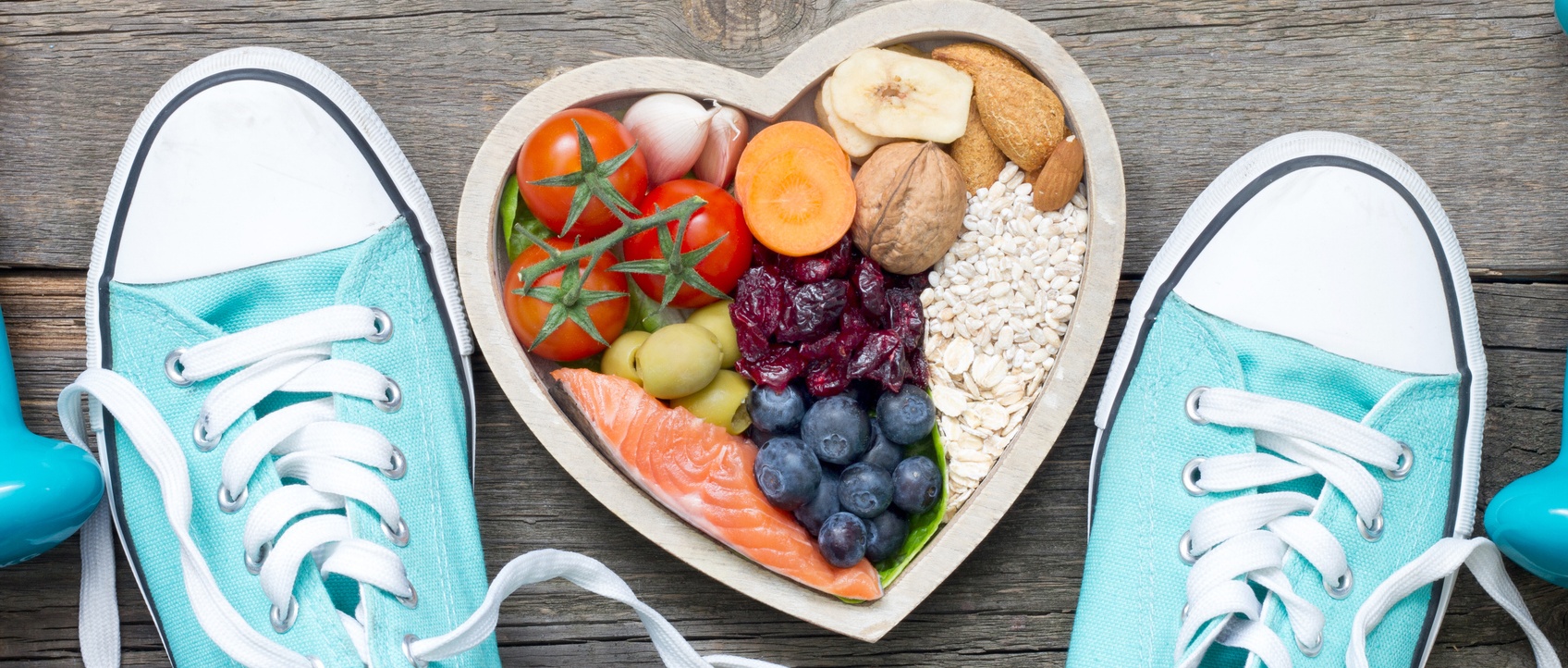
Comment réduire votre cholestérol
Revu par Dr Krishna Vakharia, MRCGPDernière mise à jour par Victoria RawDernière mise à jour 8 oct. 2025
Respecte les directives éditoriales
- TéléchargerTélécharger
- Partager
- Language
- Discussion
- Version audio
- Ajouter aux sources préférées sur Google
Heart attacks and strokes have decreased by 30% in the UK over the past two decades. However, they're still a major health hazard. Effective medicines to lower cholesterol and blood pressure have played a big part, but you can also stack the odds in your favour with lifestyle changes. Keeping your weight within the healthy range can significantly reduce levels of bad cholesterol (LDL) and boost good cholesterol (HDL), which protects your heart.
Explore cholesterol management options
Get expert healthcare advice from the comfort of home. Complete a quick online consultation, available 24/7, with your request reviewed by a UK-registered clinician. Next day delivery available on eligible treatments.

Médicaments
Statines
Statines are effective at lowering cholesterol, and the health scares about them have been widely disregarded. It's hardly surprising that there has been a lot of media interest in statins. According to the British Heart Foundation (BHF), they're one of the most commonly prescribed medicine in England, and people are always interested in stories that relate to them personally.
However, many of the scare stories about side effects have largely been shown to be down to the nocebo effect. This is the opposite of the placebo effect - where you're more likely to get better from a treatment if you believe you will, regardless of how effective it is. With the nocebo effect, you're more susceptible to side effects if you're worried about them - and the more publicity there was about statins, the more people were worried.
A well-designed study has proved that if people didn't know if they were taking a statin or a dummy (placebo) tablet, the two groups had equal numbers of side effects. Once these same people knew if they were taking the 'real thing', the number of side effects in those who were taking statins jumped.
While statins may be the best-known lipid-lowering medicines, they're not the only ones. If your cholesterol isn't adequately controlled with lifestyle and statin treatment - or you can't take statins - you may be prescribed a medicine called ézétimibe ou un fibrate medicine.
Autres médicaments
In the last couple of years, there have been several new medicines with powerful lipid-lowering properties developed. These target a protein called PCSK9, which is linked to high levels of LDL cholesterol. Medicines in this group include Repatha (evolocumab), Praluent (alirocumab) and Leqvio (inclisiran), which has been found to reduce LDL cholesterol by around 50% with a single six-monthly injection. However, these medicines are usually only given to people at very high risk, and whose cholesterol isn't controlled with tablets.
Arrêter de fumer
Along with all the other benefits of stopping smoking, quitting can reduce furring up of your arteries and improve your cholesterol.
There's lots of free NHS support available to quit smoking and a wide range of tools that can help, including thérapie de substitution nicotinique (TSN) in patches, gum, inhalators, tablets, lozenges and sprays.
Which alternative you use is up to you - ideally in discussion with your smoking cessation healthcare professional. But two things are clear - quitting is one of the best gifts you can give your body, and you're much more likely to quit successfully with expert support than by going cold turkey.
Lifestyle changes and exercise
Exercise can help you lose weight, in combination with changes to your diet. As an added bonus, it can improve your cholesterol independent of weight loss as well. Exercice régulier, ideally combining aerobic exercise - the kind that makes you mildly out of breath - with resistance exercises, can cut harmful LDL and raise HDL cholesterol.
The best form of exercise for you is the kind you enjoy - whether that's course à pied, cycling, la natation, yoga, Pilates, spinning, high-intensity interval training (HIIT) ou CrossFit. That's partly because you're more likely to stick with exercise if it isn't a chore. If you have a physical disability, you may need to adapt your routine, but there are still plenty of options.
30 minutes, five days a week is enough to improve your cholesterol, but any amount will help your heart if you can't manage that much.
Acides gras oméga-3
Foods high in les acides gras oméga-3 won't lower your LDL cholesterol but they have other heart-healthy benefits. Any oily fish - including sardines, mackerel, herring and salmon - are rich in omega 3s. But you can also find them in plant sources, including walnuts, soya or kidney beans and flax, chia or hemp seeds.
Introducing more fibre into your diet
When we think of fibres, we tend to focus on insoluble fibre - whole grain and wholemeal versions of refined foods such as flour, bread and pasta, or beans and pulses. Insoluble fibre provides lots of benefits for your bowels, but soluble fibre has an additional superpower, reducing absorption of bad fats into your system. With a little imagination, you can up your intake of fibre through small tweaks to your diet.
Fibre soluble
Oats, barley, stone fruits - such as plums, nectarines, apricots - pears, apples, aubergines, avocados, carrots, broccoli, Brussels sprouts, and sweet potatoes are good sources of soluble fibre. So are some beans, such as black beans or kidney beans, nuts - walnuts, almonds, hazelnuts, peanuts - and seeds including sunflower seeds and flax seeds.
Pulses
Try adding beans or pulses to stews. This can bulk them out, making them more economical, but they're also a delicious way to up your heart-healthy food intake. When summer comes, many fresh fruits become cheaper and more readily available. Eat it fresh or stew it - with as little sugar as possible - for a tasty dessert.
In addition to tasting delicious, strawberries are a great source of soluble fibre too. On the side, instead of cream, try a dollop of low-fat Greek-style yoghurt, which is high in calcium and protein.
While you may think carrot, cucumber or celery sticks are dull, pairing them with home-made hummus can really perk them up. Just whiz up a drained tin of chick peas with a spoonful of tahini - sesame seed paste, available from most supermarkets - lemon juice, garlic and pepper. Equally easy but impressive as a party dip as well as for yourself is feta and beetroot hummus. Both are heart-healthy and cheaper than shop-bought alternatives.
Seeds and nuts
Keep a pot of seeds and nuts handy as a snack, to avoid being tempted by high-sugar alternatives. If you do want a sweet treat, home-made flapjack does at least have plenty of soluble fibre from the oats. Dried fruit - such as figs and dates - shouldn't be eaten in unlimited quantities because they are high in sugar. But they feel indulgent and are a much better alternative than a chocolate bar.
Reducing your salt intake
On the whole, cooking from scratch is better for your heart health than ready-prepared foods. These are often high in hidden sugar and salt. While too much salt won't affect your cholesterol, it can raise your pression artérielle - another major contributor to maladies cardiaques, as well as AVC.
It's the sodium in salt which affects blood pressure. The BHF reports that switching from standard salt to salt substitutes - where some sodium is replaced by potassium - could cut early deaths by 12%, and your chance of having a heart attack or stroke by 13%.
Rather than salt, use herbs, spices and lemon juice to season. Or if you do want to add salt, opt for a reduced sodium alternative.
Sterols and stanols
These are plant chemicals which are a similar size and shape to cholesterol. As they are absorbed from your gut, they block some cholesterol from being absorbed. It's hard to get enough even from a healthy diet, but fortified foods such as Benecol and Flora ProActiv can help lower cholesterol. So too can soya-based foods, including soya milk or yoghurt, tofu and soya beans.
Dr Sarah Jarvis has acted as a medical advisor for LoSalt.
Avec remerciements au magazine 'My Weekly' où cet article a été initialement publié.
Explore cholesterol management options
Get expert healthcare advice from the comfort of home. Complete a quick online consultation, available 24/7, with your request reviewed by a UK-registered clinician. Next day delivery available on eligible treatments.
Sélections des patients pour Hypercholestérolémie
Santé cardiaque et vaisseaux sanguins
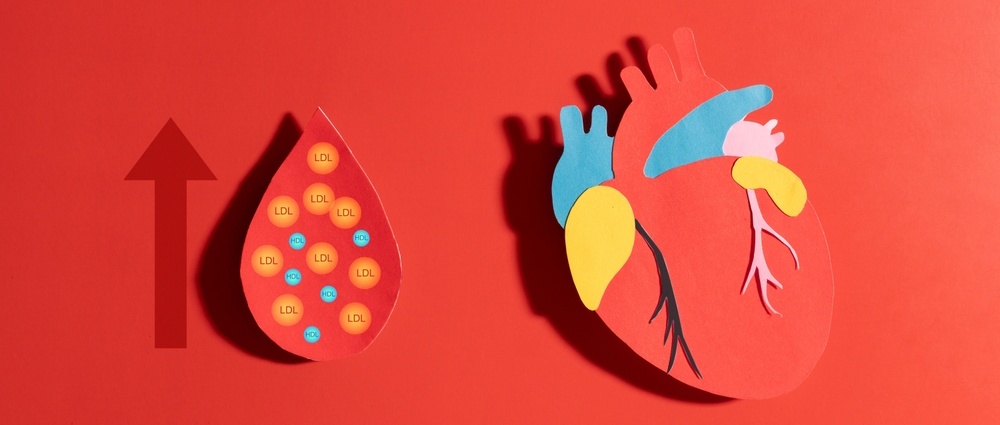
Comprendre vos niveaux de cholestérol
Alors, vous avez fait vérifier votre cholestérol, mais que signifient vraiment ces chiffres ? Et que devez-vous faire maintenant ? Nous examinons les faits et les chiffres.
par Lynn Stephen
Régime et nutrition
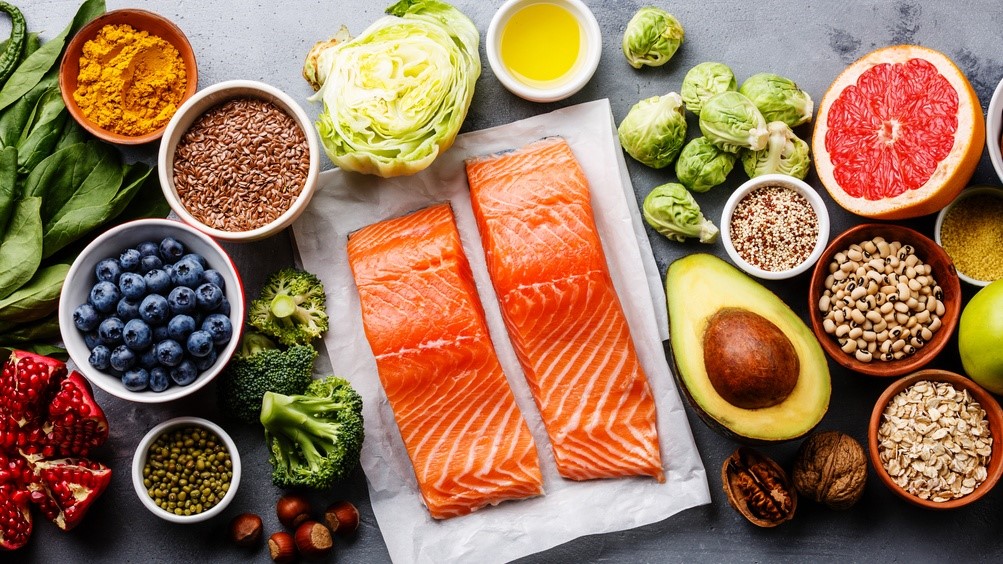
Qu'est-ce que le régime TLC et peut-il améliorer votre santé cardiaque ?
If your cholesterol levels are higher than they should be, you may be more likely to have heart disease. However, there are steps you can take to lower your cholesterol and protect your health. One way is to follow the TLC diet - or Therapeutic Lifestyle Changes diet - to reduce your cholesterol. But what can you eat on the plan, and can it keep your heart healthier?
par Victoria Raw
À propos de l'auteurVoir la biographie complète
Mis à jour par

Victoria Raw
Auteur de chroniques
Licence (Hons), Littérature anglaise
Victoria est rédactrice de contenu chez Patient, avec des intérêts particuliers couvrant le bien-être mental, les tendances sociétales et l'impact de la technologie sur notre santé.
Rédigé par

Dr Sarah Jarvis
Consultant Clinique
MA (Cantab), BM, BCh (Oxon), DRCOG, FRCGP, MBE
Après avoir suivi une formation en médecine à Cambridge et Oxford, le Dr Sarah Jarvis MBE est devenue médecin généraliste.
À propos du critiqueVoir la biographie complète

Dr Krishna Vakharia, MRCGP
Médecin-chef pour la santé, Optum UK
MBChB, MRCGP(2013), BMedSci (hons), DFSRH, DRCOG, PGDipDerm (Distn)
Le Dr Krishna Vakharia est un médecin généraliste du NHS. Elle est également examinatrice régulière pour le diplôme de troisième cycle en dermatologie pratique à l'Université de Cardiff, ainsi que médecin-chef pour la santé chez Optum UK.
Historique de l'article
Article également disponible en Anglais, Allemand, Espagnol, Français, Italien, Portugais, Hindi, Hébreu, Arabe, and Suédois.
Next review due: 8 Oct 2028
8 oct. 2025 | Dernière version
23 sept 2022 | Publié à l'origine
Écrit par :
Dr Sarah Jarvis
Participez à la conversation
Partagez vos pensées ou expériences avec les autres dans notre communautés de patients.

Demandez, partagez, connectez-vous.
Parcourez les discussions, posez des questions et partagez vos expériences sur des centaines de sujets de santé.

Vous ne vous sentez pas bien ?
Évaluez vos symptômes en ligne gratuitement
Inscrivez-vous à la newsletter Patient
Votre dose hebdomadaire de conseils de santé clairs et fiables - rédigés pour vous aider à vous sentir informé, confiant et maître de la situation.
En vous abonnant, vous acceptez notre Politique de confidentialité. Vous pouvez vous désabonner à tout moment. Nous ne vendons jamais vos données.