
This is what cold weather does to your heart
Peer reviewed by Dr Sarah JarvisAuthored by Natalie HealeyOriginally published 4 Dec 2019
Meets Patient’s editorial guidelines
- DownloadDownload
- Share
- Language
- Discussion
- Audio Version
- Add to preferred sources on Google
Everyone knows that bugs like colds and flu are more common when the temperature drops, but did you know that cold weather can also affect your heart? Here's how to protect your ticker in winter.
The prospect of snow days may be exciting, but winter can also bring a range of dangers from icy roads to frostbite. However, not many people know that freezing weather can also affect your heart. When the temperature drops, the risk of a heart attack or stroke increases.
Significantly more people die in winter in the UK compared to the warmer months. According to the Office for National Statistics, in the winter of 2018-2019 there were an estimated 23,200 extra deaths compared to the summer in England and Wales.
Older people, and those with existing heart or respiratory problems, are especially vulnerable to the physiological effects of the cold. Being aware can help you stay safe during a severe weather alert.
Why does cold weather affect heart health?
But why does temperature make a difference when it comes to cardiovascular health? GP Dr Diana Gall from Doctor4u explains that in cold weather, your ticker has to work harder than normal.
"In cold weather, the blood vessels constrict, forcing your heart to work harder. This pressure on the heart can in some cases lead to a heart attack," she says.
One way your body responds to cold temperatures in order to protect itself and retain heat is by constricting the blood vessels near the surface of the skin. When this happens, blood flow is reduced to these vessels, which means more pressure in the rest of the system. This in turn means the heart has to work harder than usual to get oxygenated blood around the body.
"This raises blood pressure and increases the chances of blood clots forming, both of which are factors in heart attacks and strokes," adds Gall.
Other factors, including variations in hormones, and increased numbers and stickiness of platelets, which help our blood to clot, also come into play.
Who's most at risk?
If you're over 65, or have an existing cardiovascular condition, it's particularly important to take steps to protect against the cold weather.
"Older people have a harder time regulating their temperature so harsher weather will affect them more," points out GP Dr Daniel Atkinson, clinical lead at Treated.com.
When we get older, we gradually lose muscle mass which means we're more likely to feel cold. And our immune system doesn't function as well as it used to. That makes us more at risk of bugs like colds, the flu and pneumonia, which are all more common in winter.
"Older people especially need to limit how much time they spend in the cold, and keep their body temperature regulated," says Gall.
How to protect your heart from the cold
It's often not possible to stay in a warm house all winter, but the good news is there are plenty of simple ways to prepare for cold temperatures and in turn protect your heart.
Book your flu jab
The dangers of the flu should not be underestimated. It's nothing like a simple cold. Flu can have serious consequences, including heart failure. Last year, flu caused over 2,000 intensive care admissions.
Make sure you're washing your hands regularly (a simple and effective method to stop germs spreading), but your best protection against the illness is the annual flu jab.
If you're over 65, you're eligible for a free flu vaccine. It's not too late to protect yourself - visit your pharmacist or GP today. If you're eligible for a free jab, it means you're at risk no matter how fighting fit you feel.
Stay warm inside the home
Your home should be heated to at least 18°C in the rooms you use most often. But be careful not to turn the thermostat up too high as overheating can be a problem too and lead to low blood pressure.
"Where you can, keep inside and stay warm. Use a hot water bottle and make sure your home is properly heated. When you're venturing out, wrap up nice and warm - but rather than wearing one warm piece of clothing, wear several thin layers as well as a hat, scarf and gloves," says Atkinson.
A scarf is particularly useful. Wrap a lightweight one over your mouth and nose, and it will warm the air before you breathe it in.
Eat well, stay active and avoid alcohol
Make sure to eat at least one warm meal (such as soup or porridge) every day. And have plenty of hot drinks like tea, coffee or herbal tea.
But don't reach for the brandy. You might think it's keeping you warm, but this isn't the case.
"Alcohol clouds your judgement and increases the feeling of warmth even though your body temperature is actually low. This can cause you to underestimate how cold you are and how much strain this is putting on your heart and the rest of your body," says Gall.
Getting some light exercise (if you're able to) can also keep you warm. Reducing the amount of time you spend sitting down at least can really make a difference. But don't overexert yourself.
Patient picks for Heart disease
Heart health and blood vessels
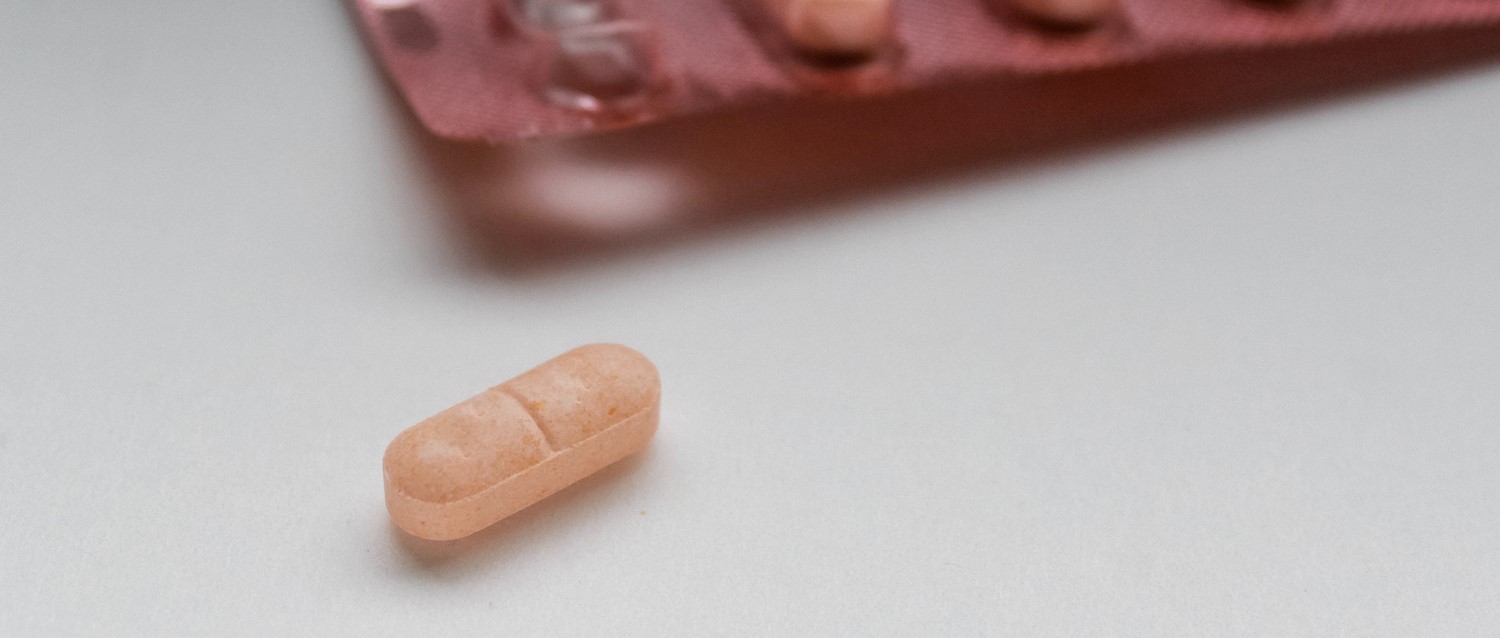
Four-in-one pill could prevent heart problems
A 'polypill', which combines four different drugs, can cut the risk of heart disease and stroke, according to new research.
by Ashwin Bhandari

Heart health and blood vessels
What is alcoholic cardiomyopathy?
Excessive alcohol consumption can damage the heart and lead to a condition called alcoholic cardiomyopathy. How common is this alcoholic cardiomyopathy, and what are the symptoms?
by Amberley Davis
About the authorView full bio
Authored by

Natalie Healey
Freelance journalist
BSc (Hons) Biomedical Science
She is a London-based health journalist who has been writing about science and medicine for several years. She is the former head of editorial at Patient.
About the reviewerView full bio

Dr Sarah Jarvis
Clinical Consultant
MA (Cantab), BM, BCh (Oxon), DRCOG, FRCGP, MBE
After training in medicine at Cambridge and Oxford, Dr Sarah Jarvis MBE became a GP.
Article history
Article also available in English, German, Spanish, French, Italian, Portuguese, Hindi, Hebrew, Arabic, and Swedish.
4 Dec 2019 | Originally published
Authored by:
Natalie HealeyPeer reviewed by
Dr Sarah Jarvis
Join the conversation
Share your thoughts or experiences with others in our patient communities.

Ask, share, connect.
Browse discussions, ask questions, and share experiences across hundreds of health topics.

Feeling unwell?
Assess your symptoms online for free
Sign up to the Patient newsletter
Your weekly dose of clear, trustworthy health advice - written to help you feel informed, confident and in control.
By subscribing you accept our Privacy Policy. You can unsubscribe at any time. We never sell your data.