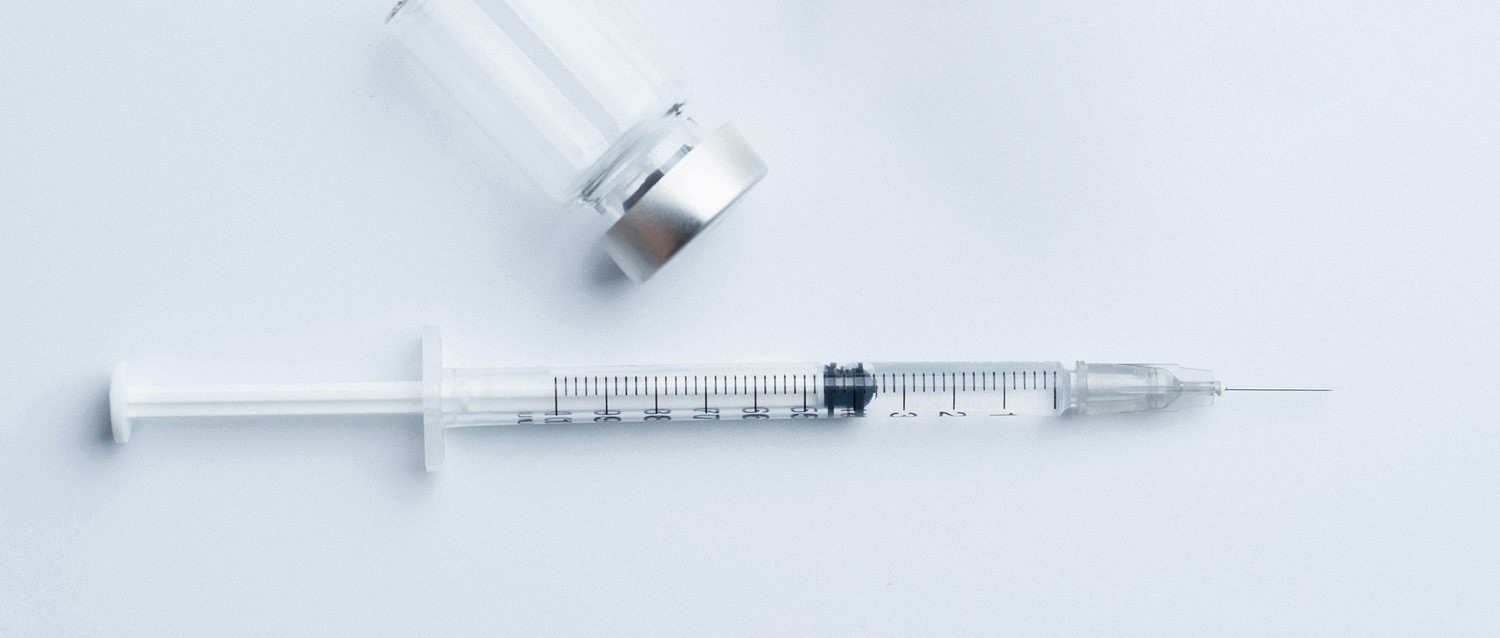
Un vaccin contre la chlamydia a passé les premiers tests de sécurité
Revu par des pairs Natalie HealeyDernière mise à jour par Milly EvansDernière mise à jour 13 août 2019
Respecte les directives éditoriales
- TéléchargerTélécharger
- Partager
- Language
- Discussion
- Version audio
- Ajouter aux sources préférées sur Google
Un essai clinique de phase précoce d'un vaccin contre la chlamydia a montré qu'il était sûr chez l'homme.
L'étude, publiée dans The Lancet Infectious Diseases journal, found that in a clinical trial of 35 healthy women, a vaccine shows early signs of effectiveness against genital chlamydia.
La chlamydia est une infection sexuellement transmissible (STI) which is most common in under-25s, affecting between 3-7% of sexually active young people in the UK. The majority of people experience no symptoms but complications which can develop include l'infertilité et une maladie inflammatoire pelvienne.
En 2018, il y avait 218 095 cas de chlamydia diagnostiqués dans la population du Royaume-Uni, ce qui représente près de la moitié de tous les nouveaux diagnostics d'IST. Au cours des cinq dernières années, la participation au dépistage de la chlamydia a diminué de 22 %, mais la proportion de tests positifs a augmenté.
Jusqu'à présent, les campagnes de santé publique et les programmes de traitement ont été largement inefficaces pour endiguer l'épidémie. Les tests et le traitement antibiotique permettent de détecter et de traiter la chlamydia avec succès, mais le faible engagement du public et la disponibilité limitée ont empêché leur efficacité.
Un programme de vaccination pour prévenir la chlamydia dès le départ est considéré comme une méthode bien meilleure pour empêcher sa propagation et ses complications. Aucune vaccination contre la chlamydia n'a encore atteint les essais cliniques chez l'humain.
Women are particularly at risk of complications from chlamydia. One in six women who have chlamydia develop pelvic inflammatory disease when the infection travels up from the cervix. This can cause douleur pelvienne chronique, infertility and grossesse extra-utérine, particularly in areas of the world where there is limited access to treatment and screening. Chlamydia is also strongly associated with a greater risk of having other STIs, especially VIH et gonorrhée. Chlamydia during pregnancy increases the risk of negative outcomes like fausse couche, stillbirth and naissance prématurée.
"« Compte tenu de l'impact de l'épidémie de chlamydia sur la santé des femmes, la santé reproductive, la santé des nourrissons par transmission verticale, et la susceptibilité accrue à d'autres maladies sexuellement transmissibles, un besoin médical non satisfait existe à l'échelle mondiale pour un vaccin contre la chlamydia génitale », explique l'auteur de l'étude, le professeur Peter Andersen, du Statens Serum Institut, au Danemark.
Les 35 femmes incluses dans l'essai n'avaient pas de chlamydia et ont été réparties en trois groupes, deux avec une version différente du vaccin (pour voir laquelle était la plus efficace) et un groupe placebo. Au total, 32 participantes ont reçu les cinq vaccinations au cours de l'étude.
100 % des personnes ayant reçu le vaccin ont développé une réponse immunitaire, alors qu'aucune dans le groupe placebo ne l'a fait. L'un des vaccins, appelé CTH522 : CAF01, a systématiquement mieux performé que l'autre et a produit 5,6 fois plus d'anticorps. Il est suggéré d'utiliser ce vaccin pour de futurs essais cliniques.
Aucun effet secondaire grave de la vaccination n'a été signalé, bien que tous ceux qui ont reçu le vaccin aient eu de légères réactions cutanées au site d'injection et que certains aient ressenti une douleur ou une sensibilité légère pendant quelques jours.
Bien qu'une réponse immunitaire efficace ait été observée, on ne sait pas encore si cela se traduit par une immunité protectrice contre la chlamydia.
Première auteure de l'étude, Helene Juel de l'Institut Statens Serum, au Danemark, a réfléchi au succès du premier essai clinique. « Des études sur les anticorps chez la souris ont montré que les anticorps dans le vagin sont la première ligne de défense contre l'infection à chlamydia, ce qui suggère qu'ils sont essentiels à l'efficacité du nouveau vaccin. »".
"A vaccine for prevention of C. trachomatis infection [chlamydia] would have enormous public health and economic impact. Although clinical vaccine testing for chlamydia is in its infancy, this trial suggests optimism for the future," says Professor Toni Darville from University of South Carolina.
Cette étude a été publiée dans The Lancet Infectious Diseases.
Sélections des patients pour Infections sexuellement transmissibles

Santé sexuelle
À quelle fréquence devriez-vous visiter une clinique de santé sexuelle pour un bilan de santé ?
En 2020, il y a eu 318 000 diagnostics d'IST en Angleterre, selon Public Health England. L'année dernière, il y a également eu une diminution de 10 % des consultations dans les services de santé sexuelle par rapport à 2019. Cependant, l'importance des bilans de santé sexuelle réguliers reste plus élevée que jamais.
par Emily Jane Bashforth

Santé sexuelle
Vidéo : Quels sont les différents types d'IST ?
Que vous veniez d'être diagnostiqué(e) avec une infection sexuellement transmissible ou que vous suspectiez en avoir une, il est utile de connaître précisément chaque infection, ainsi que ses causes possibles et ses traitements. Nos experts abordent certaines des principales questions concernant diverses IST.
par le Dr Rosemary Leonard MBE, MRCGP
À propos de l'auteurVoir la biographie complète

Milly Evans
Rédactrice
Milly écrit sur une gamme de sujets liés à la santé, avec un intérêt particulier pour les inégalités en santé et la santé sexuelle.
À propos du critiqueVoir la biographie complète

Natalie Healey
Journaliste indépendante
Licence (Hons) en Sciences Biomédicales
Elle est une journaliste de santé basée à Londres qui écrit sur la science et la médecine depuis plusieurs années. Elle est l'ancienne responsable éditoriale chez Patient.
Historique de l'article
Les informations sur cette page sont examinées par des cliniciens qualifiés.
Article également disponible en Anglais, Allemand, Espagnol, Français, Italien, Portugais, Hindi, Hébreu, Arabe, and Suédois.
13 août 2019 | Dernière version

Demandez, partagez, connectez-vous.
Parcourez les discussions, posez des questions et partagez vos expériences sur des centaines de sujets de santé.

Vous ne vous sentez pas bien ?
Évaluez vos symptômes en ligne gratuitement
Inscrivez-vous à la newsletter Patient
Votre dose hebdomadaire de conseils de santé clairs et fiables - rédigés pour vous aider à vous sentir informé, confiant et maître de la situation.
En vous abonnant, vous acceptez notre Politique de confidentialité. Vous pouvez vous désabonner à tout moment. Nous ne vendons jamais vos données.
Plus sur la santé sexuelle
- Votre alimentation et votre mode de vie peuvent-ils améliorer la fertilité ?
- Les pilules contraceptives modifient-elles votre comportement ?
- Tests IST à domicile : comment ils fonctionnent et à quoi s'attendre
- Comment les problèmes d'érection peuvent affecter votre relation
- Comment traiter le vaginisme
- Régime de malbouffe lié à un faible nombre de spermatozoïdes
- Les scientifiques développent une méthode de séparation des spermatozoïdes pour la sélection du sexe
- Devriez-vous changer votre contraception pour le stérilet ou l'implant ?
- Vidéos sur les IST
- Éducation sexuelle pour adolescents : les meilleures ressources numériques pour votre enfant
- Les bienfaits des jouets sexuels pour la santé
- Vidéo : Dans quelle mesure le SOPK affecte-t-il la fertilité ?
- Qu'est-ce qui peut causer une faible libido chez les femmes ?
- Que se passe-t-il lorsque vous visitez une clinique de santé sexuelle ?
- Qu'est-ce que le syndrome post-contraceptif ?
- Ce que c'est d'être un accro au sexe en rétablissement
- Ce qu'il ne faut pas dire à une personne atteinte du VIH
- Pourquoi les IST augmentent-elles chez les personnes âgées ?
- Pourquoi la congélation des ovules est-elle en hausse et est-ce sûr ?
- Pourquoi les contrôles réguliers des IST sont si importants