
Les scientifiques identifient un mécanisme pour 'neutraliser' le VIH
Revu par Joe CrowtherRédigé par Ashwin BhandariPublié à l'origine 12 sept. 2019
Respecte les directives éditoriales
- TéléchargerTélécharger
- Partager
- Language
- Discussion
- Version audio
- Ajouter aux sources préférées sur Google
Une équipe internationale d'experts aurait accidentellement identifié un mécanisme pour neutraliser le virus du VIH.
The group of Russian, Swiss, British, American and Finnish scientists were developing polysulfur heterocycles, with the intention of tackling cancer. Through their extensive research, they found out the drug could be used effectively to treat VIH/SIDA by destroying the virus to ensure it does not spread to the rest of the body.
A statement from a press release at South Ural State University in Russia claims the group discovered a compound that removes zinc from the HIV virus.
Leading researcher Professor Oleg Rakitin explained: "From the very beginning, we considered the anti-cancer effect of this drug class to be our priority, but it unexpectedly turned out that such compounds can also have high and selective activity against the immunodeficiency virus of cats, which is the closest analogue of the human immunodeficiency virus."
The team discovered drugs that were potent antivirals but that did not damage the ordinary, healthy cells, therefore reducing the collateral damage experienced by so many patients on powerful antiviral medications. They aim to carry out more research in a bid to explore what other diseases the compounds could treat.
HIV (human immunodeficiency virus) is a virus that damages the cells in your immune system and weakens your ability to fight everyday infections and disease.
Antiretroviral medicines are used to treat HIV. They work by stopping the virus replicating in the body, allowing the immune system to repair itself and preventing further damage. Taking effective HIV treatment and being undetectable significantly reduce the risk of passing on HIV to others.
Around 90% of people living with the illness in the UK are diagnosed, according to the National AIDS Trust (NAT).
There were 37.9 million people living with AIDS/HIV worldwide in 2018, according to the latest data from UNAIDS.
New HIV infections have steadily declined by 40% since the peak in 1997.
Sélections des patients pour VIH et SIDA
Santé sexuelle
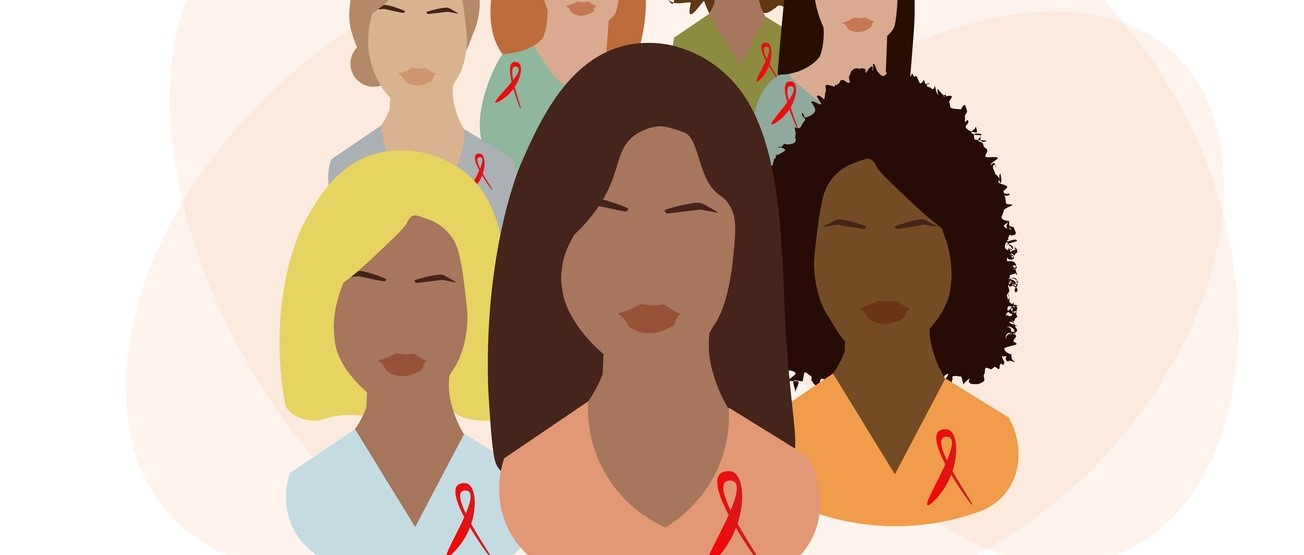
VIH chez les femmes : ce que vous devez savoir
Depuis les premières campagnes publicitaires sur le VIH/SIDA dans les années 1980, le récit du VIH a souvent laissé les femmes en dehors de l'histoire. Pourtant, dans le monde entier, environ 4 900 jeunes femmes âgées de 15 à 24 ans sont infectées par le VIH chaque semaine. Quelles pratiques propagent le VIH chez les femmes ? Et que peut-on faire pour lutter contre cette épidémie ?
par Amberley Davis

Santé sexuelle
Est-il facile de faire un test de dépistage du VIH ?
Vérifier votre santé sexuelle peut être rapide, simple et confortable. Il existe plusieurs options de dépistage du VIH au Royaume-Uni, que ce soit en clinique ou chez vous à domicile. Détecter une infection au VIH le plus tôt possible permet un traitement plus efficace et augmente les chances de récupération complète.
par Amberley Davis
À propos de l'auteurVoir la biographie complète
Rédigé par

Ashwin Bhandari
Rédacteur Médical
Licence en Journalisme
À propos du critique

Joe Crowther
Historique de l'article
Article également disponible en Anglais, Allemand, Espagnol, Français, Italien, Portugais, Hindi, Hébreu, Arabe, and Suédois.
12 sept. 2019 | Publié à l'origine
Écrit par :
Ashwin BhandariRevu par
Joe Crowther
Participez à la conversation
Partagez vos pensées ou expériences avec les autres dans notre communautés de patients.

Demandez, partagez, connectez-vous.
Parcourez les discussions, posez des questions et partagez vos expériences sur des centaines de sujets de santé.

Vous ne vous sentez pas bien ?
Évaluez vos symptômes en ligne gratuitement
Inscrivez-vous à la newsletter Patient
Votre dose hebdomadaire de conseils de santé clairs et fiables - rédigés pour vous aider à vous sentir informé, confiant et maître de la situation.
En vous abonnant, vous acceptez notre Politique de confidentialité. Vous pouvez vous désabonner à tout moment. Nous ne vendons jamais vos données.