Qu'est-ce que le syndrome post-contraceptif ?
Revu par Dr Colin Tidy, MRCGPRédigé par Victoria RawPublié à l'origine 18 Jun 2025
Respecte les directives éditoriales
- TéléchargerTélécharger
- Partager
- Language
- Discussion
- Version audio
- Ajouter aux sources préférées sur Google
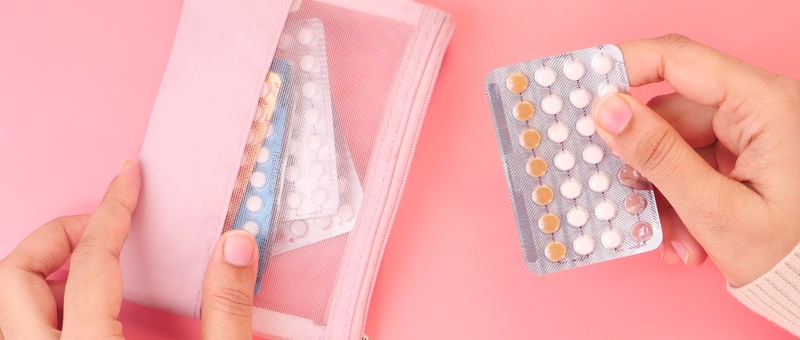
Après avoir arrêté la contraception, vous pouvez remarquer des changements physiques ou émotionnels dans votre corps. Bien que cela ne soit pas officiellement reconnu comme une affection médicale, ces symptômes sont souvent appelés le syndrome post-contraception (SPC).

There are many reasons you might choose to stop taking birth control - whether it's because you can no longer take it, no longer need it, or simply no longer want to.
Gérer le syndrome post-contraceptif - Symptômes et solutions
Debbie Grayson, Pharmacist and Nutritional Therapist, Practice With Confidence, Greater Manchester, UK explains that post-birth control syndrome (PBCS) refers to a collection of symptoms that some people have after discontinuing hormonal contraceptives.
"PBCS is not an officially recognised medical diagnosis, but the symptoms are real and can be distressing," she says. "They typically emerge within four to six months after stopping birth control."
Grayson outlines the most common PBCS symptoms:
Acné.
Règles irrégulières.
Sautes d'humeur.
Perte de cheveux.
You may experience breast tenderness, a decrease in sex drive, and weight gain - though this last symptom could be influenced by various factors unrelated to your birth control.
What causes post-birth control syndrome?
Most forms of birth control work to prevent pregnancy, by releasing synthetic hormones into your body that stop your ovaries from releasing eggs. If there is no egg to be fertilised, then sperm is unable to fertilise it during sex to make a baby.
There are eight types of birth control available in the UK, all of which are free through the NHS. You can access them via your doctor, sexual health clinics, or selected pharmacies.
Birth control options available in the UK
Combined pill - an oral contraceptive that contains both oestrogen and progestogen hormones.
Pilule progestative seule - an oral contraceptive commonly called the 'mini pill', that contains the hormone progestogen.
IUS (intrauterine system) - a small, plastic device, also called a 'hormonal coil', that releases progestogen into your womb.
Implant contraceptif - a small, plastic rod, inserted under the skin of your arm, that contains the hormone progestogen.
Injection contraceptive - an injection that contains the hormone progestogen.
Patch contraceptif - a square patch applied to your skin, that contains the hormone progestogen.
Vaginal ring - a small, plastic ring placed inside your vagina, that releases oestrogen and progestogen hormones.
IUD (intrauterine device) - a device, also known as a 'copper coil', that releases copper into your womb to stop sperm from surviving and fertilising an egg.
After you stop taking birth control, its effects typically disappear within about a month.
Grayson explains, however, that during this time, your body's hormone levels will take some time to adjust.
"This can lead to temporary disruptions," she explains. "Factors such as nutrient depletion, gut health, and hormonal detoxification play roles in this transition."
How is PBCS diagnosed and managed?
As mentioned above, PBCS is not currently recognised as a health condition in the UK. As a result, you cannot seek a formal diagnosis from your doctor, even if you are having symptoms that may be related to it.
However, if you’re having symptoms such as irregular periods, mood swings, acne, fatigue, or digestive issues, it’s important to seek advice from a healthcare professional.
Grayson explains that there are several supportive strategies you can focus on to help restore your body’s natural balance and processes.
Top up on nutrients
Research suggests that hormonal contraceptives may deplete essential nutrients - such as B vitamins, magnesium, zinc, and vitamin C. Replenishing these through a balanced diet or targeted supplements can support your energy levels, mood, and overall hormonal health.
Boost your hormonal balance
Supporting your body’s natural hormone production is key to overall wellbeing.
According to Grayson, you can nurture your hormonal balance by:
Fuelling your body with a nutrient-rich diet - including healthy fats such as omega-3s, plenty of fibre, and quality protein.
Gérer le stress - through mindfulness practices, une bonne hygiène de sommeil, and regular exercise.
Minimising exposure to hormone-disrupting chemicals - by choosing safer skincare, avoiding plastic containers, and using non-toxic household products.
Keep your gut healthy
The health of your gut plays a crucial role in hormone metabolism and detoxification. Maintaining un microbiome intestinal sain can help reduce symptoms such as bloating, acne, and mood swings.
This can be supported by:
Eating probiotic-rich foods - tel que yaourt, kimchi, and kefir.
Increasing your fibre intake.
Avoiding processed foods and excess sugar.
Grayson recommends checking in with a healthcare professional for personalised guidance after stopping birth control.
If you choose to come off it, it's important to tell your doctor so they can support you through the transition and help manage any after-effects.
How long does post-birth control syndrome last?
It can take up to three months for your body to adjust after stopping birth control, and irregular periods during this time are common. However, if your menstrual cycle hasn’t settled after three months or if you’re having symptoms that interfere with daily life - such as painful or heavy periods - it’s important to speak with your doctor. They can offer tailored advice, support and, in some cases, may perform clinical tests or physical examinations to identify the underlying cause of your symptoms.
Sélections des patients pour Contraception
Santé sexuelle
À quoi s'attendre lorsque vous prenez la pilule du lendemain
La pilule du lendemain a fait la une des journaux au cours de l'année écoulée, avec des discussions sur l'accès et le coût qui ont fait la une. Nous révélons les faits sur la contraception d'urgence, et examinons ce à quoi vous pouvez vous attendre après l'avoir prise.
par Sally Turner
Santé sexuelle
Quels types de préservatifs sont les meilleurs pour prévenir la grossesse ?
There are many different condoms to choose from, in a variety of colours, shapes and sizes. A condom helps to prevent sexually transmitted infections (STIs) and, when used correctly, helps protects against pregnancy 98% of the time. But the figures are often not as good in practice because condoms aren't always used correctly.
par Victoria Raw
À propos de l'auteurVoir la biographie complète
Victoria Raw
Auteur de chroniques
Licence (Hons), Littérature anglaise
Victoria est rédactrice de contenu chez Patient, avec des intérêts particuliers pour le bien-être mental, les tendances sociétales et l'impact de la technologie sur notre santé.
À propos du critiqueVoir la biographie complète

Dr Colin Tidy, MRCGP
Médecin généraliste, Auteur médical
MBBS, MRCGP, MRCP (Paediatrics), DCH
Le Dr Colin Tidy est un médecin du NHS, basé dans l'Oxfordshire.
Historique de l'article
Les informations sur cette page sont examinées par des cliniciens qualifiés.
Article également disponible en Anglais, Allemand, Espagnol, Français, Italien, Portugais, Hindi, Hébreu, Arabe, and Suédois.
Next review due: 19 Jun 2028
18 Jun 2025 | Publié à l'origine
Écrit par :
Victoria RawRevu par
Dr Colin Tidy, MRCGP

Demandez, partagez, connectez-vous.
Parcourez les discussions, posez des questions et partagez vos expériences sur des centaines de sujets de santé.

Vous ne vous sentez pas bien ?
Évaluez vos symptômes en ligne gratuitement
Inscrivez-vous à la newsletter Patient
Votre dose hebdomadaire de conseils de santé clairs et fiables - rédigés pour vous aider à vous sentir informé, confiant et maître de la situation.
En vous abonnant, vous acceptez notre Politique de confidentialité. Vous pouvez vous désabonner à tout moment. Nous ne vendons jamais vos données.
Plus sur la santé sexuelle
- Votre pharmacien peut-il vous aider avec votre santé sexuelle ?
- Vidéos sur la contraception
- Démystifier les idées reçues sur le VIH et le SIDA
- Les pilules contraceptives modifient-elles votre comportement ?
- Moyens faciles d'obtenir la pilule : options au-delà du cabinet médical
- À quelle vitesse les différentes IST se propagent-elles ?
- Comment atteindre l'orgasme plus facilement pendant les rapports sexuels
- Est-il facile de faire un test de dépistage du VIH ?
- Clients mystères : Les femmes reçoivent-elles les meilleurs conseils en matière de contraception ?
- Éducation sexuelle pour adolescents : les meilleures ressources numériques pour votre enfant
- Les IST dont vous n'avez jamais entendu parler
- La vérité sur la grossesse après 40 ans
- Vidéo : Dans quelle mesure le SOPK affecte-t-il la fertilité ?
- Qu'est-ce qui peut causer une odeur vaginale après un rapport sexuel ?
- Ce que la dysfonction érectile pourrait signifier pour votre cœur
- À quoi s'attendre lorsque vous prenez la pilule du lendemain
- Ce que vous devez savoir avant de prendre des médicaments pour la dysfonction érectile
- Quel est l'avenir de la contraception ?
- Qui devrait prendre le médicament de prévention du VIH PrEP ?
- Aurons-nous un jour une pilule contraceptive masculine ?