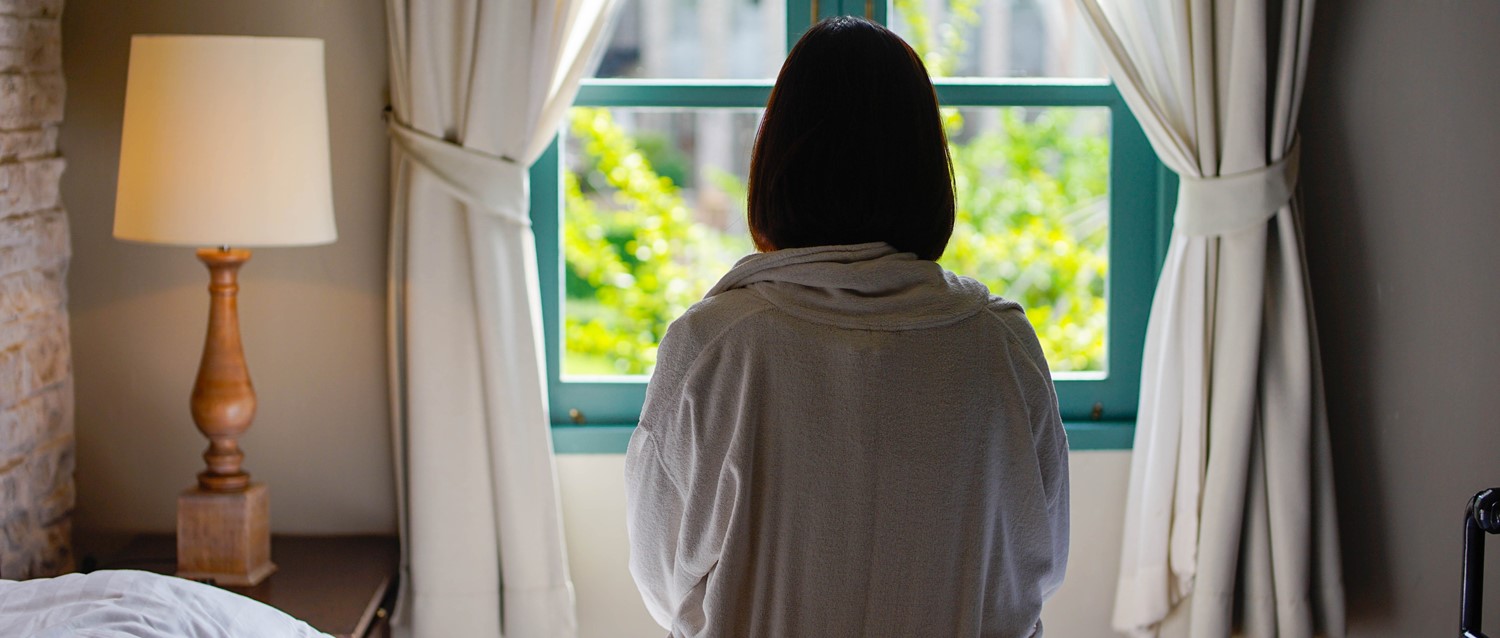
What to do after rape or sexual assault
Peer reviewed by Dr Sarah JarvisAuthored by Sarah GrahamOriginally published 6 Apr 2018
Meets Patient’s editorial guidelines
- DownloadDownload
- Share
- Language
- Discussion
- Audio Version
- Add to preferred sources on Google
Nearly half a million adults are sexually assaulted every year in England and Wales, and roughly 11 an hour are raped – the majority of them women.
Recent activism, like #MeToo and the Time's Up campaign, has shone a light on the prevalence of sexual violence globally. But, if you've suffered this kind of attack, dealing with the aftermath can still be an incredibly lonely and frightening time.
Consent
Indeed, despite this growing conversation, pervasive attitudes towards sexual consent mean it's not uncommon for victims to feel disbelieved, or blamed in some way for what's happened to them. Some may even dismiss and diminish their own experiences, or question whether it really constitutes a sexual assault.
If you're in doubt, "sexual assault is any act of physical, psychological, and/or emotional violation of a sexual nature that's inflicted on you without your consent," says Katie Russell from Rape Crisis England & Wales.
"You give your consent when you agree by choice and have the freedom and capacity to make that choice. That means that if you're very drunk, asleep or unconscious, or if you've been threatened, coerced or bullied into saying 'yes' to something, you haven't consented," she explains.
"You have the right to give, take back, or refuse your consent at any time," Russell adds. "Just because you've consensually done something with someone before, or they're your partner, does not mean they can assume you'll consent on another occasion."
What to do after a sexual assault
If you have been sexually assaulted, Russell says: "The most important thing is to try to be somewhere you feel safe. You might be in shock, so try to stay warm, and see if someone you trust can be with you."
Talking about what's happened can be really helpful, and it's up to you who you're most comfortable opening up to. It could be a friend, relative, or trusted health professional - or you may prefer to contact your local Rape Crisis centre, or call the national Rape Crisis helpline on 0808 802 9999.
Remember, Russell says, that: "Whether or not you want to report to the police is entirely your own decision, and might not feel like something you're ready to think about right now - but, if it's something you're considering, you might want to preserve any forensic evidence."
It's worth remembering that if you do go to the police, the sooner you attend, the greater the chance of getting meaningful forensic evidence.
Likewise, she adds, if you're in need of urgent medical attention, in the UK you should call 999 (or 112 from a mobile), or get yourself to the nearest A&E Department for treatment.
How to access support
Medical, practical, legal and emotional support is available through sexual assault referral centres (SARCs). You can self-refer to these services or, alternatively, you can seek support from the police, your local GP surgery, A&E or sexual health clinic, or a sexual violence charity, and they may refer you if appropriate.
Many SARCs and sexual violence charities also have independent sexual violence advisers (ISVAs) on hand, who are specially trained to offer support and guide you through the aftermath.
Sophie* was referred to her local SARC after reporting her sexual assault to the police. While there, she spoke with a detective and was given a forensic examination. Later, she says: "I went to a sexual health clinic for a few check-ups, and contacted [local organisation] The Bridge, to talk about my feelings with someone on the phone."
Sophie was also assigned an ISVA who, she says, was a great support. "I had a female ISVA who I could talk to, and she came to my home to see me quite a few times," she explains. "I wanted to access some more emotional support too, but the waiting time for counselling was too long, and there was only one support group available, which I couldn't get to."
Sadly, the availability and quality of support can be a bit of a lottery. "The police let me down badly, and I felt I didn't have any support at all from them," says Adele*. "I had to arrange medical care through my GP, and it wasn't until I put a complaint in to the police that I was finally referred to SARC, four weeks after I'd been raped."
Instead, Adele was primarily supported by her parish nurse (the community nurse attached to her local church), and says: "Just having someone there for you is the most important thing. I would never have got through it without her."
Processing the emotional trauma
Whatever you or your loved one decide with regard to medical treatment and reporting the attack to the police, the emotional repercussions of being sexually assaulted can have a huge impact on your life.
"It's such a lonely place to be, surviving after a rape or sexual assault. My advice to anyone in the position I was in is to be brave, stay strong, and give the police as much evidence as you can. Push hard for support, or let friends and family help you if they can, and don't keep your feelings to yourself," says Adele.
"If you can't talk, writing about how you feel can really help," she adds. "Don't blame yourself, and don't let the person who hurt you ruin your life. It is so easy to do when you feel so alone with it all, but you're worth more than what has happened to you."
Many people, including Sophie, also find self-help techniques useful, like practising mindfulness, grounding or relaxation techniques, and breathing exercises.
Whatever works for you, the key advice from Rape Crisis is: try to remember that this was not your fault. "You might feel numb, angry, emotional, confused … However you feel is OK, real and valid," Russell says. "There's no right or wrong when it comes to your feelings, but you are not responsible for other people's behaviour, and you are not alone."
Supporting a loved one
If you're supporting a loved one who's been sexually assaulted, Russell adds: "The number one thing is to listen and believe. Don't ask a lot of questions, as this can come across as disbelieving or judging them, and try not to pressure them into taking any specific course of action."
Visit Rape Crisis for more information and advice about supporting a loved one who has been raped or assaulted.
You may find our Sexual Assault leaflet useful too.
* Names have been changed to protect identities.
Patient picks for General sexual health
Sexual health
Preparing for your smear test as a survivor of sexual violence
"I remember a viral tweet a few years ago that said: 'If you don't go for your smear test, you're stupid. It takes minutes and it can save your life'," recalls 41-year-old Sam*. "Everyone was retweeting it but it was so overly reductive that, as a survivor of sexual violence, it was difficult to read. I mean, sure, it does take minutes, and it's usually fine, but I knew it wasn't ever that simple."
by Sarah Graham

Sexual health
What it's like to be a recovering sex addict
As of July, compulsive sexual behaviour is now officially recognised as a medical condition by the World Health Organization (WHO). More commonly generalised as 'sex addiction', the disorder is a complex one, difficult to define and to diagnose. While the idea of being addicted to sex is both mocked and sensationalised in media and popular culture, the condition can in fact be debilitating for sufferers - and the shame and stigma only make matters worse.
by Sarah Graham
About the authorView full bio
Authored by

Sarah Graham
Freelance health journalist
MA, Newspaper, Journalism
Sarah Graham is an award-winning freelance health journalist, and founder of the feminist women's health blog Hysterical Women.
About the reviewerView full bio

Dr Sarah Jarvis
Clinical Consultant
MA (Cantab), BM, BCh (Oxon), DRCOG, FRCGP, MBE
After training in medicine at Cambridge and Oxford, Dr Sarah Jarvis MBE became a GP.
Article history
Article also available in English, German, Spanish, French, Italian, Portuguese, Hindi, Hebrew, Arabic, and Swedish.
6 Apr 2018 | Originally published
Authored by:
Sarah GrahamPeer reviewed by
Dr Sarah Jarvis
Join the conversation
Share your thoughts or experiences with others in our patient communities.

Ask, share, connect.
Browse discussions, ask questions, and share experiences across hundreds of health topics.

Feeling unwell?
Assess your symptoms online for free
Sign up to the Patient newsletter
Your weekly dose of clear, trustworthy health advice - written to help you feel informed, confident and in control.
By subscribing you accept our Privacy Policy. You can unsubscribe at any time. We never sell your data.