
Common skin complaints: understanding tinea versicolor
Peer reviewed by Dr Krishna Vakharia, MRCGPAuthored by Amberley DavisOriginally published 11 Nov 2022
Meets Patient’s editorial guidelines
- DownloadDownload
- Share
- Language
- Discussion
- Audio Version
- Add to preferred sources on Google
If you've noticed a rash of patchy colours develop on your skin, you may have tinea versicolor - which also goes by the name pityriasis versicolor. This common skin condition can happen to anyone, no matter how healthy and fit they are, and can be managed with various treatments.
What is tinea versicolor?
Tinea versicolor, or pityriasis versicolour, is a common fungal infection in which the normal skin colour is affected, known as your skin's pigmentation.
This skin condition affects between 1% and 40% of the population, with the higher percentage of cases living in warmer and more humid climates1. Aside from being relatively common, you may have also heard of tinea versicolor through reality TV star Molly-Mae Hague, who took to social media to describe how it has affected her self-confidence.
While this skin complaint may result in stress and self-consciousness, it doesn't hurt or cause any physical damage beyond the rash.
Tinea versicolor is caused by an overgrowth of yeast - tiny harmless organisms that live on everybody's skin. Some people are more prone to the yeast on their skin multiplying - which triggers this skin disease but causes no harm to a person's health2.
How to identify tinea versicolor
The symptoms of tinea versicolor are mainly visual, although some people may experience mild itchiness. Consultant dermatologist Dr Simon Zokaie describes the signs to look out for:
"Tinea versicolor results in patches of discoloured skin that can either appear lighter (hypopigmentation) or darker (hyperpigmentation) to the rest of your skin. Usually, they develop gradually and build up to create larger patches. This condition often affects the shoulders, back, and top of the chest."
On light skin - discoloured patches are usually red, pink, or pale brown.
On dark skin - discoloured patches tend to be paler than the surrounding skin.
How to treat tinea versicolor
Doctors can treat tinea versicolor with antifungal creams, tablets, and shampoos. "These treatments are usually very effective at treating the condition," says Dr Zokaie.
Your FAQs
Is tinea versicolor contagious?
Tinea versicolor is not contagious. The main risk factors are having a weakened immune system, often resulting from illness or pregnancy, and using certain medications, such as antibiotics or birth control pills.
Can tinea versicolor cause hair loss?
There is evidence that this skin condition can also cause some people to lose hair - but only directly in the areas of patchy, discoloured skin. In one study, this happened to around 60% of 39 participants3. This hair loss was most common on the forearms, stomach, neck, as well as the beard area in the men.
Can tinea versicolor go away on its own?
Tinea versicolor is much more common in hot and humid climates, which suggests that cooler weather can significantly improve the infection. However, it usually doesn't completely disappear without a course of treatment.
Can tinea versicolor be cured?
Treatment can completely clear up the rash, although it can take several months for your skin tone to return to normal. However, tinea versicolor is a long-term condition, and the problem often returns. According to the National Institute for Health and Care Excellence (NICE), it may return in up to 60% of people in the first year after treatment and up to 80% after two years4.
However, there are some useful methods to help prevent tinea versicolor from returning. One option is to continue using the specialist shampoo after your rash has cleared up - once every 2-4 weeks should be enough. Alternatively, if you find that your rash returns on a regular basis, your doctor may advise you to continue with a course of antifungal tablets.
Remember, if the appearance of tinea versicolor is getting you down, causing stress, or affecting your confidence, talking with friends and family can help.
Speaking to our loved ones can often help us to see things from a more positive perspective, as well as show us how little people notice things we may worry about.
Further reading
Patient picks for Skin rashes
Skin, nail and hair health
Rosacea treatments: which is right for you?
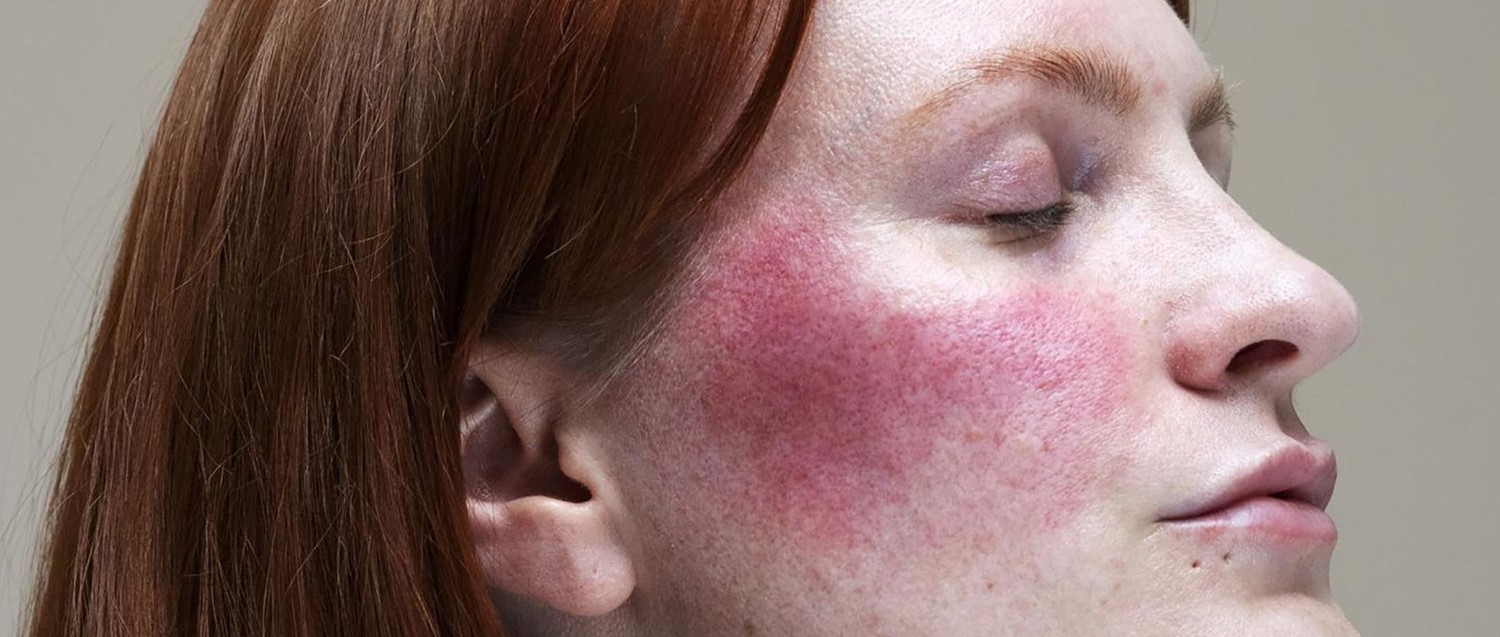
Living with rosacea can be difficult. It can be a great source of stress and really impact your quality of life when you have to deal with any facial skin problems. Sadly, 10% of the population experience this skin condition, but the good news is that there are many treatment options. The right one for you will depend on which symptoms you have.
by Amberley Davis

Skin, nail and hair health
What to do when your child has a rash
As a parent, it's hard not to panic when your child develops a rash. But these disturbing skin flare-ups are often nothing to worry about. Follow our troubleshooting guide to see what to do about your child's rash.
by Gillian Harvey
About the authorView full bio
Authored by

Amberley Davis
Senior writer
BA (Hons), CPD
Amberley is a senior writer with Patient and has written extensively on a range of health and wellbeing topics.
About the reviewerView full bio

Dr Krishna Vakharia, MRCGP
Chief Medical Officer for Health, Optum UK
MBChB, MRCGP(2013), BMedSci (hons), DFSRH, DRCOG, PGDipDerm (Distn)
Dr Krishna Vakharia is an NHS GP. She is also a regular examiner for the postgraduate Diploma in Practical Dermatology at Cardiff University as well as being the Chief Medical Officer for health at Optum UK.
Article history
Article also available in English, German, Spanish, French, Italian, Portuguese, Hindi, Hebrew, Arabic, and Swedish.
11 Nov 2022 | Originally published
Authored by:
Amberley DavisPeer reviewed by
Dr Krishna Vakharia, MRCGP
Join the conversation
Share your thoughts or experiences with others in our patient communities.

Ask, share, connect.
Browse discussions, ask questions, and share experiences across hundreds of health topics.

Feeling unwell?
Assess your symptoms online for free
Sign up to the Patient newsletter
Your weekly dose of clear, trustworthy health advice - written to help you feel informed, confident and in control.
By subscribing you accept our Privacy Policy. You can unsubscribe at any time. We never sell your data.