Mounjaro weight loss injections: FAQs
Peer reviewed by Dr Colin Tidy, MRCGPAuthored by Dr Nienke LeesOriginally published 16 Apr 2026
Meets Patient’s editorial guidelines
- DownloadDownload
- Share
- Language
- Discussion
- Audio Version
- Add to preferred sources on Google
While weight loss injections such as Mounjaro can be incredibly helpful for some people, they’re also just one piece of the puzzle when it comes to long-term metabolic health.
Understanding what they can and can’t do, and how they work, can help guide your decision-making if you’re thinking about trying them.
Here are answers to some of the most common questions patients ask about Mounjaro.
Need weight loss treatment?
Start a quick online consultation through Patient.info, available 24/7.
Reviewed by UK-registered clinicians and powered by Evaro, a UK-regulated healthcare service. Treatment can often be delivered next day.

How does Mounjaro work?
Mounjaro works by mimicking two natural hormones in your body:
GLP-1 (glucagon-like peptide-1).
GIP (glucose-dependent insulinotropic polypeptide).
These hormones are released after you eat and help regulate both blood sugar and appetite.
When Mounjaro is injected, it activates the same receptors as these hormones, which:
Helps control blood sugar by increasing insulin and reducing sugar release.
Slows digestion so you feel fuller for longer.
Reduces appetite and cravings.
Increases insulin release when blood sugar is high.
Reduces in the amount of sugar released by the liver.
Slows down the rate in which food leaves the stomach.
Makes you feel full sooner and for longer.
Reduces appetite and cravings.
“Weight regulation is about so much more than willpower. What’s brilliant about Mounjaro is that it works by addressing the underlying complex processes that influence hunger, metabolism, and energy balance.”
- Dr Nienke Lees, Women's Health Service Lead, Genwell
One of the most noticeable impacts of Mounjaro is on what is often called “food noise” - the constant background thoughts about food, cravings, and snacking that can make weight management feel exhausting.
By reducing that food noise, Mounjaro can create a sense of mental space around food, allowing you to make more intentional choices about what and how much you eat. Many people don’t realise quite how much mental energy food thoughts take up until they suddenly quieten down.
"For the first time in years, food isn’t constantly in my head. I still enjoy meals, but I’m not thinking about what I’m going to eat next all day.”
- Alex, Mounjaro user
How quickly does Mounjaro work?
Many people notice changes in appetite within the first few weeks of starting Mounjaro.
Although you might be hoping for rapid and dramatic weight loss, it’s actually far safer for significant weight loss to happen more gradually, and this is what you’re most likely to see.
Don’t be surprised if your weight loss doesn’t follow a perfectly straight line either. It’s completely normal for progress to ebb and flow, with periods of steady loss followed by plateaus.
Caveats aside, Mounjaro can definitely help you achieve significant weight loss. In clinical trials, people taking Mounjaro lost around 15–21% of their body weight over 72 weeks.1
“The aim isn’t the fastest possible weight loss. What we’re really looking for is sustainable improvement in metabolic health - weight, blood sugar, energy levels, and how someone feels in their body.”
- Dr Nienke Lees
What can I expect in the first week of taking Mounjaro?
The first week of treatment is usually about getting used to the medication.
Whilst you might notice changes in your appetite almost immediately, some people find the effect more noticeable after a few weeks or once their dose increases.
In the early days you are likely to experience:
Feeling full more quickly.
Reduced interest in snacks or foods that you previously found hard to resist.
Quieter “food noise”.
Mild nausea (feeling sick) or digestive changes.
If you have struggled with your weight for a long time you might be surprised by how dramatic the shift in appetite can feel.
Weight loss itself may or may not occur immediately. In the early weeks the main aim is to allow your body to adapt to the medication.
“I really noticed the change when I walked past a tray of biscuits at work and simply didn’t feel particularly interested. I can’t remember the last time that happened!”
- Beth, Mounjaro user
Is Mounjaro safe for weight loss?
For most people, Mounjaro is safe to use for weight loss when prescribed and monitored by a healthcare professional.
Large clinical trials involving thousands of participants have shown significant weight loss and improvements in metabolic health.1
However, like any medication, safety depends on appropriate prescribing, careful dose adjustments, and ongoing monitoring.
Ideally before starting treatment, a doctor will review your:
Medical history.
Current medications.
Possible risk factors.
Long-term goals .
This matters because GLP-1-based treatments are not simply “weight-loss injections”. They are part of a broader medical approach to improving metabolic health, which may include support with nutrition, activity, sleep, and behaviour change.
“These medications work best when they’re part of a holistic and personalised treatment plan. Reviewing medications, supporting nutrition, and helping patients build sustainable habits all make a real difference to long-term success.”
- Dr Nienke Lees
Why do you have to increase the Mounjaro dose?
Mounjaro treatment usually begins with a low starting dose which is then gradually increased in a process called titration.
Starting on a low dose helps your body adapt to the medication and reduce the likelihood of unpleasant side effects such as nausea, but it means you don’t use a higher dose than necessary.
Dose increases typically happen every four weeks, although this should be adjusted depending on you respond.
It’s important to remember that not everyone needs to use the highest dose.
The right dose for you depends on several factors, including:
Appetite control.
Rate of weight loss.
Side effects.
Ability to maintain adequate nutrition.
Sometimes a higher dose may be appropriate if you’re not experiencing adequate appetite suppression. However, many people achieve excellent results at lower doses without a need to increase significantly.
Finding the right dose is therefore a clinical decision best made with medical guidance, rather than simply escalating automatically.
How do you use a Mounjaro pen?
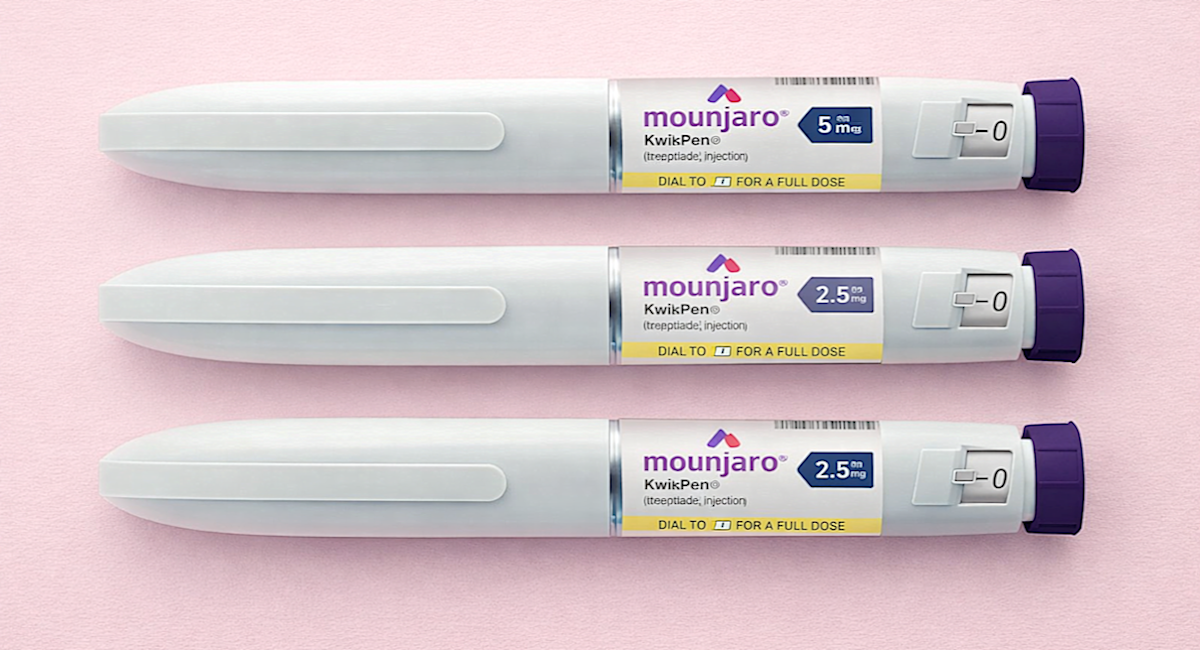
Mounjaro is given as a once-weekly injection using a pre-filled KwikPen. Each pen contains four doses, meaning one pen typically lasts four weeks.
The injection process is straightforward. To use a Mounjaro pen:
Remove the pen cap and attach the needle.
Twist the dial and prime the pen to prepare the dose for injection.
Place the pen against the skin.
Press the injection button.
Hold the pen in place until the dose is delivered.
Your clinician or pharmacist will normally demonstrate how to use the pen before your first injection, and there will be clear instructions in the patient information leaflet that comes with the pen.
Pens should be stored in the refrigerator before first use. Once in use, Mounjaro KwikPens can be kept in the refrigerator or at room temperature for up to 30 days.
What is the Mounjaro “golden dose”?
The "golden dose" usually refers to leftover medication in the pen after the four intended doses have been used.
Some people attempt to extract this extra liquid to create an additional injection. However, this is not recommended.
The additional liquid is included by the manufacturer to ensure that each of the four intended doses is delivered accurately. Attempting to extract it can result in an unmeasured and potentially unsafe dose.
Pens should always be used only as instructed.
Where is the best place to inject Mounjaro?
Mounjaro is designed to be injected into the fatty layer we all have just under the skin.
Common injection sites include:
Abdomen (at least 5 cm away from your belly button).
Thigh.
Upper arm.
Rotating injection sites is recommended as it helps reduce the chance of irritation, bruising, and lipohypertrophy (changes in the fat layer under the skin).
What medicines can you not take with Mounjaro?
Many medications can be taken safely alongside Mounjaro, but some require additional monitoring.
Insulin and sulfonylureas
These diabetes medications can increase the chance of hypoglycaemia (low blood sugar) when used alongside Mounjaro. You might need to reduce your usual dose, so it’s important to speak with a doctor before starting treatment and as your weight loss progresses.
Medicines affected by slower stomach emptying
Because Mounjaro slows gastric emptying, it can affect how quickly some medicines are absorbed.
These include:
Thyroid medications – such as levothyroxine. You might need more frequent monitoring blood tests whilst using Mounjaro. This way your doctor will be able to advise whether you need to have your dose adjusted.
Oral contraception and oral HRT - when starting Mounjaro or increasing the dose, absorption of oral hormones may be reduced. You might therefore be recommended to temporarily increase your hormone dose, use barrier contraception (such as condoms) or non-oral contraception (implants, coils, and depot injections).
Mounjaro is a prescription only medication and you should always tell your usual doctor about all medications and supplements you are taking.
The good news is that as your weight and metabolic health improve, you might find that you are able to reduce or stop other medications altogether. This should always be guided by your doctor.
What are the most common Mounjaro side effects?
The most common side effects are digestive symptoms, particularly when starting treatment or increasing the dose, but you may also notice some other side effects.
These may include:
Reduced appetite.
Indigestion, burping, and farting.
Tiredness or a feeling of mild weakness.
Dizziness or low blood pressure.
Hair thinning or loss.
For most people these symptoms are mild and temporary, improving as the body adapts.
However, support can be helpful if symptoms are taking longer to settle or are marked. You might benefit from dietary guidance, slower dose increases, or occasionally short-term medications to manage symptoms.
If symptoms are severe or persistent, individual medical assessment is important to make sure it’s still safe for you to use your medication.
“Most side effects occur early on and settle as the body adjusts. Having access to medical advice during dose changes can make the process much more comfortable.”
- Dr Nienke Lees
What are the long-term side effects of Mounjaro?
Long-term research into Mounjaro is ongoing, but current evidence suggests it is generally well tolerated.2
Many of the long-term side effects are actually beneficial, including:
Improved blood sugar control.
Reductions in body weight.
Improvements in cholesterol and blood pressure.
Reduced cardiovascular disease risk factors.
There are also some rare but serious risks that clinicians monitor for, including:
Gallbladder disease.
Hypoglycaemia (very low blood sugar).
Rare vision complications such as non-arteritic anterior ischaemic optic neuropathy (NAION).
These risks are uncommon, but they highlight why ongoing medical supervision is important during treatment.
Can you drink alcohol on Mounjaro?
You can drink alcohol whilst using Mounjaro. However, some side effects of Mounjaro and alcohol can overlap, so it’s best to avoid it if you can, or stick to a low level of drinking.
In any case you might find that your relationship with alcohol changes while using Mounjaro. One of its effects is to alter the brain’s reward pathways, and you might notice a reduced desire for alcohol as well as food.
Many people end up drinking less without consciously trying to, which can bring additional health benefits such as improved sleep and metabolic health.
What can I eat on Mounjaro?
There isn’t a specific “Mounjaro diet.” You might find that as your appetite reduces, your food choices naturally shift as well to include smaller portions and fewer snacks.
Eating smaller amounts more frequently, sometimes known as snackification, may also become a more natural eating pattern when your appetite is reduced.
It’s especially important when you’re eating less to focus on the quality of your food and to ensure that it is nutrient-dense.
A good place to start is to prioritise:
Protein - to help preserve muscle mass.
Fibre - to support gut health and fullness.
Wholefoods - such as vegetables, fruits, legumes, and whole grains.
Rather than strict dieting, many people use their time on Mounjaro to develop a more balanced and sustainable relationship with food.
Why am I not losing weight on Mounjaro?
If you’re not losing weight on Mounjaro or your weight loss isn’t progressing at a rate you’d expected, it’s often worth stepping back and looking at the bigger picture rather than focusing solely on the scale.
Possible reasons include:
Not yet reaching an effective dose.
Temporary plateaus.
Changes in body composition (fat loss with muscle gain).
Hormonal or metabolic factors.
Sometimes people are making meaningful progress in metabolic health or body composition, even if the scale changes slowly. Other times, it might be that other factors – such as stress, poor sleep, or medications – that need to be addressed in order for weight loss to occur.
Regular check-ins with a clinician can help assess progress and adjust treatment if needed, and having lifestyle support whilst you use Mounjaro means you are more likely to reach your weight and health goals.3
Does Mounjaro affect fertility?
Mounjaro itself is not a fertility treatment, but improving metabolic health and weight can sometimes improve fertility.
Obesity and insulin resistance can disrupt hormone balance and ovulation, as is often seen in conditions such as PCOS. Due to the weight loss and improvement in insulin sensitivity associated with Mounjaro use, women using Mounjaro often find that their fertility improves too.
If you are planning to conceive, it is usually advised that you stop using Mounjaro at least two months beforehand to allow it to be cleared from your body. So whilst you might wish to become pregnant in the future, it is important that you use contraception whilst using Mounjaro.
Can I take Mounjaro if I’m pregnant?
No, Mounjaro is not recommended during pregnancy. This is primarily because there isn’t sufficient safety data assessing the potential impact on a baby.
If you become pregnant while taking Mounjaro, speak to your healthcare provider as soon as possible.
What happens when you stop taking Mounjaro?
Like most weight-management treatments, Mounjaro works while you are taking it.
If you stop taking Mounjaro suddenly, your appetite signals can gradually return to previous patterns and you may regain weight.
This is why many clinicians focus on supporting the whole person during treatment, not just the number on the scale.
Developing sustainable habits, improving metabolic health, and embedding new lifestyle patterns can help maintain results once you stop using Mounjaro, so that weight regain isn’t inevitable.
One of the most valuable parts of treatment can be the time it creates to reset habits - learning what it feels like to eat in response to hunger rather than constant cravings.
Some treatment plans include a maintenance phase, where medication doses are gradually adjusted while these changes stabilise.
For some people longer-term treatment may be appropriate. For others, a structured plan to reduce or stop medication over time can work well.
Having medical guidance and behavioural support during this transition can make a significant difference to long-term success.
“For many people, the real opportunity during treatment is building new patterns around food, activity, and health. Medication can provide a powerful push — but long-term success comes from what happens alongside it.”
- Dr Nienke Lees
Is Foundayo oral Mounjaro?
No, Foundayo (orforglipron) is not oral Mounjaro. Although both medications are made by Eli Lilley, they are not the same medication in different formats.
Summary
Mounjaro can be a powerful tool for improving weight and metabolic health.
Understanding how it works and what to expect can help you make an informed decision about whether it’s right for you.
Dr Nienke Lees, Women's Health Service Lead at Genwell, is the original author of this article.
Patient picks for Obesity and weight loss

Healthy living
10 daily habits for healthy weight loss
Balancing a busy schedule with weight loss goals can feel overwhelming. But the good news is that small changes can make a big difference. Experts agree that introducing simple steps to your daily routine can help you lose weight healthily.
by Victoria Raw

Treatment and medication
What happens when you stop taking weight loss injections?
We look at what happens when you stop weight loss injections. What lifestyle changes you might need to make and how to minimise your chance of regaining weight once the treatment ends.
by Victoria Raw
Frequently asked questions
What is 'food noise' and how does Mounjaro help with it?
'Food noise' refers to the constant background thoughts about food, cravings, and snacking that can make managing your weight feel very difficult. Mounjaro helps to quieten this by reducing appetite and cravings, helping you to feel fuller for longer. This creates mental space around food, allowing for more intentional choices about what and how much you eat.
Does Mounjaro affect fertility and can I get pregnant while taking it?
While Mounjaro itself is not a fertility treatment, improving metabolic health and weight, which Mounjaro can help with, sometimes improves fertility. This is often seen in conditions like PCOS where obesity and insulin resistance can disrupt hormone balance. However, Mounjaro is not recommended during pregnancy due to insufficient safety data. If you are planning to conceive, it's advised to stop Mounjaro at least two months beforehand. Therefore, it's important to use contraception while you are taking Mounjaro.
What happens if I stop taking Mounjaro?
If you stop taking Mounjaro, your appetite signals can gradually return to previous patterns, and you may regain weight. To help maintain results, it's beneficial to develop sustainable habits, improve metabolic health, and embed new lifestyle patterns during treatment. Some treatment plans include a maintenance phase where medication doses are gradually adjusted, or a structured plan to reduce or stop medication over time with medical guidance and behavioural support.
Are there any long-term health benefits of taking Mounjaro beyond weight loss?
Yes, current evidence suggests Mounjaro offers several long-term health benefits. These include improved blood sugar control, reductions in body weight, improvements in cholesterol and blood pressure, and a reduced risk of cardiovascular disease factors. These positive effects highlight Mounjaro's role in a broader approach to improving metabolic health.
Can I drink alcohol while using Mounjaro?
You can drink alcohol while using Mounjaro, but it's best to be mindful. Some side effects of Mounjaro, like nausea or dizziness, can overlap with those of alcohol. You might also find your relationship with alcohol changes, as Mounjaro can alter the brain’s reward pathways, leading to a reduced desire for alcohol, which can bring additional health benefits.
What should I eat while taking Mounjaro?
There isn't a specific 'Mounjaro diet.' As your appetite reduces, you might naturally choose smaller portions and fewer snacks. It's especially important to focus on nutrient-dense, quality food. Prioritise protein to help preserve muscle mass, fibre for gut health and fullness, and wholefoods like vegetables, fruits, legumes, and whole grains. This approach helps develop a more balanced and sustainable relationship with food.
Further reading and references
- Jastreboff et al: Tirzepatide Once Weekly for the Treatment of Obesity.
- Frías et al: Tirzepatide versus Semaglutide Once Weekly in Patients with Type 2 Diabetes
- Johnson et al: Digital Engagement Significantly Enhances Weight Loss Outcomes in Adults With Obesity Treated With Tirzepatide: Retrospective Cohort Study of a Digital Weight Loss Service
About the authorView full bio
Authored by

Dr Nienke Lees
Women's Health Service Lead
MB BChir, MA, MRCS(ENT), DOHNS, MRCGP, LMCA
Dr Nienke Lees is the Women's Health Service Lead at Genwell.
About the reviewerView full bio

Dr Colin Tidy, MRCGP
General Practitioner, Medical Author
MBBS, MRCGP, MRCP (Paediatrics), DCH
Dr Colin Tidy is an NHS Doctor, based in Oxfordshire.
Article history
Article also available in English, German, Spanish, French, Italian, Portuguese, Hindi, Hebrew, Arabic, and Swedish.
Next review due: 16 Apr 2029
16 Apr 2026 | Originally published
Authored by:
Dr Nienke LeesPeer reviewed by
Dr Colin Tidy, MRCGP
Join the conversation
Share your thoughts or experiences with others in our patient communities.

Ask, share, connect.
Browse discussions, ask questions, and share experiences across hundreds of health topics.

Feeling unwell?
Assess your symptoms online for free
Sign up to the Patient newsletter
Your weekly dose of clear, trustworthy health advice - written to help you feel informed, confident and in control.
By subscribing you accept our Privacy Policy. You can unsubscribe at any time. We never sell your data.