How to get the most out of video physiotherapy
Peer reviewed by Dr Sarah JarvisAuthored by Gillian HarveyOriginally published 23 Jun 2020
Meets Patient’s editorial guidelines
- DownloadDownload
- Share
- Language
- Discussion
- Audio Version
- Add to preferred sources on Google
You need to see a physiotherapist, either for a new injury or an ongoing condition. But during the coronavirus pandemic, an in-person appointment might be off the cards. However, many physiotherapists are now offering online appointments via video.
So how do online appointments work? And how can we ensure we get the most out of them?
What information will my physio need?
If you've booked a remote physio appointment, it's important to prepare just as you would for an ordinary consultation. This includes making sure you've covered all aspects of your problem to ensure the physiotherapist has a full picture. "Jot down a timeline of everything you can think of that might be relevant, including every significant injury or broken bone from the past. This will prove really useful," advises London-based physiotherapist Nell Mead.
How should I prepare the space?
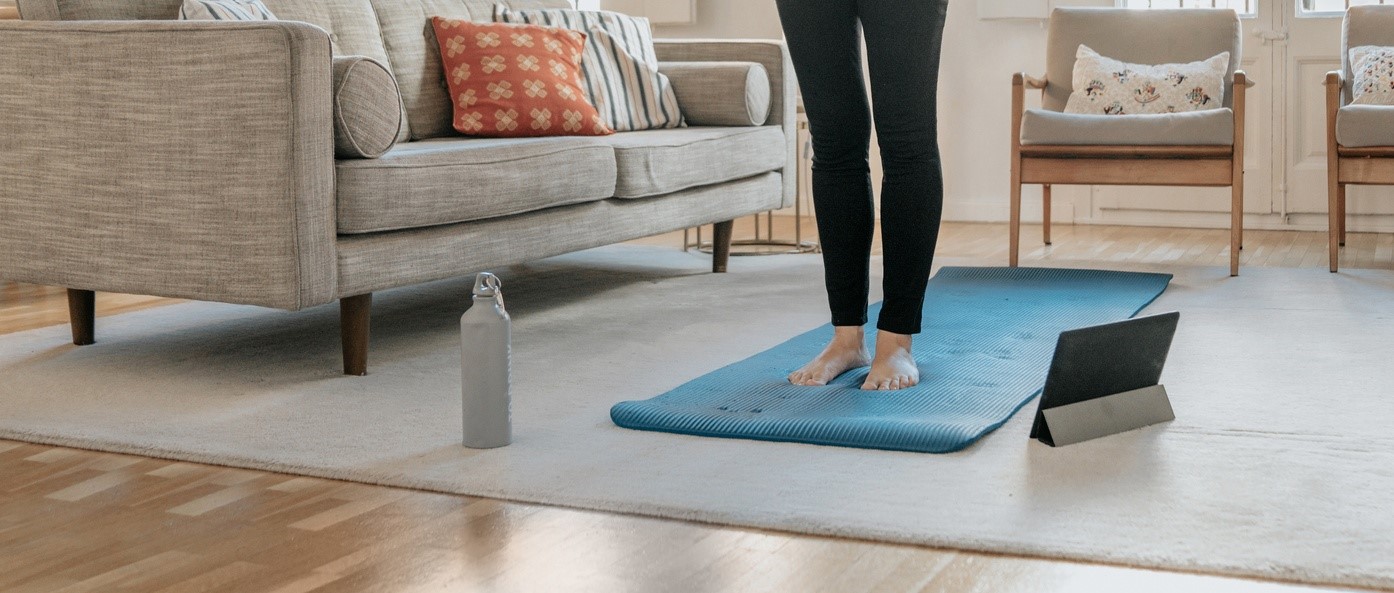
We're used to video calls just focusing on our face and shoulders, but your physio will need to observe you moving and is likely to want to see your entire body during exercises or when asking you to perform certain movements.
"You don't need any equipment, but you need to make sure you clear enough space so that I can watch you move," agrees Mead. "It's helpful if you test your webcam first so that you know if you stand back, the physiotherapist will be able to watch you move. It also helps if you have somewhere you can lie down, where I can still see you on screen."
Personal trainer Mollie Millington is accustomed to regular physio appointments. "I have Achilles tendinopathy in both feet," she explains. "So I've been regularly going to physiotherapy for over two years. I have a rehab plan and was going to stick with that, but then my practice started offering online appointments.
"I normally have 30-minute sessions, so made sure I was ready, and made sure I was wearing the right clothes. I cleared some space because I didn't know what they were going to do. I made sure there was room to do squats or jumps if they needed me to," says Millington.
Is video physiotherapy effective?
With physiotherapy often being a hands-on practice, can online physio really help in the same way? "The main difference is that the physiotherapist will be unable to touch them," says Mead. "But we can talk about when they are sore, and I can get them to replicate movements to see what might be going wrong. For example, if they have pain when they sit down, I will need to know how they do a squat."
"My appointment was with a new physiotherapist from my usual clinic," says Millington. "I was dubious at first but thought I'd try. She spoke about my injuries; then she had me move the camera from the table to the floor. She then watched me do squats and had me turn my feet to see what my range of motion was. Every exercise, I moved the camera so she could see.
"It was the same in terms of assessing my range of motion and my injury and finding appropriate exercises. She tweaked the plan that I had, and she helped me prioritise my exercises to fit with my time during lockdown - giving me shorter or longer options depending on the time I had."
What if my injury is severe or complex?
While Mead believes that online physiotherapy is around 80% as effective as an in-person appointment, there will be some patients who require hands-on treatment. In these instances, while an initial appointment will be carried out online, the physiotherapist can still offer an in-person appointment, with careful hygiene practices.
"We're allowed to treat patients in person if necessary, but we need to assess over the phone or the screen and make a decision as to whether the risk of coronavirus is outweighed by the necessity for treatment," explains Mead.
"If an in-person appointment is indicated, I have to ask them a series of questions to establish risk. For the appointment, I will wear a mask, the patient will wear a mask, and I'll also wear gloves and an apron."
Should I try it?
While the idea of a video appointment may seem a little daunting, or you may doubt its effectiveness in your particular case, Mead advises trying the method rather than leaving an injury that may worsen or cause continuing discomfort. "At least try something online rather than leaving it," she says. "If you're already in treatment, try to keep it up if you can."
"Physical manipulation would be helpful," says Millington. "But physiotherapists are trained to observe, so online appointments can still be beneficial. And the great thing is you can access your physio from anywhere in the world." You can even book a video physiotherapy session on Patient Access, no matter where you are in the UK.
Patient picks for Physiotherapy

Treatment and medication
Signs you might need physiotherapy
Everyone gets aches and pains, whether it's a twinge after exercising or stiff joints caused by arthritis. Whilst most are transitional and temporary and can be remedied with over-the-counter painkillers, some types of pain or limited movement might require assessment and treatment by a physiotherapist.
by Allie Anderson

Treatment and medication
How physiotherapy can help people with lung conditions
Lung conditions can affect every part of someone's life and well-being, from movement to socialising. For people affected, experts recommend pulmonary physiotherapy to help manage and improve the condition. So how exactly does it work, and how could it benefit you?
by Allie Anderson
About the authorView full bio
Authored by

Gillian Harvey
Freelance Writer
BA (Hons) English
Gillian is a freelance writer and columnist for a variety of national newspapers and magazines.
About the reviewerView full bio

Dr Sarah Jarvis
Clinical Consultant
MA (Cantab), BM, BCh (Oxon), DRCOG, FRCGP, MBE
After training in medicine at Cambridge and Oxford, Dr Sarah Jarvis MBE became a GP.
Article history
Article also available in English, German, Spanish, French, Italian, Portuguese, Hindi, Hebrew, Arabic, and Swedish.
23 Jun 2020 | Originally published
Authored by:
Gillian HarveyPeer reviewed by
Dr Sarah Jarvis
Join the conversation
Share your thoughts or experiences with others in our patient communities.

Ask, share, connect.
Browse discussions, ask questions, and share experiences across hundreds of health topics.

Feeling unwell?
Assess your symptoms online for free
Sign up to the Patient newsletter
Your weekly dose of clear, trustworthy health advice - written to help you feel informed, confident and in control.
By subscribing you accept our Privacy Policy. You can unsubscribe at any time. We never sell your data.