Episode 1 - Neuroscience & your Brain by Lorien
Published 26 Nov 2026
Respecte les directives éditoriales
Watch this video
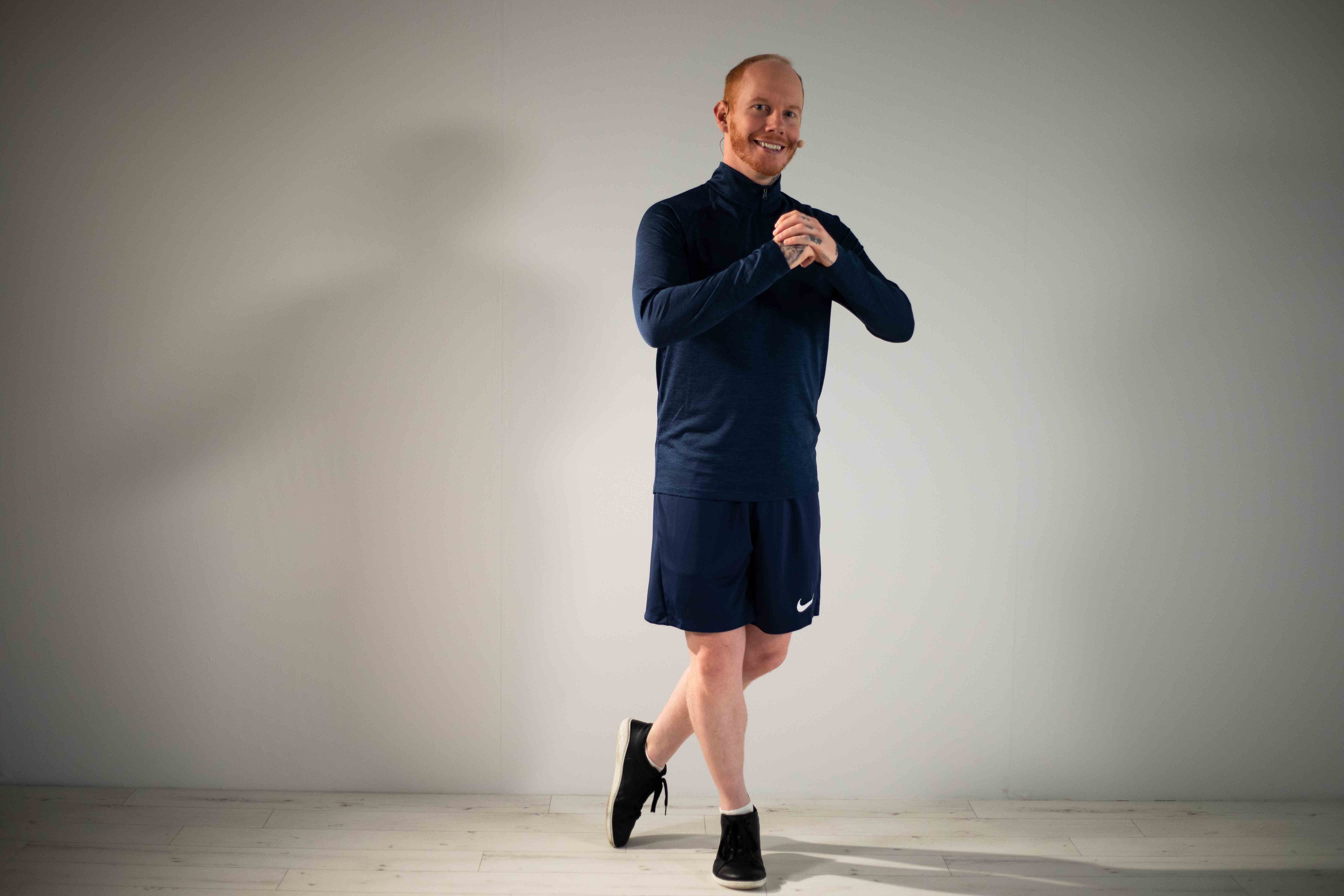
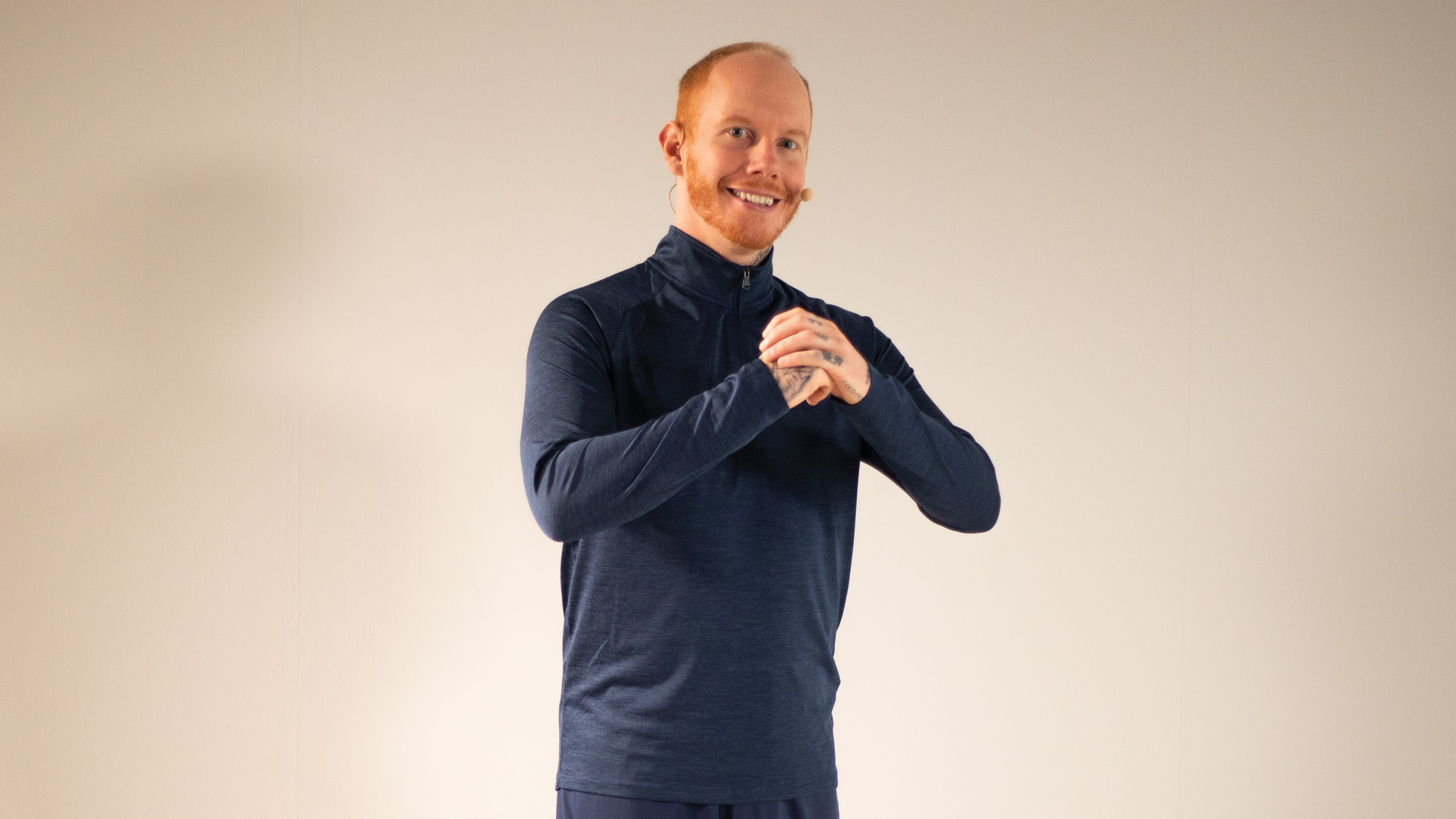
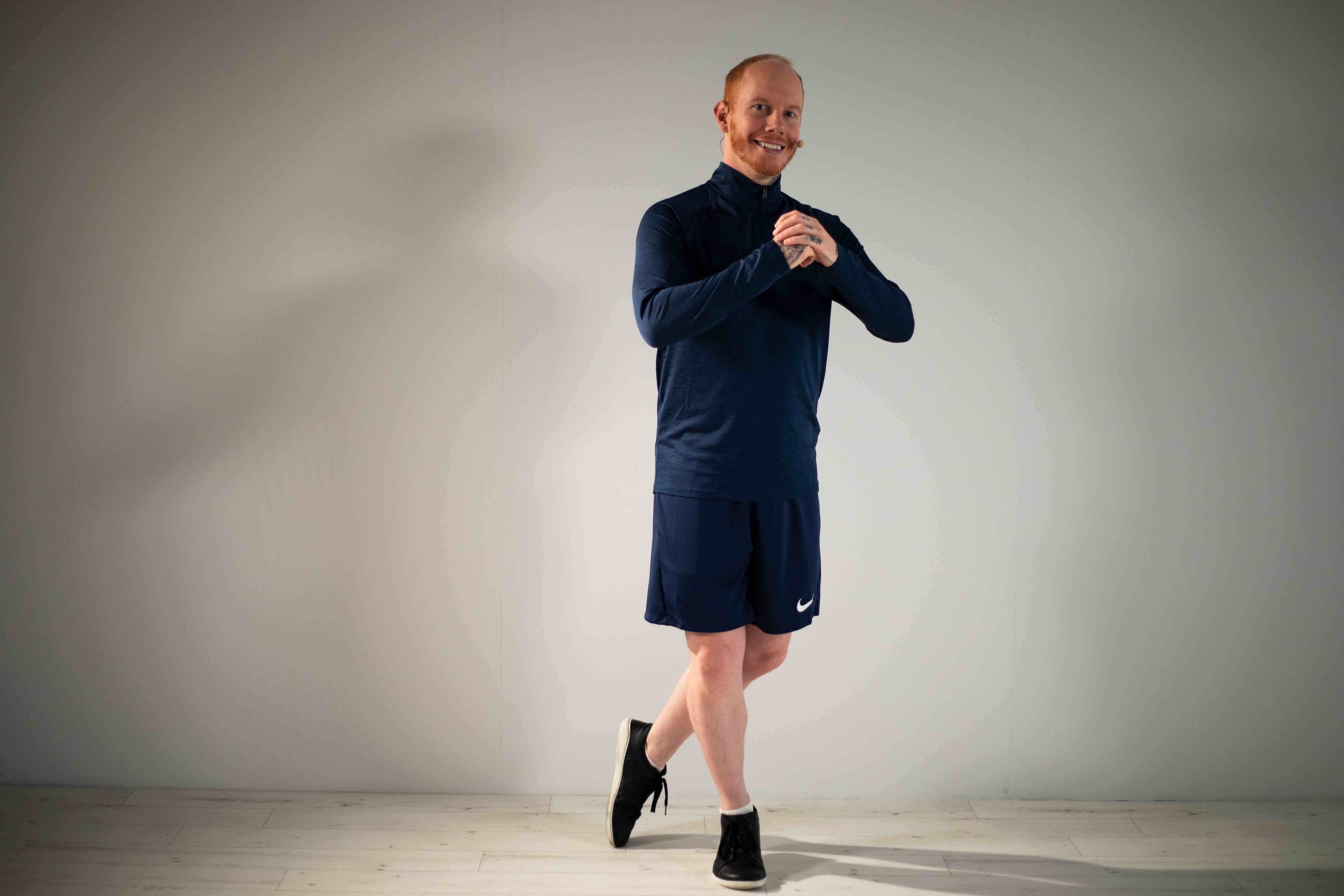
Can we really change and why does this matter? In this session, Lorien explores how neuroscience research has shown how the brain can continually adapt to new situations and circumstances, and how we can apply change to be the best versions of ourselves.
Video details

Santé mentale
Is your house haunted? The science behind sleep paralysis
Have you ever woken in the middle of the night, certain there’s someone standing at the end of your bed, but found yourself unable to move or call for help? Perhaps you’ve sensed a dark figure in the corner of your room, felt pressure on your chest, or heard strange noises that seem to come from nowhere. It might sound like the plot of a classic ghost story. But there’s a scientific explanation for these frightening experiences - sleep paralysis. With Halloween approaching, we explore what happens during sleep paralysis, why some people see or sense a presence in their bedroom, and what you can do to reduce the chances of it happening again.
par Thomas Andrew Porteus, MBCS
Santé mentale
Maîtrise de l’esprit et du corps : comment canaliser votre « télékinésie intérieure »
The dark nights have arrived, and right on cue, Mike Flanagan has turned his attention to one of Stephen King’s most iconic tales of teenage torment and supernatural terror... Carrie. The story of a schoolgirl with telekinetic powers - the fictional ability to move objects using the mind alone - has gripped our morbid imaginations for decades. Little wonder, then, that this horror classic is getting a new lease of life in a television adaptation. But while we ourselves may not be able to bend spoons or move furniture, we do possess our own real-world form of ‘internal-telekinesis’. Through mental focus and controlled breathing, we can influence our heart rate and help calm an overworked nervous system.
par Hannah Boynton-Forshaw
Bibliothèque vidéo sur la santé et le bien-être
Vidéos sur le cerveau et les nerfs
Explore our video library covering key brain and nerves health issues. From headaches to strokes and TIAs, our videos offer clear guidance to help you understand your body and take charge of your health.
par Victoria Raw

Mode de vie sain
How modern life affects your weight - beyond diet and exercise
If our bodies are designed to regulate our weight, why are more people living with obesity than ever before? Our genes haven't changed significantly over recent decades, but our environment, lifestyles, and individual biology all influence how our bodies regulate hunger, burn energy, and store fat. Understanding these factors can help explain why managing weight is more difficult for some people than others, even when they're trying to make healthier choices.
by Dr Caroline Butler

Régime et nutrition
Comment les bactéries intestinales affectent l'humeur, la concentration et la santé cérébrale
Il existe de plus en plus de preuves scientifiques que le microbiome intestinal peut influencer la santé du cerveau — de l'humeur et de la concentration aux maladies neurologiques telles que la sclérose en plaques et la maladie de Parkinson. Nous interrogeons les experts sur ce lien et sur la meilleure façon de prendre soin des bactéries intestinales pour soutenir la santé cérébrale.
par Sally Turner

Santé mentale
Pourquoi nos cerveaux sont accros aux mauvaises nouvelles
Dans un monde où chaque événement mondial et local est amplifié par les réseaux sociaux et les cycles d'information en continu, se déconnecter semble presque impossible. Les gros titres sensationnalistes dominent nos fils d'actualité, laissant souvent de côté les histoires positives. Ce flux constant d'informations peut devenir accablant - et même nuisible - pour notre santé mentale. Mais pourquoi sommes-nous programmés pour nous concentrer davantage sur les mauvaises nouvelles que sur les bonnes ?
par Victoria Raw
Partagez vos pensées ou expériences avec les autres dans notre communautés de patients.