What is the Nordic diet?
Peer reviewed by Dr Colin Tidy, MRCGPLast updated by Victoria RawLast updated 22 Oct 2025
Meets Patient’s editorial guidelines
- DownloadDownload
- Share
- Language
- Discussion
- Audio Version
- Add to preferred sources on Google
The Nordic diet originates from the traditional eating habits of regions in northern Europe and the North Atlantic. These colder countries share a dietary approach of locally grown plant-based foods and responsibly sourced game meats. It’s sometimes called the Scandinavian diet, but whichever name you know it by, let's take a look at what it involves, along with its potential health benefits.
What does the Nordic diet involve?
The Nordic diet focusses on foods that are locally sourced and seasonal, reflecting the harsh climates of Nordic countries, Denmark, Finland, Iceland, Norway, and Sweden.
Deborah Grayson, Pharmacist and Nutritional Therapist, Practice With Confidence explains that the Nordic diet is all about eating what grows naturally in the region, which promotes sustainability and reduces environmental impact.
"For example, root vegetables - such as potatoes, turnips, and carrots - are a key component in colder months," she says. "While berries - such as lingonberries and cloudberries - are plentiful in summer."
It also has a unique emphasis on traditional food preservation methods such as pickling and smoking.
What is the Nordic diet?
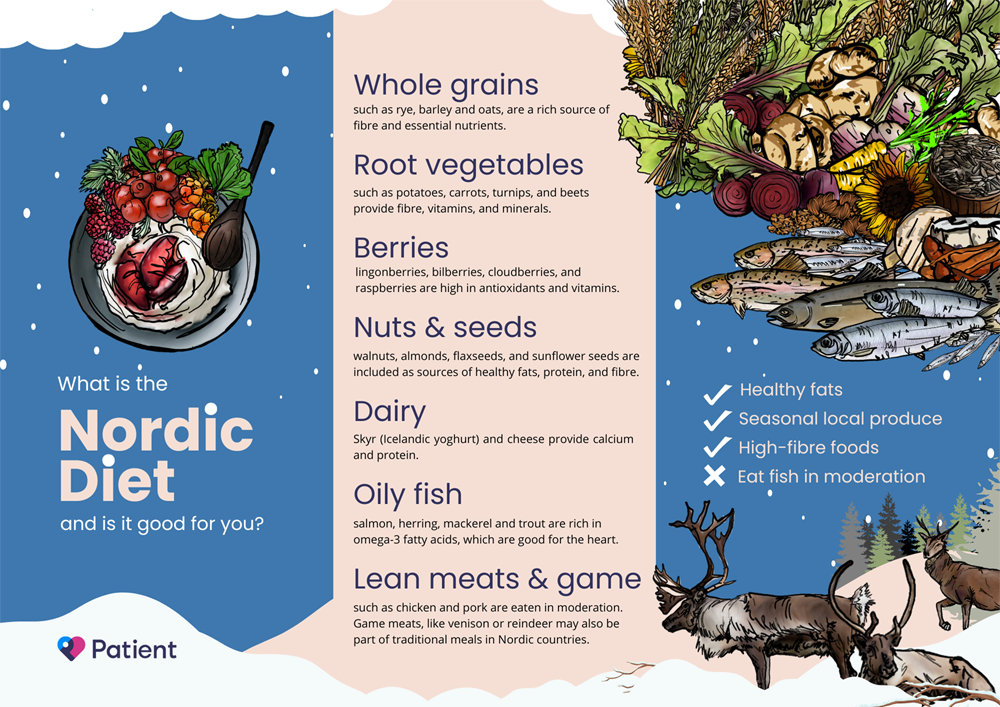
Graphic: Ben Hudson
What foods can you eat on the Nordic diet?
The Nordic diet's main elements overlap with other well-known diets such as the Mediterranean diet. However, it differs in its reliance on colder-climate foods such as root vegetables, game meats and seasonal foods.
Grayson outlines the Nordic diet's main components:
Wholegrains - such as rye, barley and oats, which are a rich source of fibre and packed with essential nutrients.
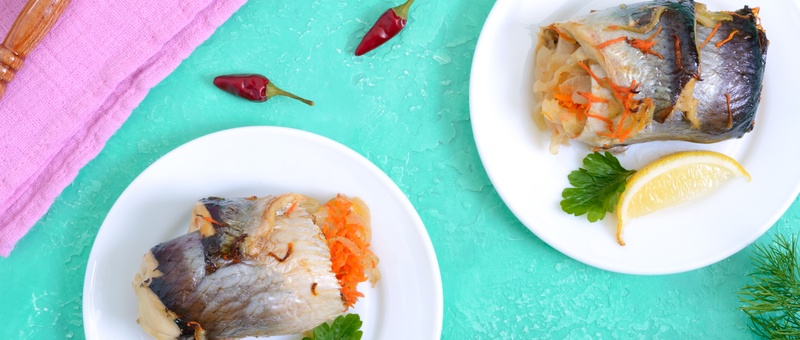
Oily fish - salmon, herring, mackerel, and trout are staples in the Nordic diet. These fish are rich in omega-3 fatty acids, which are good for your heart.
Root vegetables - vegetables such as potatoes, carrots, turnips, and beets are commonly eaten. These provide fibre, vitamins, and minerals.
Berries - typically lingonberries, bilberries, cloudberries, and raspberries. These berries are high in antioxidants and vitamins.
Dairy - dairy is an important part of the Nordic diet, with yoghurt, Skyr (Icelandic yoghurt), and cheese being frequently consumed. These foods provide calcium and protein.
Lean meats and game - in moderation, lean meats such as chicken and pork are eaten. Game meats such as venison or reindeer may also be part of traditional meals in Nordic countries.
Nuts and seeds - walnuts, almonds, flaxseeds, and sunflower seeds are included as sources of healthy fats, protein, and fibre.
Healthy fats - the Nordic diet emphasises fish oils, rapeseed oil, and butter in moderate amounts, contributing to a balanced intake of fats.
Seasonal and local produce - emphasis is placed on eating seasonal and locally grown fruits and vegetables, which may include cabbage, apples, and leeks in the colder months.
What foods should you avoid on the Nordic diet?
The Nordic diet prioritises fresh, seasonal and whole foods, while minimising or cutting out processed foods, sugary snacks and refined grains.
Grayson says: "The focus is on healthy fats from fish, oils and nuts, whilst limiting processed meats, trans fats, and high-sodium foods."
It also encourages you to reduce alcohol and dairy consumption, while cutting back on artificial ingredients or additives.
Is the Nordic diet good for weight loss?
The Nordic diet can support healthy weight loss by encouraging you to eat healthy, low-calorie foods such as vegetables, berries and lean proteins.
Grayson explains that the fibre-rich foods in the Nordic diet help with digestion and make you feel full for longer. The healthy fats from fish and rapeseed oil will support your metabolism and curb your hunger.
"Fill your plate with non-starchy vegetables such as leafy greens, cabbage, carrots, and cruciferous vegetables such as broccoli and cauliflower," she says: "Although whole grains like rye bread are healthier than processed foods, they should be consumed in moderation if weight loss is your goal, as they can still be high in calories."
What are the benefits of the Nordic diet?
A diet that promotes a balance of lean proteins, healthy fats and complex carbohydrates is generally good for your wellbeing.
The Nordic diet in particular is associated with a range of health benefits.
Grayson says these include:
Improved heart health.
Weight management.
Blood sugar control.
Reduced inflammation.
Better gut health.
However, although it's associated with various wellness advantages, the Nordic diet - as with any diet - requires a careful and considered balance of nutrients.
For example - Grayson warns that if you eat more of the plant-based and less of the protein components, you may become deficient in vitamin B12, iron or calcium. Similarly, eating too much fish can potentially expose you to higher levels of mercury. Two oily fish portions per week are generally considered safe.
"Failure to balance portion sizes can also cause issues with higher consumption of fats and calories," she adds.
You don’t have to be a Nordic native to enjoy Scandinavian-inspired cuisine. Explore these meal examples for a delicious and balanced day inspired by the Nordic diet.
For breakfast: hearty and wholesome oatmeal bowl
Ingredients:
Rolled oats.
Water or milk - preferably from a local dairy.
Mixed berries - such as blackberries, blueberries and raspberries.
Chopped nuts - such as almonds and walnuts.
Add local honey to taste.
For lunch: smoked haddock and poached egg on wholemeal toast
Ingredients:
2 slices wholemeal bread.
2 large eggs.
1 wild caught smoked salmon fillet.
1 tablespoon of butter.
Fresh dill.
Add pepper to taste.
For dinner: roasted chicken with root vegetables and brown rice
Ingredients:
Free range chicken seasoned with pepper and fresh thyme - roast with wild garlic.
Root vegetables - such as carrots, parsnips and potatoes - toss with pepper and hazelnut oil.
Brown or wholegrain rice.
By reducing the intake of processed foods, refined sugars, and saturated fats, the Nordic diet can help prevent and manage long-term diseases, support cognitive function, and improve overall health.
Grayson says: "This diet is highly flexible and, with small adjustments, can be adapted to suit various dietary needs and preferences. Whether you're following a plant-based diet, need gluten-free options, want to control blood sugar, or are trying to lose weight, the foundational principles of the Nordic diet can be tailored to support your health goals."
Patient picks for Diet

Diet and nutrition
What is the Atlantic diet?
The Atlantic diet is all about fresh, simple ingredients and social, sustainable eating. It shares many similarities with its popular southern cousin, the Mediterranean diet - but there are some key differences. Is the Atlantic diet as healthy as the highly praised Mediterranean diet? And why is it so good for both people and planet?
by Amberley Davis
Diet and nutrition
Simple ways to follow a Mediterranean diet
A Mediterranean diet conjures up an image of fresh fish and colourful salads doused in olive oil, washed down with a glass of red wine - all while sitting in the sun of course. While we may not have reliable sunshine in the UK, we can certainly tap into the wide-ranging health benefits offered by the Mediterranean diet.
by Lynn Stephen
About the authorView full bio

Victoria Raw
Feature Writer
BA (Hons), English Literature
Victoria is a content writer at Patient, with special interests spanning mental wellbeing, societal trends and the impact of technology on our health.
About the reviewerView full bio

Dr Colin Tidy, MRCGP
General Practitioner, Medical Author
MBBS, MRCGP, MRCP (Paediatrics), DCH
Dr Colin Tidy is an NHS Doctor, based in Oxfordshire.
Article history
Article also available in English, German, Spanish, French, Italian, Portuguese, Hindi, Hebrew, Arabic, and Swedish.
Next review due: 23 Oct 2028
22 Oct 2025 | Latest version
22 Nov 2024 | Originally published
Authored by:
Victoria Raw
Join the conversation
Share your thoughts or experiences with others in our patient communities.

Ask, share, connect.
Browse discussions, ask questions, and share experiences across hundreds of health topics.

Feeling unwell?
Assess your symptoms online for free
Sign up to the Patient newsletter
Your weekly dose of clear, trustworthy health advice - written to help you feel informed, confident and in control.
By subscribing you accept our Privacy Policy. You can unsubscribe at any time. We never sell your data.
More in diet and nutrition
- 5 healthy Halloween treats
- 5 warming soup recipes
- 7 easy and delicious keto breakfast ideas
- 10 sources of plant-based protein for bone health
- 10 surprising health benefits of cabbage
- Can changing your diet ease endometriosis symptoms?
- Can diet drinks cause type 2 diabetes?
- Can vitamins really prevent hair loss?
- Everything you should know about the 3-day sardine fast
- Healthy Hanukkah food for your weight, heart and diabetes
- How AI can give you ideas for healthy meals
- How to choose healthy snacks for you and your kids
- How to set achievable health goals
- How to shop for a low cholesterol diet
- Is intermittent fasting healthy?
- Is mushroom coffee really good for you?
- Tadpole water - what is it, and does it actually have any health benefits?
- What are the benefits of vitamin D?
- What is the best diet for Crohn's disease?
- What is your gut microbiome?