Posture and Alignment Awareness
Published 26 Nov 2026
Respecte les directives éditoriales
Watch this video
Posture and Alignment Awareness explores gentle stepping and upright standing posture to develop greater awareness of body alignment. The exercise encourages balanced weight distribution, relaxed shoulders, and an upright spine while moving slowly and mindfully. It helps improve body awareness, posture control, and overall movement quality.
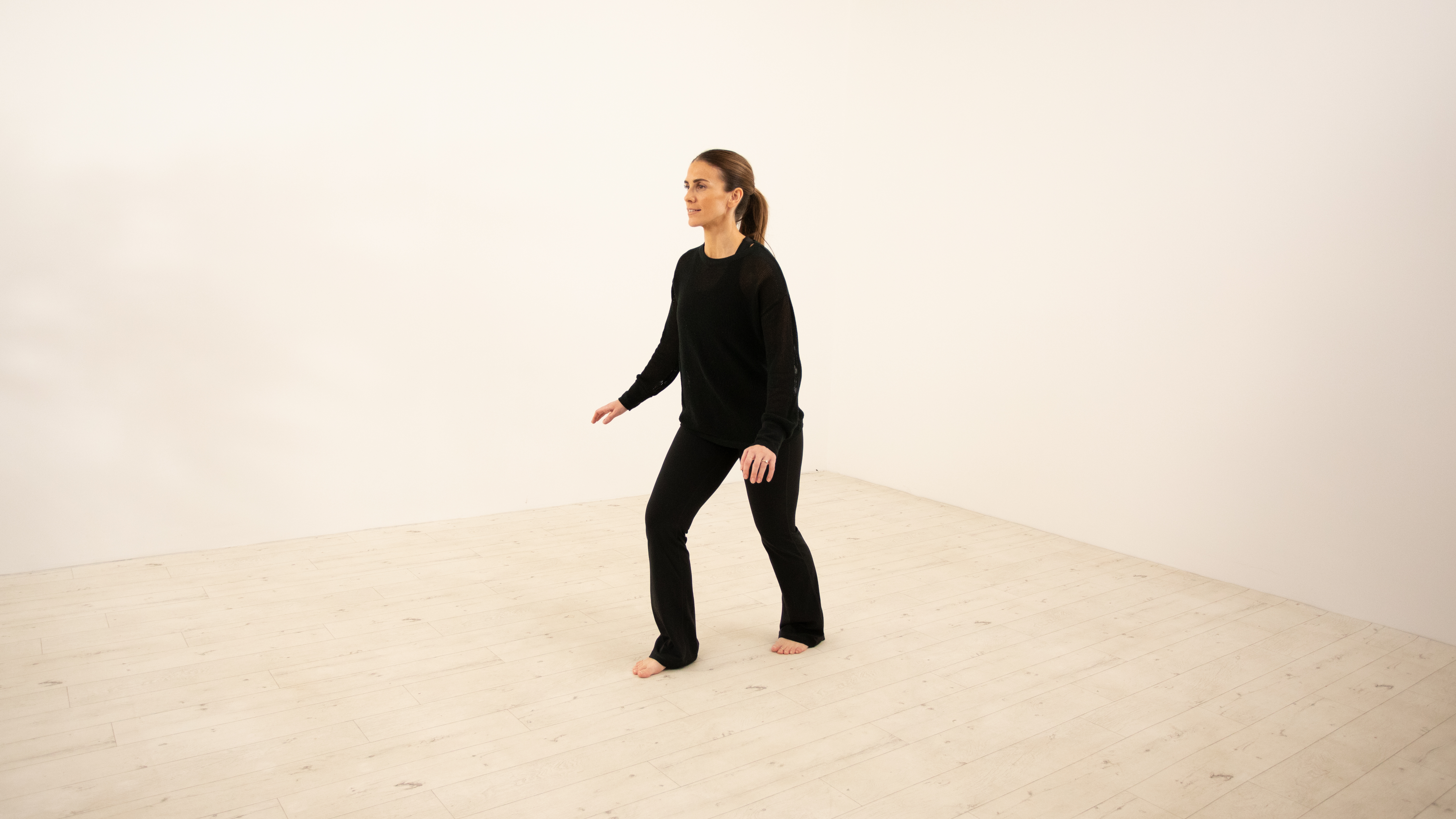
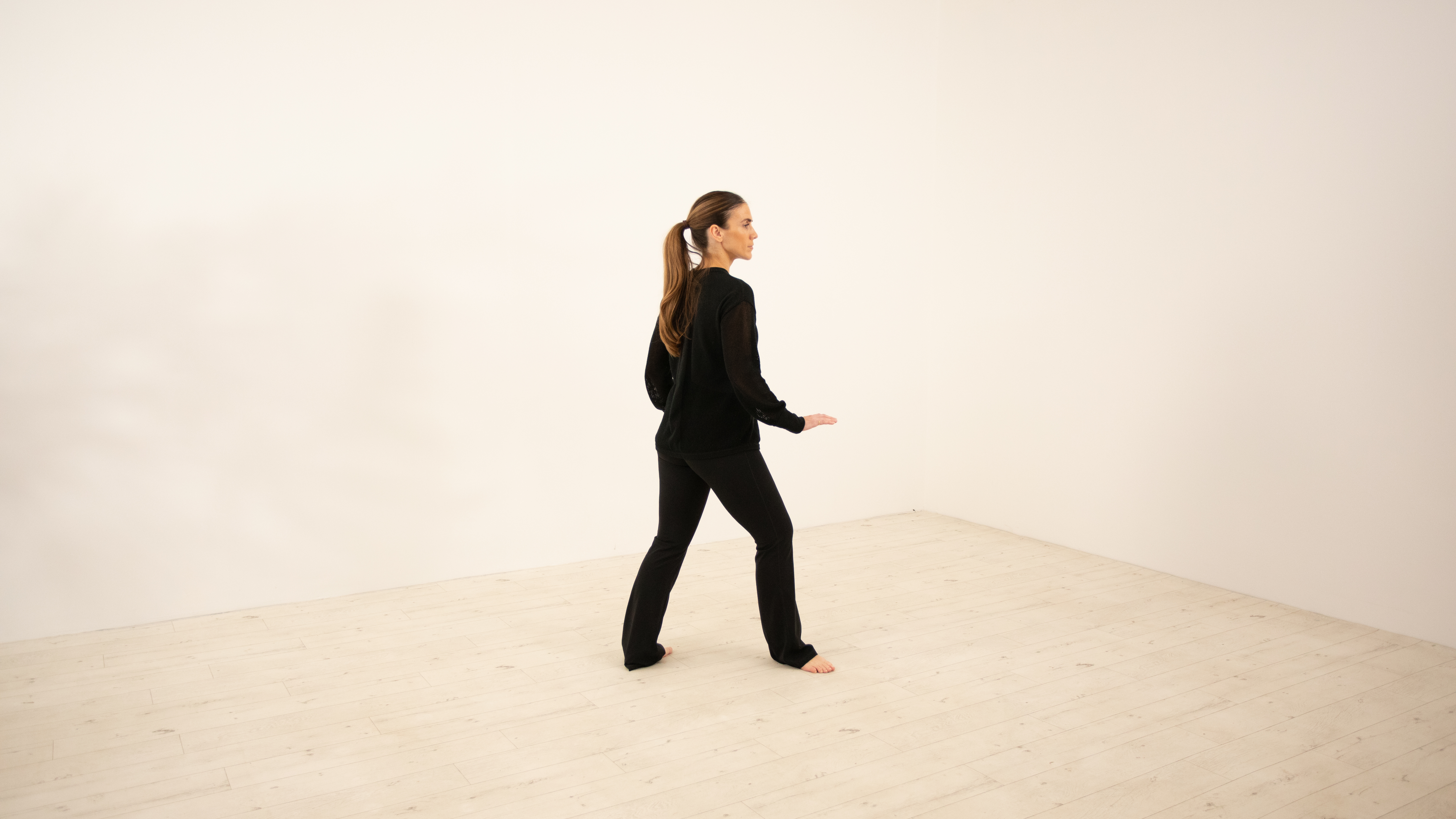
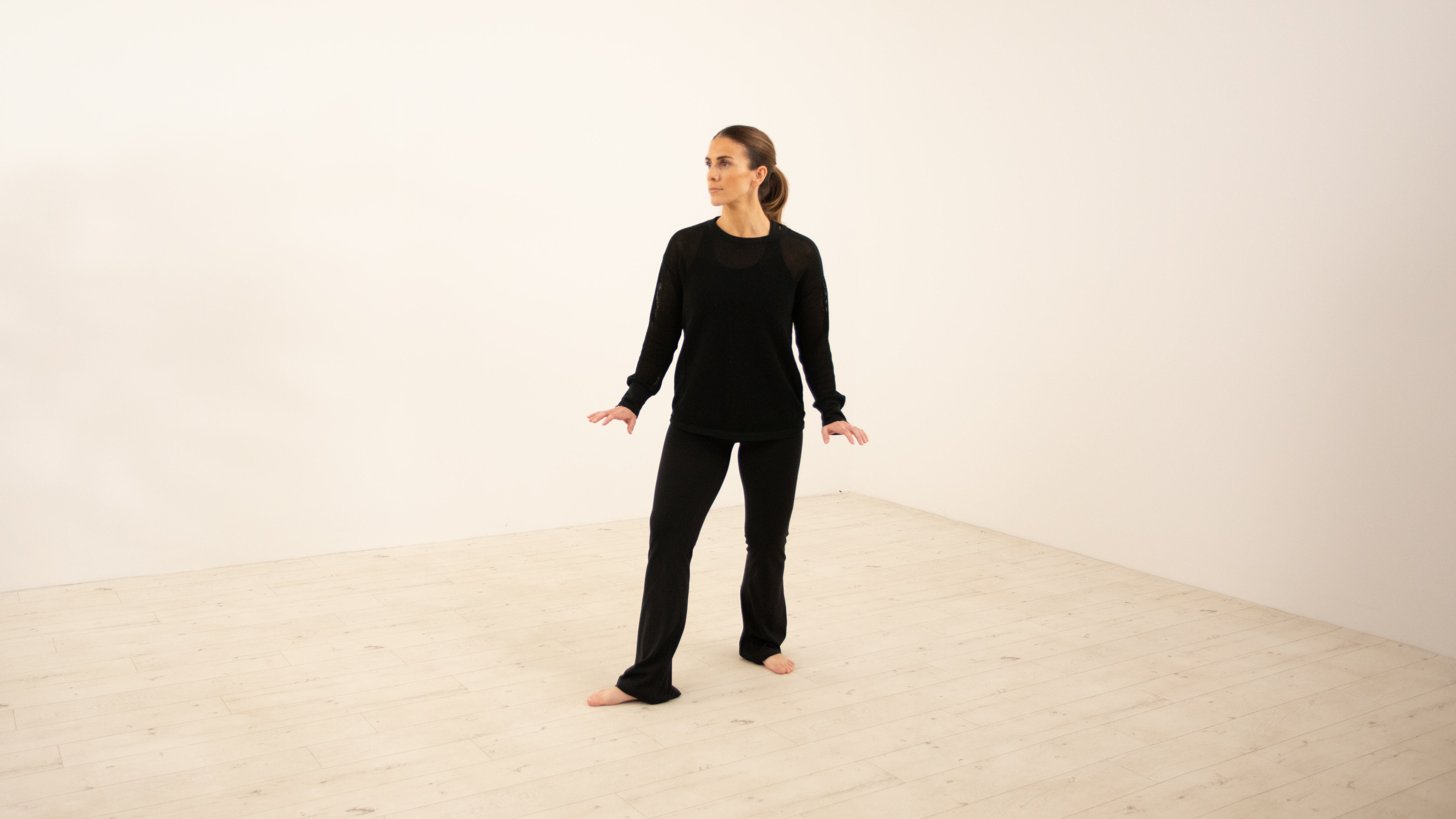
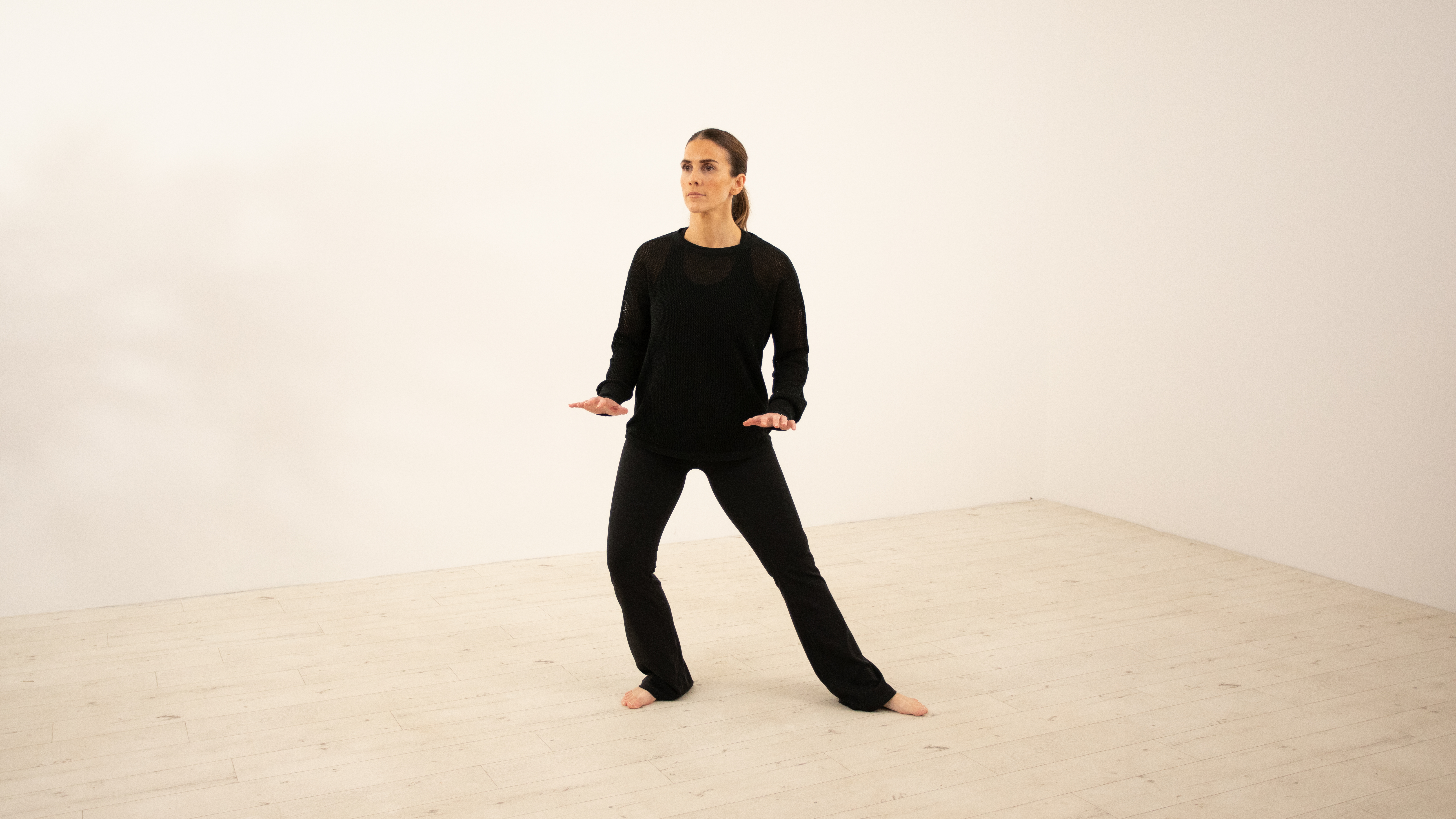
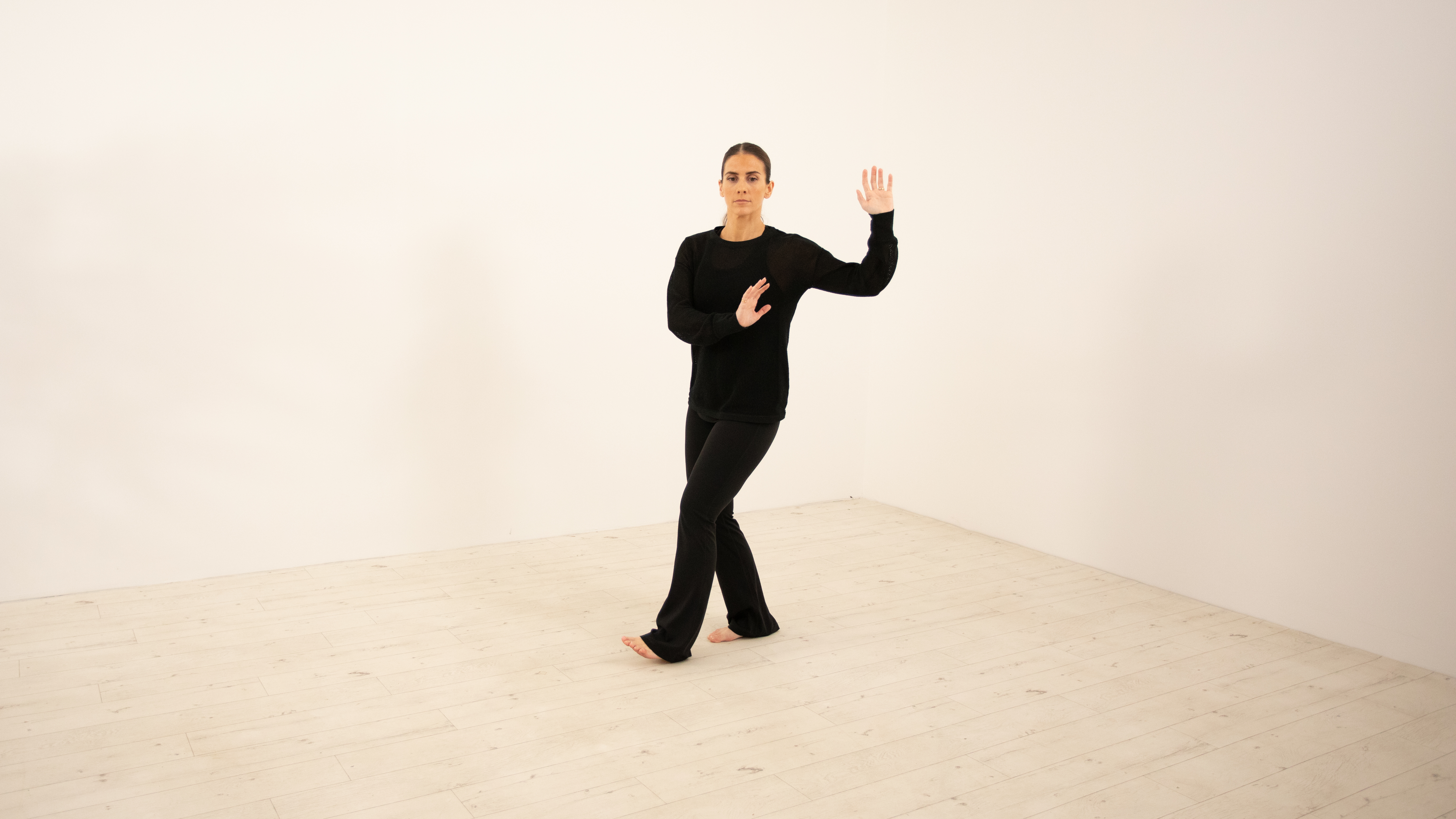
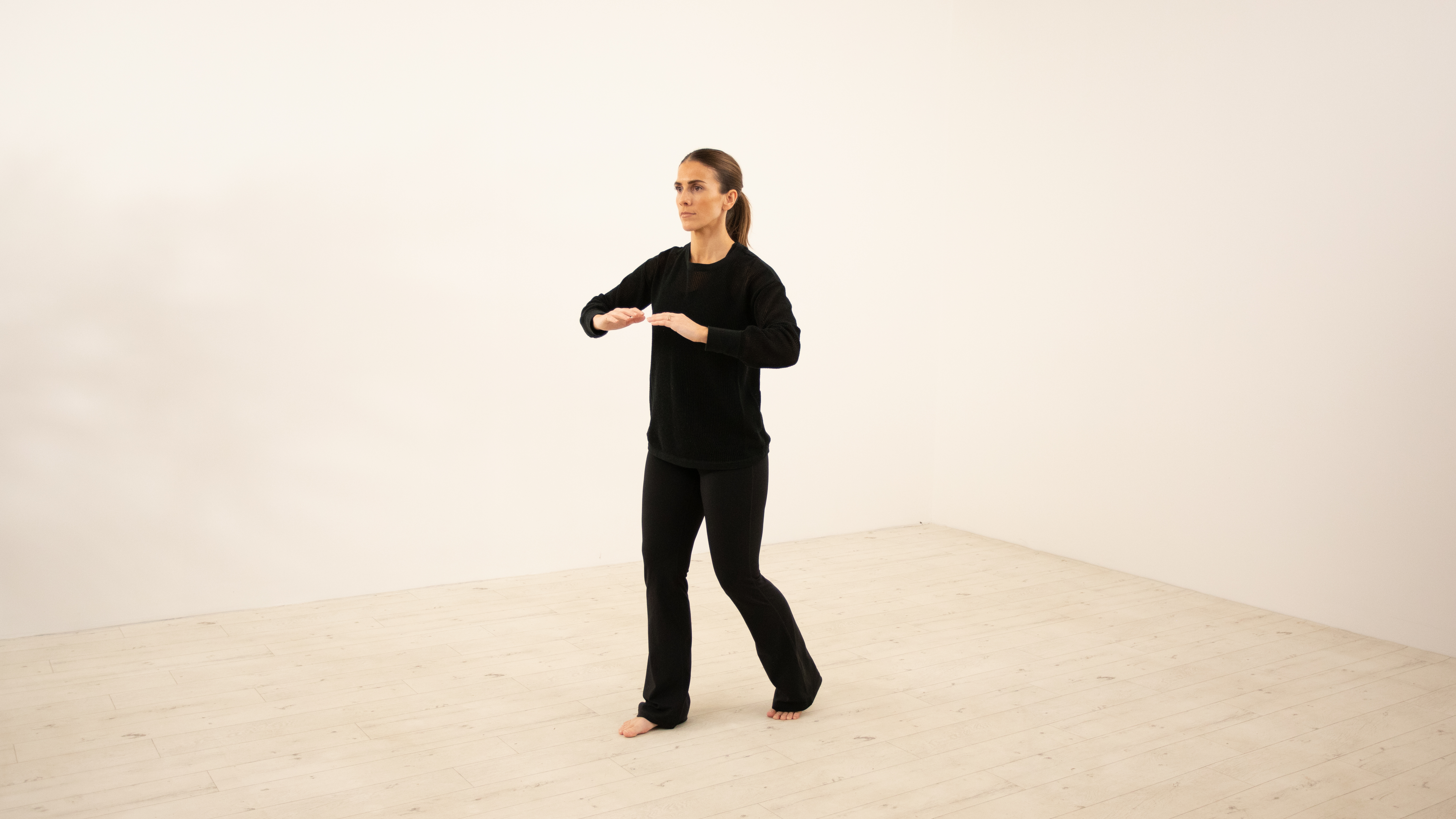
Video details

Mode de vie sain
Comment une mauvaise posture affecte plus que votre dos
These days, being stuck at a desk all day isn’t just a habit - it's basically part of the job for a lot of people. Between our professional lives and the digital entertainment that fills our downtime, we are increasingly pulled into stationary, hunched positions. This environment makes the simple act of maintaining good posture a constant struggle. A physiotherapist explains exactly how poor posture impacts your wellbeing and offers simple, actionable tips to help you lead a happier, healthier life.
par Victoria Raw

COVID-19
Mauvaise posture : comment vaincre la « déprime COVID »'
Adopter un mode de vie moins actif en raison des restrictions de confinement et du télétravail pendant la pandémie de COVID-19 a conduit beaucoup d'entre nous à développer une léthargie liée au COVID. Se voûter et s'affaisser vers l'avant peut causer des douleurs, des blessures et une large gamme de problèmes de santé. Quels sont les risques d'une mauvaise posture, et comment pouvons-nous développer de bonnes habitudes posturales ?
par Amberley Davis
Santé mentale
Maîtrise de l’esprit et du corps : comment canaliser votre « télékinésie intérieure »
The dark nights have arrived, and right on cue, Mike Flanagan has turned his attention to one of Stephen King’s most iconic tales of teenage torment and supernatural terror... Carrie. The story of a schoolgirl with telekinetic powers - the fictional ability to move objects using the mind alone - has gripped our morbid imaginations for decades. Little wonder, then, that this horror classic is getting a new lease of life in a television adaptation. But while we ourselves may not be able to bend spoons or move furniture, we do possess our own real-world form of ‘internal-telekinesis’. Through mental focus and controlled breathing, we can influence our heart rate and help calm an overworked nervous system.
par Hannah Boynton-Forshaw

Mode de vie sain
How modern life affects your weight - beyond diet and exercise
If our bodies are designed to regulate our weight, why are more people living with obesity than ever before? Our genes haven't changed significantly over recent decades, but our environment, lifestyles, and individual biology all influence how our bodies regulate hunger, burn energy, and store fat. Understanding these factors can help explain why managing weight is more difficult for some people than others, even when they're trying to make healthier choices.
by Dr Caroline Butler

Santé cardiaque et vaisseaux sanguins
What happens to your blood pressure when you're not measuring it?
Think about the last time you had your blood pressure checked. Perhaps you were sitting in your GP's surgery, waiting for the cuff to inflate. Seconds later, two numbers appeared on the screen. Those numbers provide useful information about your blood pressure at that moment. But blood pressure changes throughout the day and night. Some people even have higher readings at the GP's surgery than at home - known as white coat hypertension - while others have normal readings in the surgery but higher blood pressure elsewhere (masked hypertension).
by Hilo

Os, articulations et muscles
Spondyloarthrite axiale
La spondyloarthrite axiale (également connue sous le nom de axSpA ou SpA axiale) est une arthrite douloureuse et chronique qui affecte principalement les articulations de la colonne vertébrale, ainsi que les articulations reliant chaque côté de la base de la colonne vertébrale au bassin (articulations sacro-iliaques). Elle peut également affecter d'autres articulations du corps, ainsi que les tendons et les ligaments. Elle se divise en : 1) Spondylarthrite ankylosante. 2) Spondyloarthrite axiale non radiographique.
par Dr Philippa Vincent, MRCGP
Partagez vos pensées ou expériences avec les autres dans notre communautés de patients.