
What happens to your blood pressure when you're not measuring it?
Your blood pressure changes as you work, relax and sleep. Could occasional readings be missing part of the picture?
Revu par Dr Colin Tidy, MRCGPRédigé par Hilo Publié à l'origine 28 Oct 2026
Respecte les directives éditoriales
- TéléchargerTélécharger
- Partager
- Language
- Discussion
- Ask Patient
- Version audio
- Ajouter aux sources préférées sur Google
Think about the last time you had your blood pressure checked. Perhaps you were sitting in your GP's surgery, waiting for the cuff to inflate. Seconds later, two numbers appeared on the screen.
Those numbers provide useful information about your blood pressure at that moment. But blood pressure changes throughout the day and night. Some people even have higher readings at the GP's surgery than at home - known as white coat hypertension - while others have normal readings in the surgery but higher blood pressure elsewhere (masked hypertension).
Sponsorisé
Hilo: A smarter way to understand your blood pressure
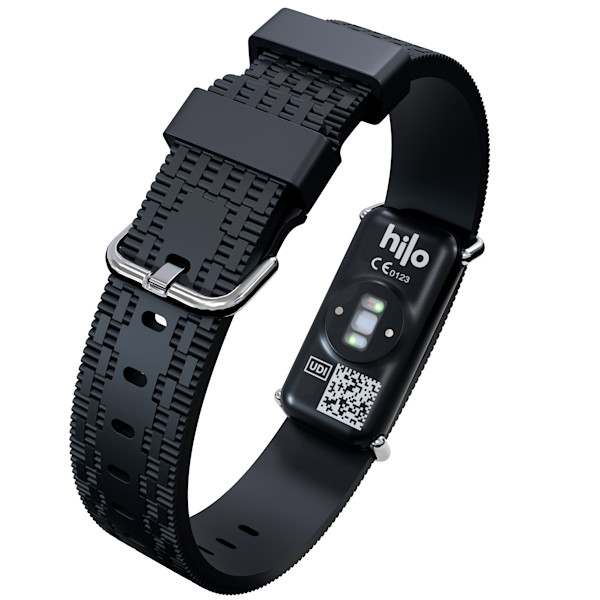
Your blood pressure changes throughout the day. Now you can understand it better. Hilo is a clinically validated, cuffless wearable that automatically measures your blood pressure throughout the day and night, even while you sleep. With around 35 readings a day, Hilo helps you discover patterns and track trends over time, without the hassle of regular cuff measurements. Just wear it and get a clearer picture of your blood pressure.
Sélections vidéo pour Pression artérielleBibliothèque vidéo
Your blood pressure is constantly changing
Blood pressure isn't a fixed number. It rises and falls as your body responds to daily life, whether you're rushing for a train, dealing with a stressful meeting, drinking coffee, or relaxing on the sofa. Stress, activity, sleep, and diet can all influence it.
These changes are often normal, but looking at readings taken over time can help healthcare professionals understand your blood pressure more fully than a single measurement.
What happens to your blood pressure while you sleep?
For many people, blood pressure falls by around 10-20% during sleep compared with daytime levels. This is called nocturnal dipping and forms part of the body's natural daily rhythm.1
Not everyone follows this pattern. Some people have a smaller fall overnight, while others have higher blood pressure during sleep than when awake. Research has associated unusual night-time blood pressure patterns with cardiovascular risk.1
Because most home monitors require you to sit quietly and take a reading, checking blood pressure while you're asleep isn't straightforward. Healthcare professionals can use 24-hour ambulatory monitoring - a portable cuff that inflates at intervals, including overnight - when a fuller assessment is needed.
Can your blood pressure be high without you knowing?
Yes. High blood pressure - or hypertension - often has no noticeable symptoms. The World Health Organization (WHO) estimates that around 44% of adults with hypertension worldwide are unaware they have it.2
High blood pressure can increase the risk of crise cardiaque, AVC, and des reins. That's why checking it matters even if you feel well.3
The NHS advises adults aged 40 and over to have their blood pressure checked at least every five years, or more often if recommended. If your readings are repeatedly high, speak to your GP. 3
A fuller picture of your blood pressure
Home blood pressure monitoring and clinician-prescribed 24-hour ambulatory monitoring can help reveal patterns that may not appear during an appointment. New wearable technology offers another way to collect readings during everyday life.
Hilo is a clinically validated blood pressure monitoring system that takes automatic readings during the day and night when measurement conditions are suitable. Its wrist-worn band uses optical sensing technology, while an upper-arm cuff is used for initial calibration and recalibration every 30 days.
La Hilo App brings readings together to show blood pressure patterns and averages over time. Reports can be shared with a healthcare professional to support conversations about cardiovascular health.
La vue d'ensemble
One blood pressure reading can be useful. Understanding how readings vary across days and nights can add context and help you have a more informed conversation with your GP.
Discover Hilo
Explore how Hilo's automatic day-and-night measurements and app-based reports can help you understand your blood pressure patterns.
Sélections des patients pour Pression artérielle
Santé cardiaque et vaisseaux sanguins
Tension artérielle : comprendre vos résultats
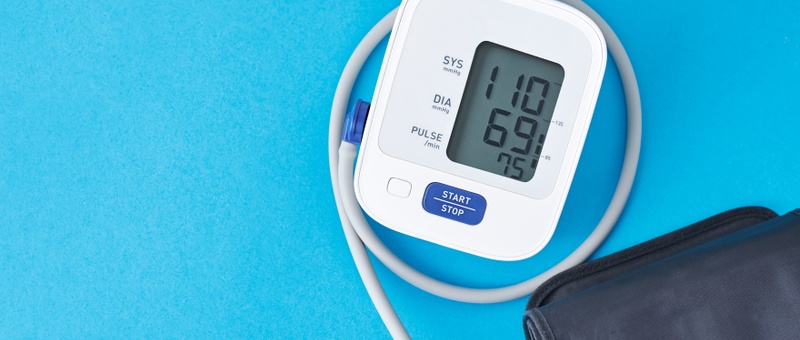
Selon la British Heart Foundation (BHF), environ 3 personnes sur 10 au Royaume-Uni ont une pression artérielle élevée. L'hypertension artérielle passe souvent inaperçue, laissant 5 millions d'adultes au Royaume-Uni ignorants qu'ils en souffrent. Vérifier régulièrement votre tension artérielle et comprendre vos résultats est crucial pour un diagnostic et un traitement précoces.
par Victoria Raw

Santé cardiaque et vaisseaux sanguins
En augmentation : quelles sont les causes de l'hypertension artérielle chez les jeunes adultes
L'hypertension artérielle affecte de plus en plus fréquemment les moins de 50 ans - mais pourquoi ? Nous explorons les habitudes de vie des Millennials qui pourraient être responsables de cette augmentation. Quel que soit votre âge, en abordant ces causes de l'hypertension artérielle, vous pouvez aider à maintenir votre tension artérielle en bonne santé et essayer d'éviter les problèmes de santé graves qu'elle peut entraîner.
par Lynn Stephen
Lectures complémentaires et références
À propos de l'auteurVoir la biographie complète
Rédigé par

Hilo
À propos du critiqueVoir la biographie complète

Dr Colin Tidy, MRCGP
Médecin généraliste, Auteur médical
MBBS, MRCGP, MRCP (Paediatrics), DCH
Le Dr Colin Tidy est un médecin du NHS, basé dans l'Oxfordshire.
Historique de l'article
Article également disponible en Anglais, Allemand, Espagnol, Français, Italien, Portugais, Hindi, Hébreu, Arabe, and Suédois.
Next review due: 28 Oct 2029
28 Oct 2026 | Publié à l'origine
Écrit par :
HiloRevu par
Dr Colin Tidy, MRCGP
Partagez vos pensées ou expériences avec les autres dans notre communautés de patients.
Inscrivez-vous à la newsletter Patient
Votre dose hebdomadaire de conseils de santé clairs et fiables - rédigés pour vous aider à vous sentir informé, confiant et maître de la situation.
En vous abonnant, vous acceptez notre Politique de confidentialité. Vous pouvez vous désabonner à tout moment. Nous ne vendons jamais vos données.