Banded Overhead Press
Published 26 Nov 2026
Respecte les directives éditoriales
Watch this video
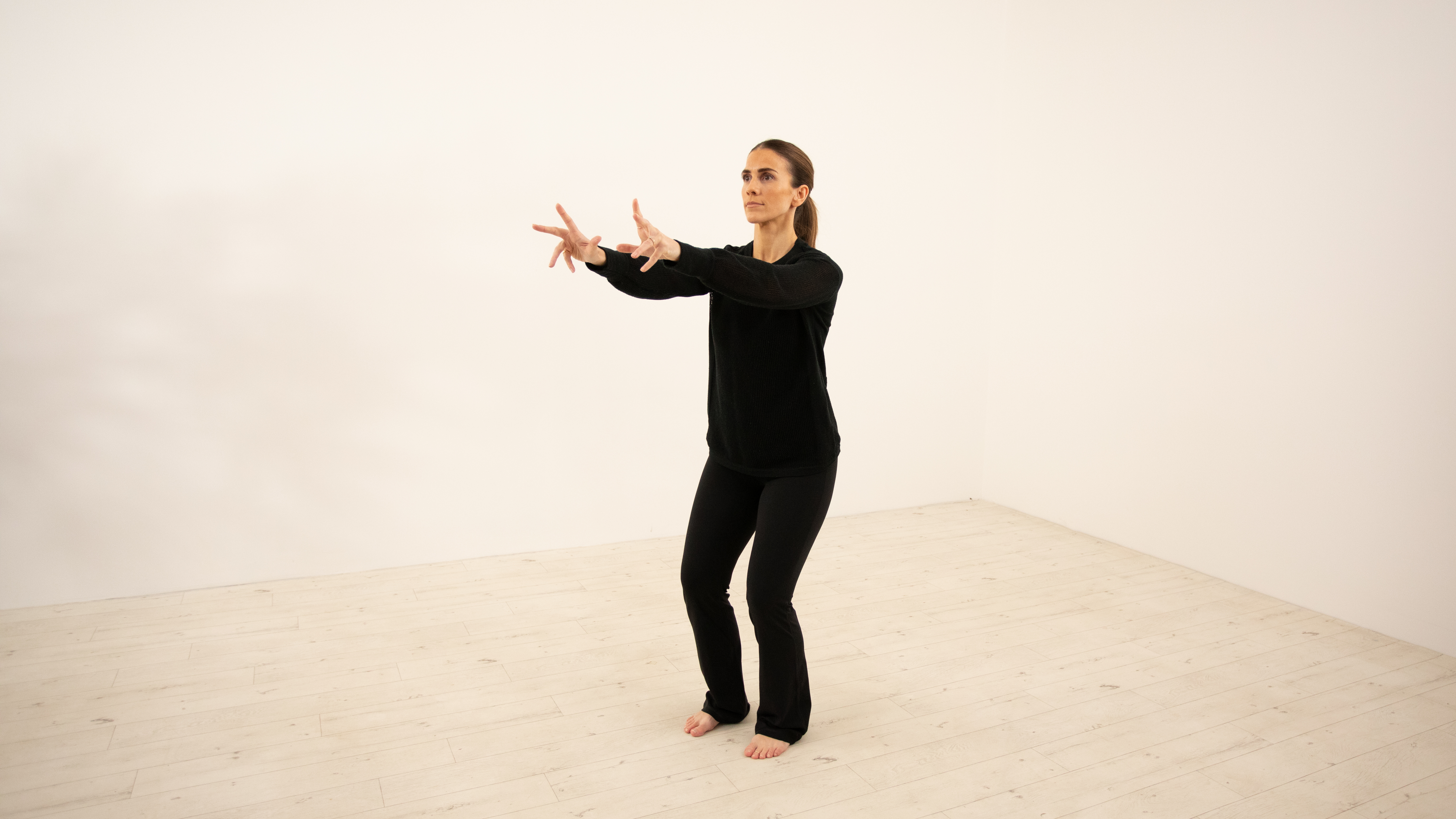
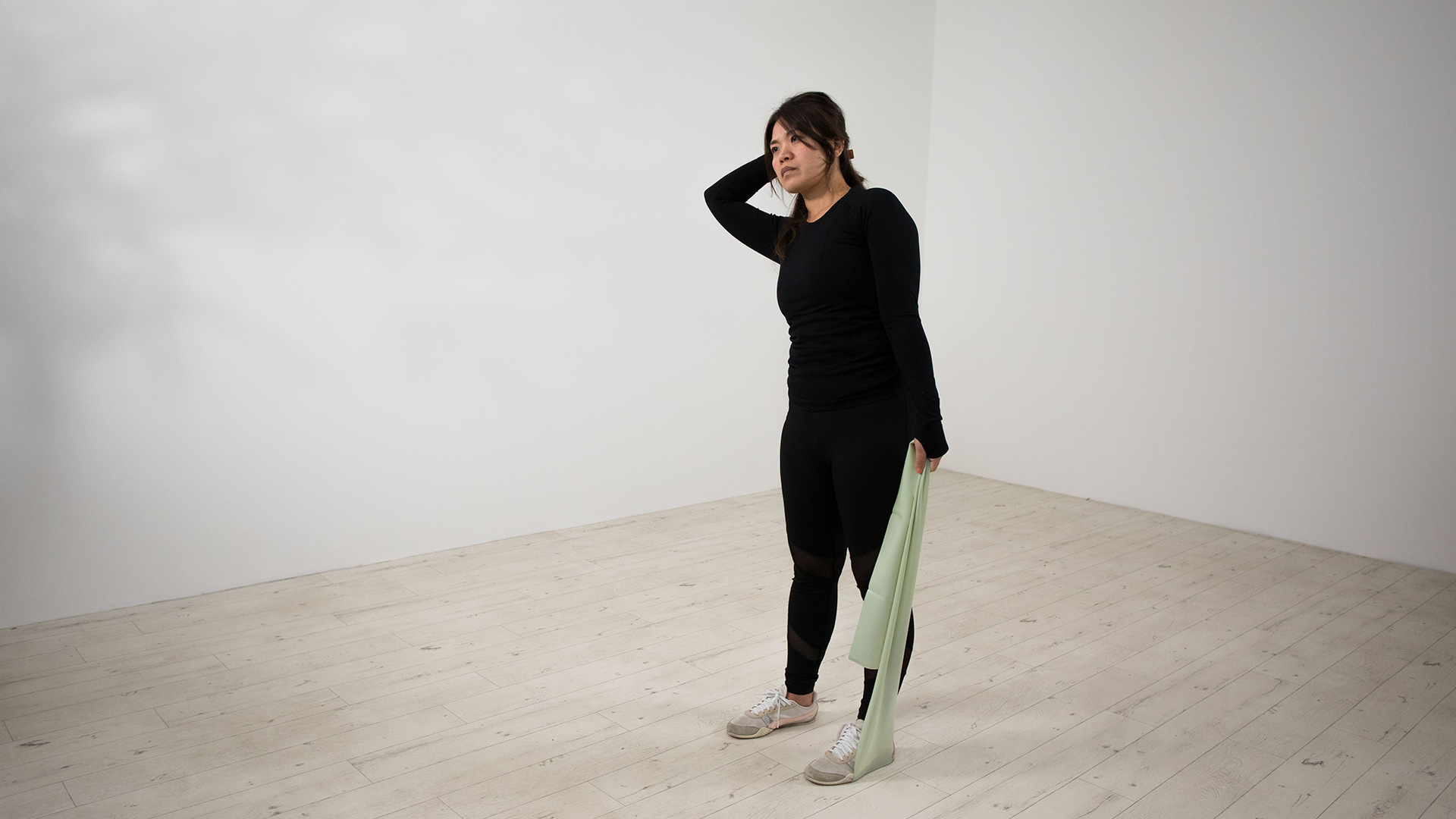
The Banded Overhead Press is a strength exercise that works the shoulders, arms, and upper chest. Stand with the resistance band under your feet and hold the ends at shoulder height. Press both arms overhead until fully extended, then lower with control. This exercise improves shoulder stability, posture, and upper-body strength.
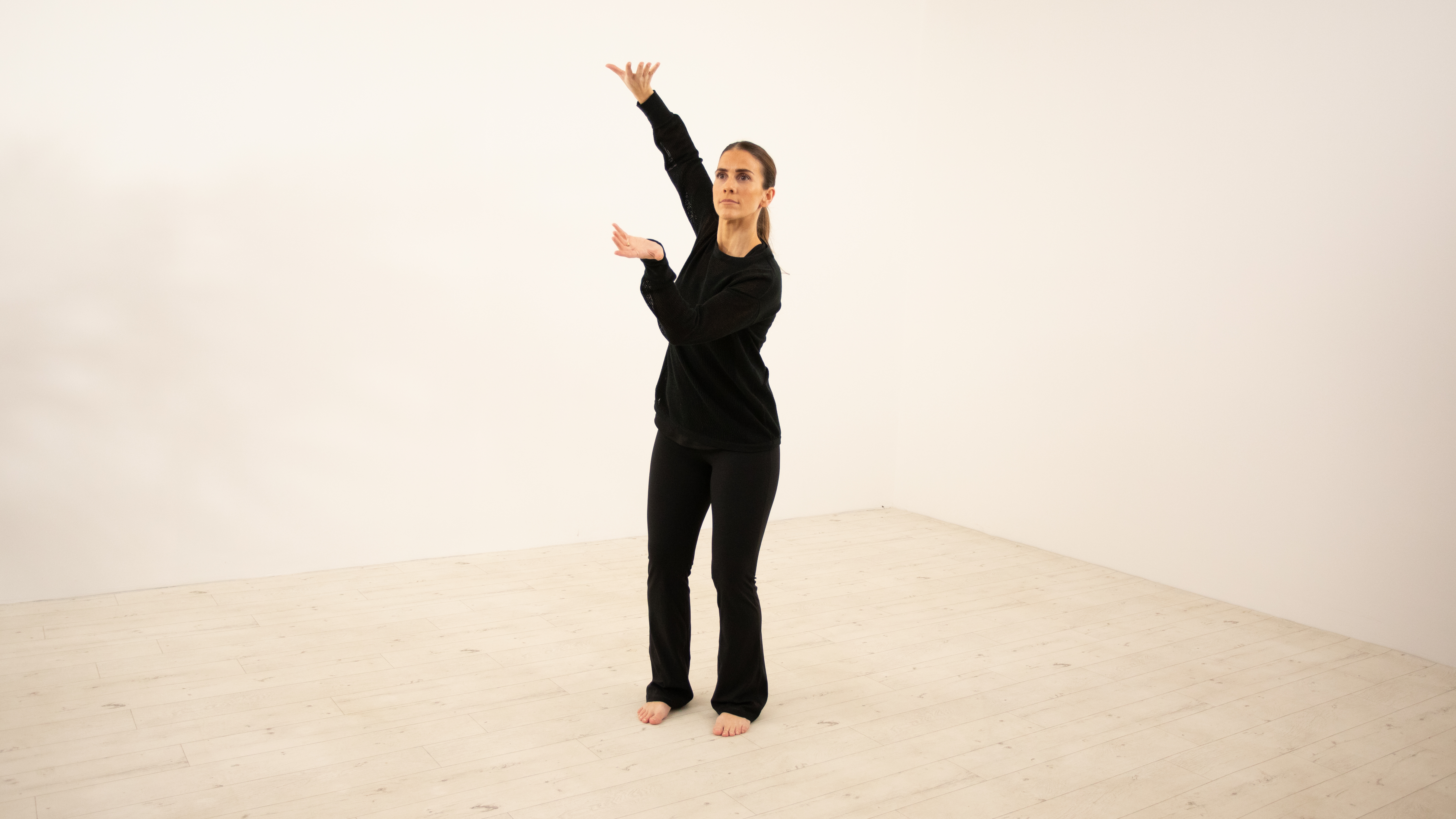
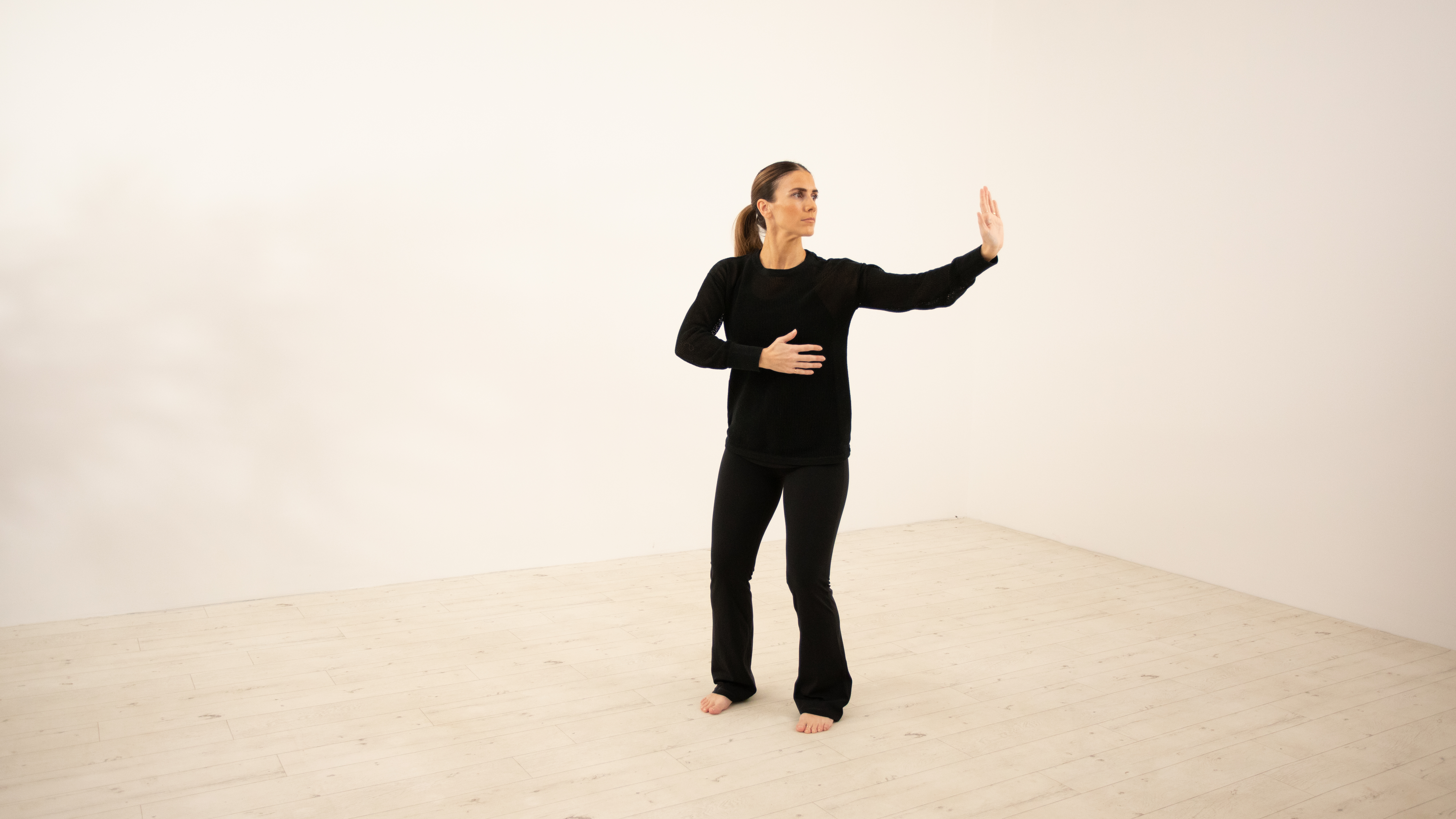
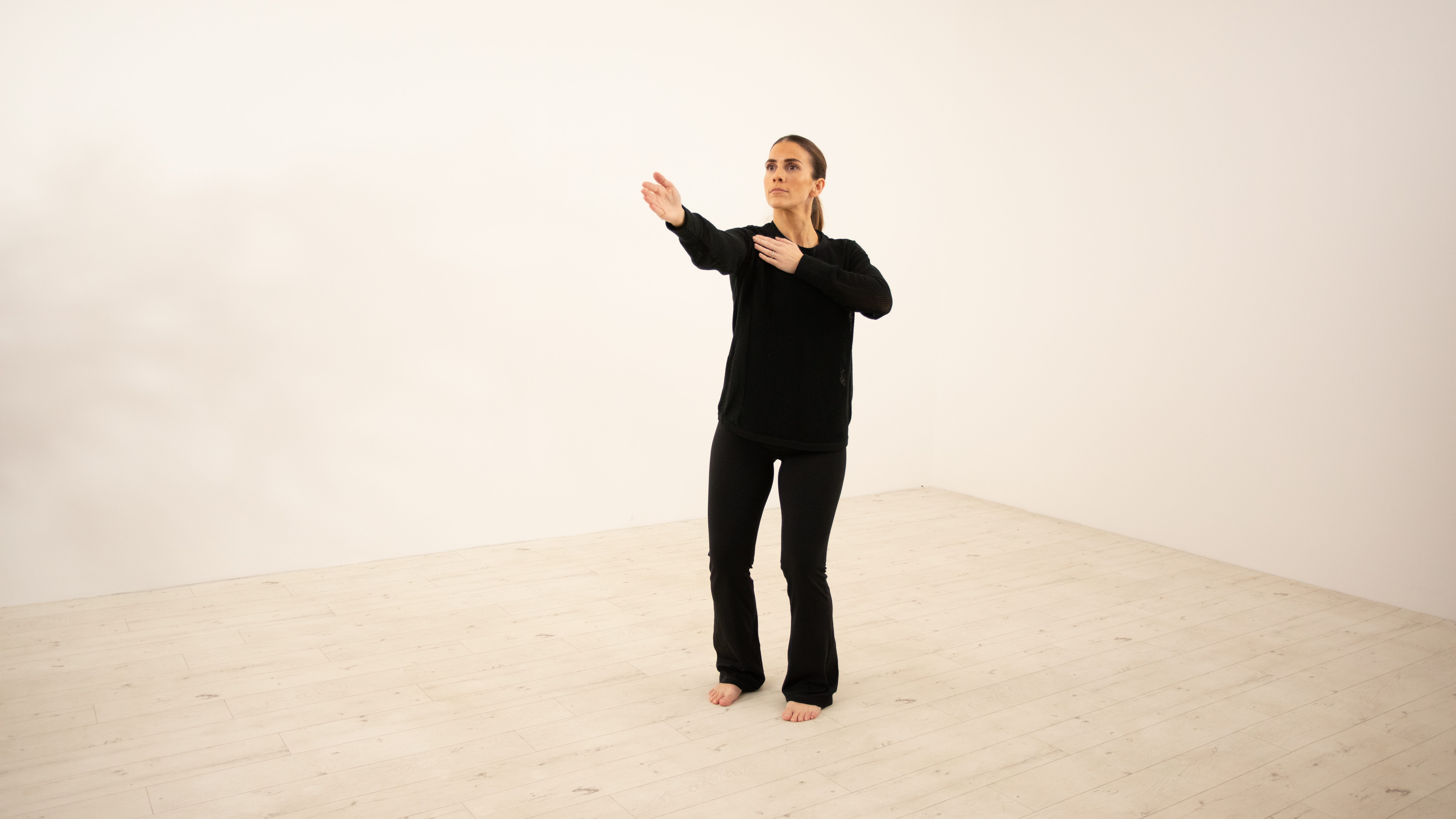
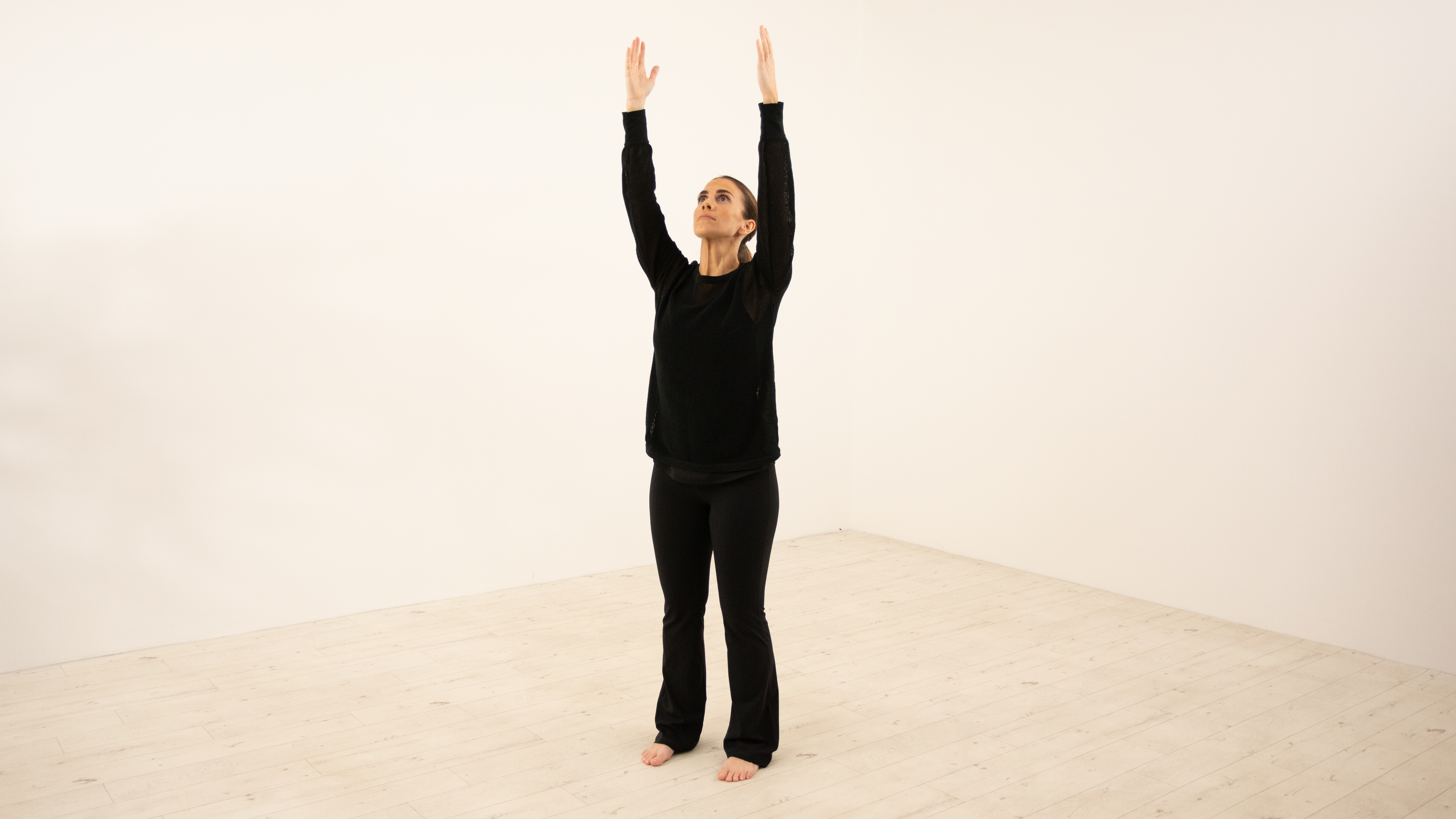
Video details

Santé cardiaque et vaisseaux sanguins
What happens to your blood pressure when you're not measuring it?
Think about the last time you had your blood pressure checked. Perhaps you were sitting in your GP's surgery, waiting for the cuff to inflate. Seconds later, two numbers appeared on the screen. Those numbers provide useful information about your blood pressure at that moment. But blood pressure changes throughout the day and night. Some people even have higher readings at the GP's surgery than at home - known as white coat hypertension - while others have normal readings in the surgery but higher blood pressure elsewhere (masked hypertension).
by Hilo

Cerveau et nerfs
Quelles sont les causes de la pression crânienne et du brouillard cérébral ?
Un participant à l'un de nos forums, Patient 1, a une histoire de deux ans et demi de pression légère dans la tête et ce qu'il décrit comme un 'brouillard cérébral'. Il ressent un 'nuage constant' sur son cerveau et n'a jamais de clarté mentale ou d'esprit clair. Il présente un certain nombre d'autres symptômes, notamment une mauvaise mémoire à court terme, un détachement de la réalité, des douleurs aiguës dans la tête et des bruits dans les oreilles. Il souffre d'anxiété, aggravée ou causée par les symptômes.
par Dr Laurence Knott
Santé cardiaque et vaisseaux sanguins
Pourquoi l'hypertension artérielle est-elle un gros problème ?
You need it to survive - but while you're unlikely to know if you've got raised blood pressure (hypertension), it's 'too much of a good thing'. Almost half of all Americans have high blood pressure as stated by new guidelines released by the American Heart Association. And we can’t afford to be complacent this side of the pond either; over one in four adults have hypertension according to - slightly more lenient - UK guidance. So how do you know if yours is just right? And why is it so important to 'know your numbers'?
par Dr Sarah Jarvis
Santé cardiaque et vaisseaux sanguins
Hypotension
Low blood pressure (also called hypotension) is quite common and isn't usually a problem. However, it can cause symptoms in some people or some situations. Postural or orthostatic hypotension is low blood pressure on standing up from lying or sitting and is more common in teenagers and older people. edit
par Dr Rachel Hudson, MRCGP

Traitement et médicaments
Bloqueurs des canaux calciques
Les bloqueurs des canaux calciques (parfois appelés antagonistes calciques) sont un groupe de médicaments qui influencent la façon dont le calcium pénètre dans certaines cellules musculaires. Ils sont couramment prescrits pour gérer l'hypertension, l'angine de poitrine, le phénomène de Raynaud et certains troubles du rythme cardiaque (arythmies). Ils sont également utilisés pour tenter d'arrêter le travail prématuré pendant la grossesse. Un bloqueur des canaux calciques peut être utilisé seul. Cependant, il est souvent associé à un autre médicament pour traiter l'hypertension ou l'angine, lorsque qu'un seul médicament n'a pas été suffisamment efficace.
par Dr Toni Hazell, FRCGP
Santé de la peau, des ongles et des cheveux
Escarres
A pressure sore is also known as a 'bed sore' or a 'pressure ulcer'. It is a sore or broken (ulcerated) area of skin caused by irritation and continuous pressure on part of your body. Pressure sores are more common over places where your bones are close to your skin (bony prominences) such as your heels, the lower part of your back and your bottom. There are various things that can increase your risk of developing a pressure sore. In particular, risk increases if your mobility is reduced for some reason and you are spending long periods lying in bed or sitting in a chair. There are various measures you can take to prevent most pressure sores developing. These include changing your position as much as possible and also using pressure-relieving devices.
par Dr Hayley Willacy, FRCGP
Partagez vos pensées ou expériences avec les autres dans notre communautés de patients.