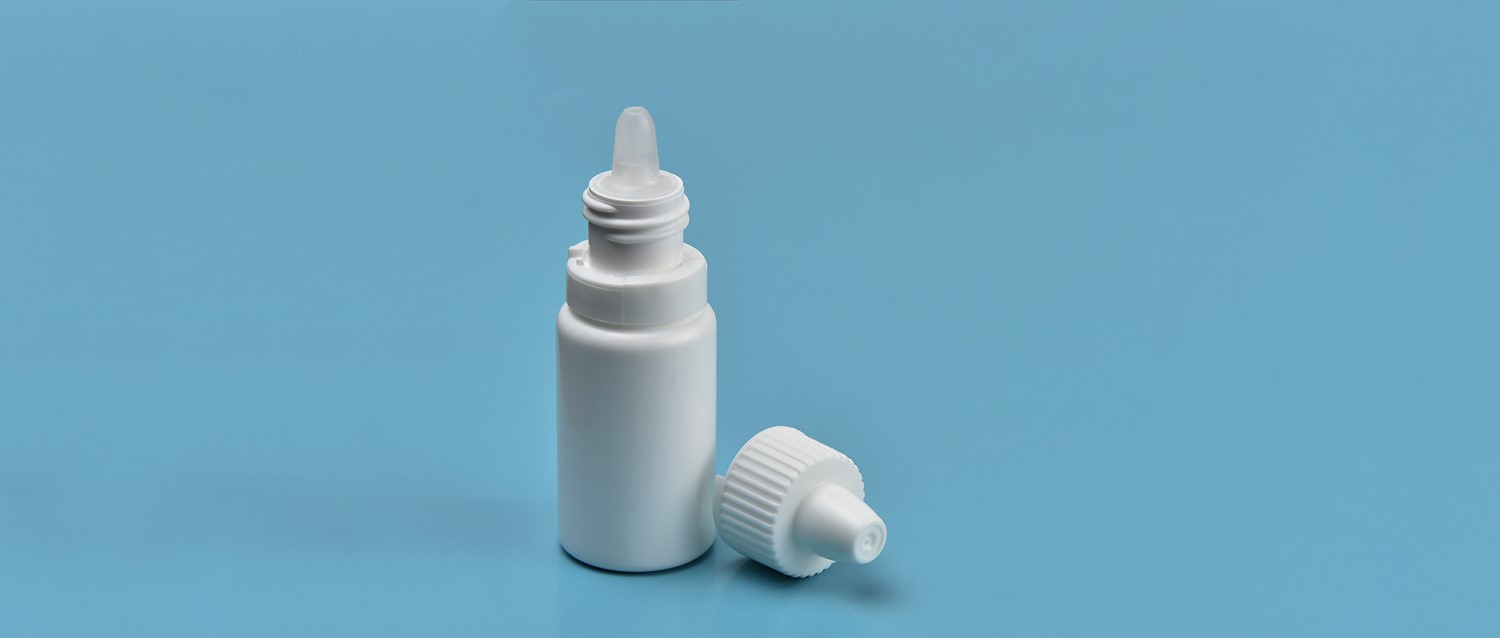
Comment utiliser les gouttes pour les yeux
Revu par Prof Cathy Jackson, MRCGPRédigé par Dr Mary Harding, MRCGPPublié à l'origine 11 oct. 2017
Respecte les directives éditoriales
- TéléchargerTélécharger
- Partager
- Language
- Discussion
- Version audio
- Ajouter aux sources préférées sur Google
Ce dépliant donne des conseils généraux sur l'utilisation de la plupart des collyres. Cependant, des instructions spécifiques peuvent vous être données, qui peuvent différer des conseils ci-dessous. Si vous avez des questions, demandez à votre pharmacien.
Using eye drops
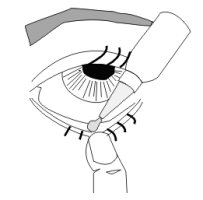
Diagram showing how to use eye drops
Wash your hands and sit or stand in front of a mirror.
Take off the top of the bottle.
Bend your head backwards and gently pull your lower eyelid down.
Hold the dropper above one eye. Squeeze one drop into the pocket formed by gently pulling down the lower eyelid. Try not to touch your eye, eyelashes, or anything else with the dropper tip in order to keep it clean.
Let go of the eyelid and keep the eye closed for as long as possible (2-3 minutes at least) after application of the eye drop, with your head tilted down towards the floor.
Press gently on the tear duct (inner corner of the eye) with one finger for a minute.
Wipe away any liquid that falls on to your cheek with a tissue.
Repeat in the other eye if the drop is prescribed for both eyes.
When two different eye drop preparations are used at the same time of day, wait for at least five minutes before putting the second drop into an eye. This stops the first drop from being diluted or washed away.
Some useful tips about eye drops
Keep the bottle closed in a cool, dark place (unless otherwise advised).
Do not let the dropper or dropper nozzle touch your eye, fingers, or any other surface. This is to keep it free from germs.
Do not let anyone else use your drops and do not use anyone else's drops yourself.
Keep the eye drops out of children's reach.
Throw out the bottle (and get a new one if required) after the recommended time. This is often four weeks after first opening the bottle. There is a risk that the drops may become infected if they are kept and used for longer than advised. (One tip is to write the date that you opened the bottle on the label so you will know when it is time to throw it out.)
Some eye drops come in disposable single-dose units rather than in bottles.
You may get a taste of eye drops in your mouth, or a feeling that the drops are running down your throat. This is normal as the tear duct which drains tears to your nose will also drain some of the eye drop. To prevent this gently press on the tear duct for a minute or so after applying the drop. This will also help prevent any of the eye medication getting into the rest of your system,
Some eye drops sting or irritate for a short while. Rarely, some people are allergic to some eye drops. Tell your doctor if eye symptoms become worse after using eye drops.
Do not drive until your vision has cleared.
Do not wear contact lenses whilst using eye drops unless otherwise advised. (Some drugs and preservatives in eye drops can accumulate in soft contact lenses and may cause harm.)
There are devices available to help people who have difficulty squeezing the bottle accurately. Your pharmacist should be able to advise you on how to obtain one.
How to give eye drops to children
This will depend on the age and co-operation of the child but can be a challenge. Depending on their age, you can:
Sit the child with their head tilted back.
Lay them flat on their back.
Ask another adult to hold them securely.
Wrap the child in a blanket to keep their arms and legs still.
Then apply the drop using the same instructions above.
If the child is very distressed and if it is the only way you can administer the drop, there is another option. However, this does not work so well; therefore, only use it as a last resort. Lay the child on their back with their eyes closed. Allow the drop to fall on the skin just next to the inner corner of the eye by the nose. As the child opens their eyes, some of the drop should enter the eye.
Sélections des patients pour Santé des yeux

Santé des yeux
Plus qu'un simple échec de mode : les dangers cachés des lunettes de soleil contrefaites
Les jours deviennent plus ensoleillés, et soyons honnêtes - bien que beaucoup d'entre nous attrapent des lunettes de soleil pour protéger nos yeux de l'éblouissement du soleil, nous sommes également attirés par elles pour leur style. Trop souvent, nous sacrifions la santé de nos yeux au profit d'un logo de créateur - espérant que quelqu'un remarquera le nom de la marque sur la monture. Si l'authentique est hors de portée, il est tentant d'opter pour des contrefaçons. Mais comme le prévient M. Alex Day, porter de fausses lunettes de soleil de créateur pourrait causer des dommages permanents et durables à votre vue.
par Victoria Raw

Santé des yeux
Votre bureau fatigue-t-il vos yeux ?
Une grande partie d'entre nous passe une part disproportionnée de son temps au bureau, ce qui peut avoir un impact néfaste sur la santé de nos yeux. Nous demandons à un optométriste des conseils sur la meilleure façon de protéger notre vision dans l'environnement de travail.
par Julian Turner
À propos de l'auteurVoir la biographie complète
Rédigé par

Dr Mary Harding, MRCGP
Médecin généraliste, Auteur médical
BA, MA, MB, BChir, MRCGP, DFFP
Le Dr Mary Harding a obtenu son diplôme de l'école de médecine de l'Université de Cambridge en 1989.
À propos du critiqueVoir la biographie complète

Prof Cathy Jackson, MRCGP
Auteur Médical
BSc (Hons) Physiology, MB, ChB, MRCGP, MD
La professeure Cathy Jackson a obtenu son diplôme de l'École de médecine de Manchester, ayant décroché au passage un diplôme avec mention très bien en physiologie.
Historique de l'article
Article également disponible en Anglais, Allemand, Espagnol, Français, Italien, Portugais, Hindi, Hébreu, Arabe, and Suédois.
11 oct. 2017 | Publié à l'origine
Écrit par :
Dr Mary Harding, MRCGPRevu par
Prof Cathy Jackson, MRCGP
Participez à la conversation
Partagez vos pensées ou expériences avec les autres dans notre communautés de patients.

Demandez, partagez, connectez-vous.
Parcourez les discussions, posez des questions et partagez vos expériences sur des centaines de sujets de santé.

Vous ne vous sentez pas bien ?
Évaluez vos symptômes en ligne gratuitement
Inscrivez-vous à la newsletter Patient
Votre dose hebdomadaire de conseils de santé clairs et fiables - rédigés pour vous aider à vous sentir informé, confiant et maître de la situation.
En vous abonnant, vous acceptez notre Politique de confidentialité. Vous pouvez vous désabonner à tout moment. Nous ne vendons jamais vos données.