Why do kids need the flu jab?
Peer reviewed by Dr Sarah JarvisLast updated by Ellie BroughtonLast updated 19 Oct 2020
Meets Patient’s editorial guidelines
- DownloadDownload
- Share
- Language
- Discussion
- Audio Version
- Add to preferred sources on Google
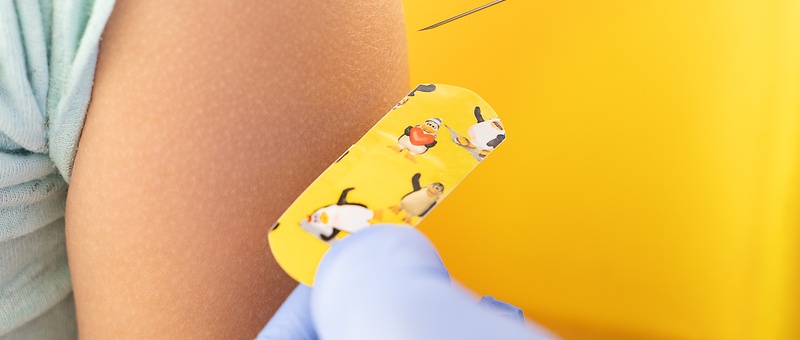
This winter, the NHS is launching its biggest ever flu vaccination campaign. Doctors and virologists explain why, and how giving consent for your children's vaccinations helps protect kids - and everyone else.
Seasonal flu clinics are always a massive operation for primary care in the UK, but this year's campaign dwarfs its predecessors in scope and ambition with more people than ever eligible for a free flu vaccination.
As well as offering free vaccinations to children aged 2-10 years, as covered by previous campaigns, this year children in England in their first year of secondary school (aged 11-12) are eligible for the first time. Across the UK, the eligibility criteria vary so those in Scotland, Wales and Northern Ireland should check the relevant NHS or government website. You can also find out whether you or your child are eligible, using the Patient flu eligibility checker.
But persistent myths and misunderstandings about flu and flu jabs could prevent some children accessing the vaccine, and reduce coverage in a dangerous year for public health. Understanding the science behind the flu vaccine keeps us all safe, and helps parents make decisions that protect us all.
'Super spreaders'
Vaccinating children not only prevents them from catching flu, it also prevents them from spreading it. In media coverage of flu and flu vaccination, children are often nicknamed 'super spreaders' for the disease. But what does this term actually mean?
To a certain extent, explains James Harker, a virologist at Imperial College London, it means what you'd expect: children touch more things and people than adults, wash their hands less and put more things in their mouths.
But, he adds, it also means that they are 'shedding' more viral particles.
"When children catch flu, for most of them it's the first time in their lives they've had it, which means that their immune systems aren't used to it," he explains. "This means children tend to have more 'viral replication' for a longer time - 'replication' means the amount of virus present in the mouth and nose. Children will be shedding a lot more virus than an adult who's already had the flu."
Myths
'No worse than a cold'
Despite years of public health messaging, some myths about flu simply won't go away. Probably the most common is the idea that flu is not a serious illness. Public Health England reported that 25 children died of the flu in the 2019-20 season, 13 of whom had underlying medical conditions.
Flu deaths vary every year, but in a 2013 paper about the 2008-9 season (which coincided with swine flu), there were 13,000 deaths from flu.
"Flu is nasty for children - it kills them, puts them in hospital and makes them very ill," Prof Helen Bedford, a professor of child health at Great Ormond Street Hospital, says.
"Young children are more likely to be admitted to hospital with flu than any other age group."
"The thing that will come up with flu is, 'I didn't think it was a problem with children' - but that's just not true," Prof David Elliman, a consultant community paediatrician at Great Ormond Street, says.
It's also a risk to pregnant women and their children.
"If you're pregnant and get the flu, you're more likely to end up in hospital," he says. "The chances of you delivering prematurely and having a baby of low birth weight are higher."
On a positive note, flu vaccination in the second and third trimester confers protection to newborns, he adds. So flu vaccination is not only safe for pregnant women but it can also offer their babies some protection against the virus
'Gives you flu'
The flu vaccine doesn’t give you flu, Prof Bedford says, despite worries people might have about it doing so. The adults' vaccine is inactivated, which means the flu virus in the vaccine is dead.
"If you get flu-like symptoms after the vaccine, it could be a reaction, which is very common - for example, feeling a bit hot or feverish, or a bit grotty," she says. "It could also be that you coincidentally caught flu before or around the same time you had the vaccination. There's nothing in there that can give you flu."
'Wrong strains'
Because the flu virus mutates every year, the vaccine has to change too. A new flu vaccine is developed based on which flu strains have recently circulated and which are likely to gain traction as the flu season begins. The experts creating the vaccine don't always make perfect predictions but having some protection against flu is better than none.
Still, Public Health England estimates that in children aged 2-17 the vaccine prevented 45% of flu cases in the last flu season. We won't know how effective this year's vaccine is until next year.
It is very difficult to make an argument against the vaccine on account of its effectiveness, because the alternative is not to vaccinate at all. Considering how safe the vaccine is, and how easy it is to access, its benefit to public health (especially this year) seems self-evident.
Personal decisions
For most children, the flu vaccine is not a jab but a nasal spray. People who don't eat pork - many of whom are Muslims and Jews, or vegetarians or vegans - may already know that the nasal spray contains pork gelatine. This ingredient helps keep the vaccine stable, making sure it lasts well and stays effective.
Neither the The Muslim Council of Britain (MCB), the Board of Deputies (BOD) nor the Vegetarian Society has recommended that anyone forgo the vaccine.
The BOD's medical advisor Prof David Katz explains, "The BOD has always strongly supported immunisation programmes. The 2020 flu vaccine is no exception. The Board of Deputies received clear-cut Rabbinic advice in the past: since this is not an oral vaccine, the porcine origin of the trace amounts of gelatine is irrelevant.
"Particularly this winter, with COVID-19 in the background, flu immunisation is critical, as well as making sure that all the standard immunisations - for example, against diseases such as whooping cough, diphtheria, polio and MMR - are given to Jewish children."
The MCB said of their own stance, "The Council conveys the views of a diverse range of scholars: that vaccines containing porcine are not permitted in Islam unless lives are at risk and there are no alternatives. Our view is not that Muslims should automatically refuse such treatment. Health is paramount; anyone concerned about the use of gelatine in vaccines must consult a medical practitioner and make an informed decision."
The Vegetarian Society said: "We understand many people may be conflicted about the idea of having to take non-vegetarian/vegan medicines, and some will find it upsetting. However, people should not put themselves at risk and should take medicines and vaccines they need, even if there are no vegetarian or vegan alternatives."
Finding out more
It may be that children whose parents refuse consent for the nasal spray will be eligible for an injected flu vaccine in November - the doctor can advise. Either way, it is absolutely fine for parents to discuss the vaccine with their doctor or practice nurse before clinics start, especially if they have questions not answered online.
"We understand that there will be some parents who may have questions about the vaccine for their children," Helen Donovan, a nurse and The Royal College of Nurses' public health lead, advises. "There are lots of useful and reputable sources of information for the public from Public Health England and the NHS; the RCN website shows a number of other good sources of information.
"Anyone who has questions about this can speak to their practice nurse at their GP surgery, their local pharmacist or, where available, the nurse at their child’s school."
Patient picks for Vaccinations

Children's health
Parents urged to vaccinate children as UK loses measles-free status
The UK has lost its World Health Organization measles-free status and the public are being urged to vaccinate their children against the life-threatening disease.
by Milly Evans
Children's health
Should your child get the chickenpox vaccine?
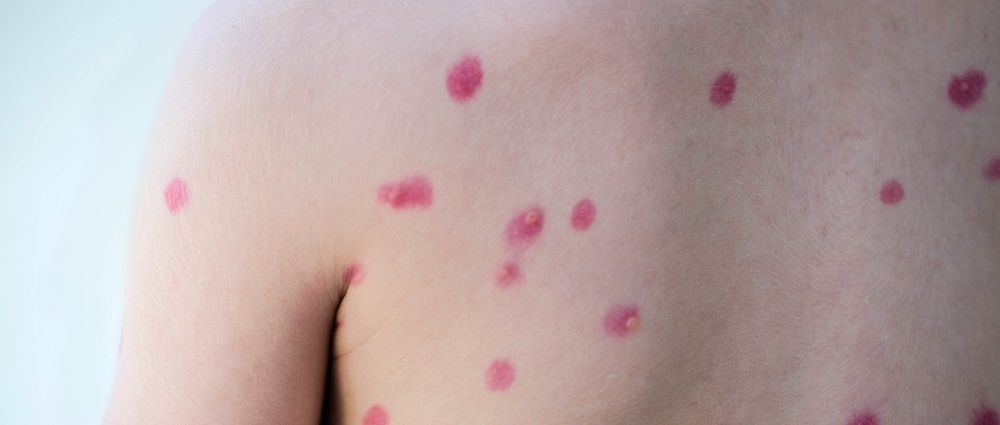
Many of us will remember having chickenpox as a child. The itchy red spots were almost impossible to stop scratching, but doing so could lead to scarring. In an attempt to soothe the itch, parents would douse us in calamine lotion and oatmeal baths. But now, instead of catching the virus to provide immunity, there’s another route parents can choose - the chickenpox vaccine.
by Lydia Smith
Frequently asked questions
My child has never had the flu before. Does this mean they will be more contagious if they catch it?
If it's the first time a child has caught the flu, their immune systems are not accustomed to the virus. This can lead to them having more 'viral replication' for a longer period, meaning they shed more virus than an adult who has previously had the flu. This makes them more contagious.
Is it true that taking the flu vaccine while pregnant can protect my baby after birth?
Yes, flu vaccination in the second and third trimesters of pregnancy can offer protection to newborns against the flu virus.
What should I do if my child gets flu-like symptoms soon after receiving the vaccine?
Experiencing flu-like symptoms such as feeling hot, feverish, or a bit unwell after the vaccine is a common reaction. It's also possible that your child coincidentally caught the flu just before or around the time of vaccination. There is nothing in the vaccine itself that can cause the flu.
How often does the flu vaccine change?
The flu virus mutates every year, so a new vaccine is developed annually. This is based on the strains that have recently circulated and those predicted to be prevalent in the upcoming flu season.
If my child cannot receive the nasal spray due to dietary or religious reasons, are there other options?
Yes, if parents refuse consent for the nasal spray, children may be eligible for an injected flu vaccine, typically available in November. A doctor can provide advice on this alternative.
About the author

Ellie Broughton
About the reviewerView full bio

Dr Sarah Jarvis
Clinical Consultant
MA (Cantab), BM, BCh (Oxon), DRCOG, FRCGP, MBE
After training in medicine at Cambridge and Oxford, Dr Sarah Jarvis MBE became a GP.
Article history
The information on this page is peer reviewed by qualified clinicians.
Article also available in English, German, Spanish, French, Italian, Portuguese, Hindi, Hebrew, Arabic, and Swedish.
19 Oct 2020 | Latest version
19 Oct 2020 | Originally published
Join the conversation
Share your thoughts or experiences with others in our patient communities.

Ask, share, connect.
Browse discussions, ask questions, and share experiences across hundreds of health topics.

Feeling unwell?
Assess your symptoms online for free
Sign up to the Patient newsletter
Your weekly dose of clear, trustworthy health advice - written to help you feel informed, confident and in control.
By subscribing you accept our Privacy Policy. You can unsubscribe at any time. We never sell your data.
More in children's health
- 1 in 5 children starting primary school are not fully protected against serious illnesses
- Bedwetting treatment options
- Does taking paracetamol in pregnancy lead to behavioural problems in kids?
- First period - supporting your child when they start menstruation
- How should we support children with autism?
- How to cope with the stress of being a new parent
- How to deal with empty nest syndrome at Christmas
- How to explain autism to your child
- How to manage tonsillitis in children
- How to spot ADHD signs in your child this summer
- How to spot the signs that your child is depressed
- How to tackle eating problems in children with autism
- Scarlet fever: a doctor's advice
- Signs of type 2 diabetes found in children as young as eight
- Student mental health: how to tell if your child is depressed at university
- What parents need to know about school entry health checks
- What should you do if your child is wheezing?
- What to do when your child can't sleep
- When should your baby's bedtime be?
- Why too much sugar is bad for children