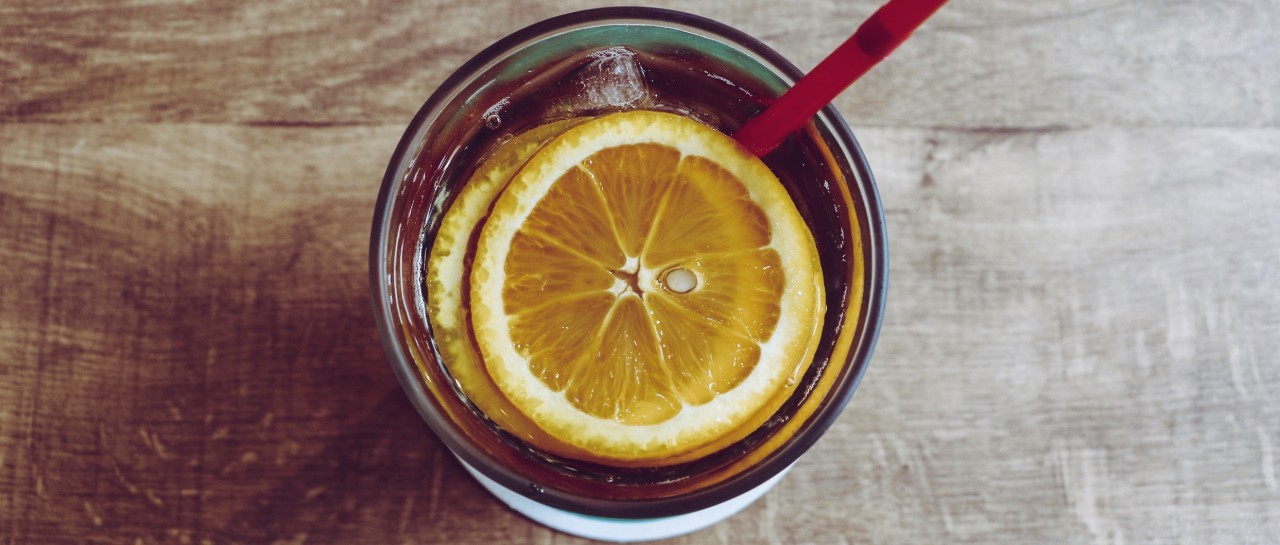
Deux boissons gazeuses par jour peuvent augmenter le risque de décès prématuré
Revu par Natalie HealeyDernière mise à jour par Milly EvansDernière mise à jour 4 sept. 2019
Respecte les directives éditoriales
- TéléchargerTélécharger
- Partager
- Language
- Discussion
- Version audio
- Ajouter aux sources préférées sur Google
A study has suggested that drinking soft drinks, including sugar-free, increases the risk of death.
The findings, published in the journal Jama Internal Medicine, found that drinking both sugary and artificially sweetened ('diet') soft drinks was associated with a higher risk of death.
The study looked at around 452,000 people from 10 European countries including Denmark, France, Greece, Germany, Italy, the Netherlands, Norway, Spain, Sweden and the UK.
The researchers looked at data from food questionnaires or interviews from 1992 to 2000. Participants were followed up an average of sixteen years later. In this time, 41,693 deaths were recorded.
The researchers found that when drinking two or more glasses of soft drinks a day, compared to drinking less than one a month, all types of soft drinks were associated with an increased risk of death from all causes. Those consuming two or more glasses were found to have an increased risk of circulatory diseases and those consuming just one glass a day had a higher risk of dying from digestive diseases.
Drinking soft drinks was not found to increase the risk of dying from le cancer.
The study is the largest of its kind. The researchers say that their findings support ongoing public health initiatives to encourage alimentation saine and reduce soft drink consumption. But this research only shows a correlation between soft drinks and early death. It does not prove fizzy beverages causer early death. Additionally, the findings relied on participants reporting their soft drink intake, which may not be reliable.
"Our results for sugar-sweetened soft drinks provide further support to limit consumption and to replace them with other healthier beverages, preferably water," study coauthor Neil Murphy, a scientist at the International Agency for Research on Cancer, told Reuters. "For artificially sweetened soft drinks, we now need a better understanding of the mechanisms that may underlie this association and research such as ours will hopefully stimulate these efforts."
Cette étude a été publiée dans Jama Internal Medicine.
Sélections des patients pour Alimentation saine
Régime et nutrition
Quels aliments ultra-transformés sont sûrs - et lesquels devons-nous éviter ?
Les aliments ultra-transformés sont associés au cancer, aux maladies cardiaques et au diabète de type 2. Pourtant, bien que certains aliments augmentent votre risque de développer ces maladies, de nouvelles recherches montrent que tous les aliments transformés ne sont pas aussi mauvais pour vous que nous le pensons.
par Lydia Smith
Régime et nutrition
Manger en pleine conscience : comment ralentir et apprécier votre nourriture
Si vous êtes comme moi, il y a des moments où vous pourriez vous précipiter à travers vos repas sans considérer si vous mangez plus que ce dont votre corps a besoin. Manger en pleine conscience est la pratique de ralentir et de prêter attention aux signaux de votre corps - surtout lorsqu'il vous dit que vous êtes rassasié.
par Victoria Raw
À propos de l'auteurVoir la biographie complète

Milly Evans
Rédactrice
Milly écrit sur une gamme de sujets liés à la santé, avec un intérêt particulier pour les inégalités en santé et la santé sexuelle.
À propos du critiqueVoir la biographie complète

Natalie Healey
Journaliste indépendante
Licence (Hons) en Sciences Biomédicales
Elle est une journaliste de santé basée à Londres qui écrit sur la science et la médecine depuis plusieurs années. Elle est l'ancienne responsable éditoriale chez Patient.
Historique de l'article
Les informations sur cette page sont examinées par des cliniciens qualifiés.
Article également disponible en Anglais, Allemand, Espagnol, Français, Italien, Portugais, Hindi, Hébreu, Arabe, and Suédois.
4 sept. 2019 | Dernière version

Demandez, partagez, connectez-vous.
Parcourez les discussions, posez des questions et partagez vos expériences sur des centaines de sujets de santé.

Vous ne vous sentez pas bien ?
Évaluez vos symptômes en ligne gratuitement
Inscrivez-vous à la newsletter Patient
Votre dose hebdomadaire de conseils de santé clairs et fiables - rédigés pour vous aider à vous sentir informé, confiant et maître de la situation.
En vous abonnant, vous acceptez notre Politique de confidentialité. Vous pouvez vous désabonner à tout moment. Nous ne vendons jamais vos données.
Plus sur l'alimentation et la nutrition
- 12 régimes fiables pour vos objectifs de nouvelle année
- 9 bienfaits des graines de chia pour la santé
- Les compléments pour les douleurs articulaires valent-ils votre argent ?
- Le kombucha peut-il améliorer votre santé ?
- Les applications de régime basées sur la psychologie peuvent-elles vous aider à manger plus consciemment ?
- Les probiotiques favorisent-ils des cheveux en bonne santé ?
- Vous avez faim et êtes de mauvaise humeur ? Pourquoi nous nous mettons en colère quand nous avons faim
- Passez un Diwali en bonne santé - substitutions alimentaires et recettes
- Combien d'eau devriez-vous boire par jour ?
- Comment définir des objectifs de santé réalisables
- Comment arrêter vos envies de sucre
- Faire les courses au supermarché pour des aliments qui aident les articulations raides et douloureuses
- Le dernier superaliment - pourquoi tout ce tapage autour des micro-pousses ?
- Le régime de longévité - peut-il ajouter des années à votre vie ?
- Aliments ultra-transformés : Les laits sans produits laitiers comme l'avoine ou le soja sont-ils bons pour nous ?
- Quels sont les bienfaits de la vitamine A ?
- Quels sont les bienfaits pour la santé des aliments épicés ?
- Qu'est-ce que la choline ? Le nutriment pour votre mémoire, vos muscles et plus encore
- Qu'est-ce que le régime atlantique ?
- Pourquoi les fibres sont vos amies