cartilage oligomeric matrix protein
Dernière mise à jour 18 Aug 2020
Respecte les directives éditoriales
- TéléchargerTélécharger
- Partager
- Language
- Discussion
- Version audio
- Ajouter aux sources préférées sur Google
La COMP gene provides the instructions for making the COMP protein. This protein is found in the extracellular matrix, which is an intricate lattice of proteins and other molecules that forms in the spaces between cells. Specifically, the COMP protein is located in the extracellular matrix surrounding the cells that make up ligaments and tendons, and near cartilage-forming cells (chondrocytes). Chondrocytes play an important role in bone formation (osteogenesis). In the bones of the spine, hips, and limbs, the process of osteogenesis starts with the formation of cartilage, which is then converted into bone.
Normal function
La COMP gene provides the instructions for making the COMP protein. This protein is found in the extracellular matrix, which is an intricate lattice of proteins and other molecules that forms in the spaces between cells. Specifically, the COMP protein is located in the extracellular matrix surrounding the cells that make up ligaments and tendons, and near cartilage-forming cells (chondrocytes). Chondrocytes play an important role in bone formation (osteogenesis). In the bones of the spine, hips, and limbs, the process of osteogenesis starts with the formation of cartilage, which is then converted into bone.
The normal function of the COMP protein is not fully known. It is believed to play a role in cell growth and division (proliferation) and the self-destruction of cells (apoptosis), as well as in the regulation of cell movement and attachment. Research has also shown that the COMP protein binds strongly to calcium.
Conditions referring to this gene or chromosome
Other names
cartilage oligomeric matrix protein (pseudoachondroplasia, epiphyseal dysplasia 1, multiple)
COMP_HUMAN
EDM1
EPD1
MED
PSACH
pseudoachondroplasia (epiphyseal dysplasia 1, multiple)
THBS5
thrombospondin-5
Related patient information and medicines
Patient information leaflet
Trouble de l'articulation temporo-mandibulaire (ATM)
Troubles temporo-mandibulaires are problems affecting le jaw joint et le muscles and other tissues around the jaw joint. These disorders usually cause pain or reduced movement of the jaw, an... Muscles attached to the skull and jawbone cause the jawbone to move as the mouth is opened and closed. Inside the jaw joint, there is a smooth material.
Patient information leaflet
Polyarthrite rhumatoïde
The movement of the bones is caused by muscles which pull on tendons that are attached to bone. Cartilage covers the end of bones. Between the cartilage of two bones that form a joint there is a small amount of thick fluid called synovial fluid. This lubricates the joint, which allows smooth movement between the bones. In a minority of cases the.

Patient information leaflet
Puis-je prendre de la glucosamine et du millepertuis ensemble ?
T... It is generally considered safe to take these two supplements together. Why this happens Glucosamine is primarily used by the body to build cartilage and does not significantly affect the liver enzymes (Cytochrome P450) that St John's wort is known to influence. St John's wort works by altering brain chemicals and speeding up the breakdown of.

Patient information leaflet
Puis-je prendre de la glucosamine et de la vitamine C ensemble ?
In fact, these two substances are often taken together because they both play a role in maintaining healthy joints and connective tissues. Why this happens Glucosamine is a building block for cartilage, while vitamin C is essential for the body to produce collagen, the protein that holds joints together. They work through different pathways in the.
Patient information leaflet
Arthrite
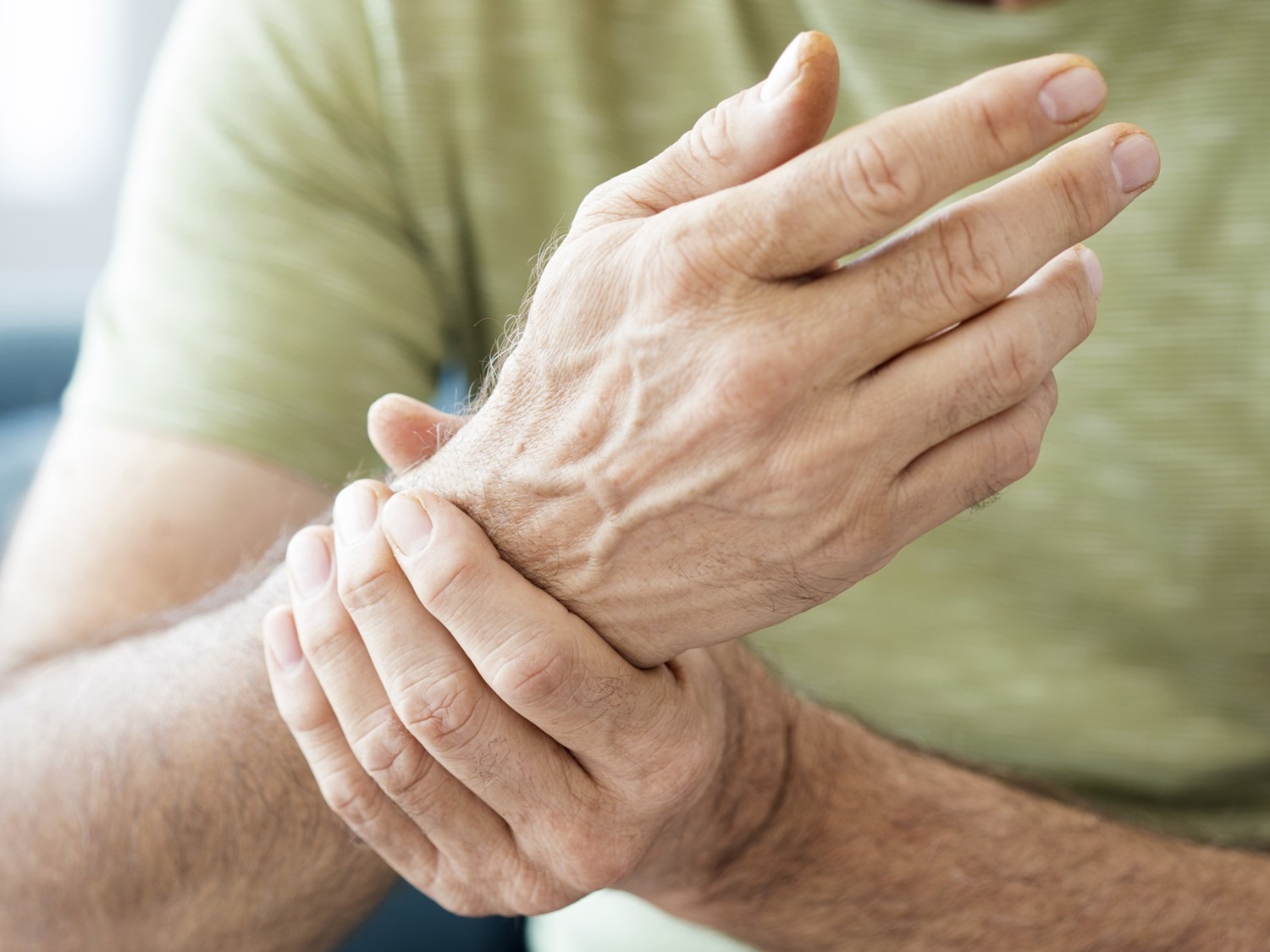
Arthritis means inflammation in a joint (like your knee, hip, elbow or fingers). The movement of the bones is caused by muscles which pull on tendons that are attached to bone. Cartilage covers the end of bones. Between the cartilage of two bones that form a joint there is a small amount of thick fluid called synovial fluid. This lubricates the.
Patient information leaflet
Chirurgie de réduction du nez (rhinoplastie)
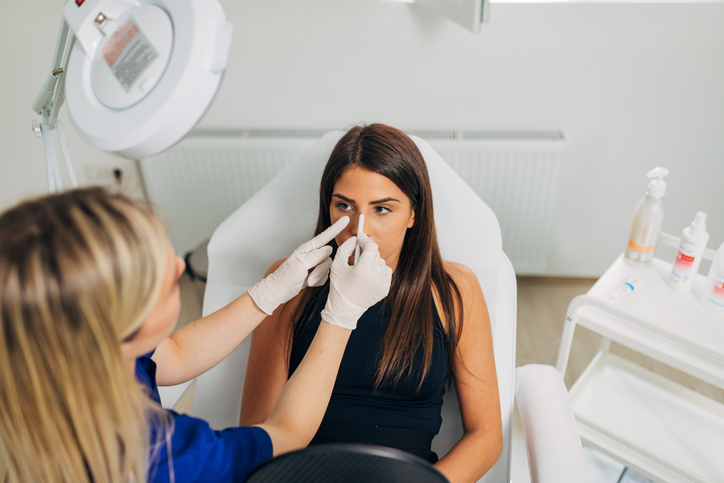
This leaflet is provided by the British Association of Aesthetic Plastic Surgeons , the professional body responsible for the advancement of education and safety in aesthetic plastic surgery. Surgery to reshape t... The skin itself is not touched. The frame of the nose which is made up of bone in its upper half and gristle (cartilage) in its lower.
Lectures complémentaires et références
- cartilage oligomeric matrix protein; MedlinePlus, National Library of Medicine.
- Briggs MD, Chapman KL. Pseudoachondroplasia and multiple epiphyseal dysplasia: mutation review, molecular interactions, and genotype to phenotype correlations. Hum Mutat. 2002 May;19(5):465-78. doi: 10.1002/humu.10066.
- Chen TL, Posey KL, Hecht JT, Vertel BM. COMP mutations: domain-dependent relationship between abnormal chondrocyte trafficking and clinical PSACH and MED phenotypes. J Cell Biochem. 2008 Feb 15;103(3):778-87. doi: 10.1002/jcb.21445.
- Developmental Biology (sixth edition, 2000): Osteogenesis: The Development of Bones
- Gagarina V, Carlberg AL, Pereira-Mouries L, Hall DJ. Cartilage oligomeric matrix protein protects cells against death by elevating members of the IAP family of survival proteins. J Biol Chem. 2008 Jan 4;283(1):648-659. doi: 10.1074/jbc.M704035200. Epub 2007 Nov 8.
- Hecht JT, Makitie O, Hayes E, Haynes R, Susic M, Montufar-Solis D, Duke PJ, Cole WG. Chondrocyte cell death and intracellular distribution of COMP and type IX collagen in the pseudoachondroplasia growth plate. J Orthop Res. 2004 Jul;22(4):759-67. doi: 10.1016/j.orthres.2003.11.010.
- Jakkula E, Makitie O, Czarny-Ratajczak M, Jackson GC, Damignani R, Susic M, Briggs MD, Cole WG, Ala-Kokko L. Mutations in the known genes are not the major cause of MED; distinctive phenotypic entities among patients with no identified mutations. Eur J Hum Genet. 2005 Mar;13(3):292-301. doi: 10.1038/sj.ejhg.5201314.
- Posey KL, Yang Y, Veerisetty AC, Sharan SK, Hecht JT. Model systems for studying skeletal dysplasias caused by TSP-5/COMP mutations. Cell Mol Life Sci. 2008 Mar;65(5):687-99. doi: 10.1007/s00018-007-7485-0.
- Zankl A, Jackson GC, Crettol LM, Taylor J, Elles R, Mortier GR, Spranger J, Zabel B, Unger S, Merrer ML, Cormier-Daire V, Hall CM, Wright MJ, Bonafe L, Superti-Furga A, Briggs MD. Preselection of cases through expert clinical and radiological review significantly increases mutation detection rate in multiple epiphyseal dysplasia. Eur J Hum Genet. 2007 Feb;15(2):150-4. doi: 10.1038/sj.ejhg.5201744. Epub 2006 Nov 29.
Participez à la conversation
Partagez vos pensées ou expériences avec les autres dans notre communautés de patients.

Demandez, partagez, connectez-vous.
Parcourez les discussions, posez des questions et partagez vos expériences sur des centaines de sujets de santé.
Inscrivez-vous à la newsletter Patient
Votre dose hebdomadaire de conseils de santé clairs et fiables - rédigés pour vous aider à vous sentir informé, confiant et maître de la situation.
En vous abonnant, vous acceptez notre Politique de confidentialité. Vous pouvez vous désabonner à tout moment. Nous ne vendons jamais vos données.