What are whole exome sequencing and whole genome sequencing?
Respecte les directives éditoriales
- TéléchargerTélécharger
- Partager
- Language
- Discussion
- Ask Patient
- Version audio
- Ajouter aux sources préférées sur Google
Determining the order of DNA building blocks (nucleotides) in an individual's genetic code, called DNA sequencing, has advanced the study of genetics and is one technique used to test for genetic disorders. Two methods, whole exome sequencing and whole genome sequencing, are increasingly used in healthcare and research to identify genetic variations; both methods rely on new technologies that allow rapid sequencing of large amounts of DNA. These approaches are known as next-generation sequencing (or next-gen sequencing).
Sélections vidéo pour Understanding geneticsBibliothèque vidéo
Aperçu
Determining the order of DNA building blocks (nucleotides) in an individual's genetic code, called DNA sequencing, has advanced the study of genetics and is one technique used to test for genetic disorders. Two methods, whole exome sequencing and whole genome sequencing, are increasingly used in healthcare and research to identify genetic variations; both methods rely on new technologies that allow rapid sequencing of large amounts of DNA. These approaches are known as next-generation sequencing (or next-gen sequencing).
The original sequencing technology, called Sanger sequencing (named after the scientist who developed it, Frederick Sanger), was a breakthrough that helped scientists determine the human genetic code, but it is time-consuming and expensive. The Sanger method has been automated to make it faster and is still used in laboratories today to sequence short pieces of DNA, but it would take years to sequence all of a person's DNA (known as the person's genome). Next-generation sequencing has sped up the process (taking only days to weeks to sequence a human genome) while reducing the cost.
With next-generation sequencing, it is now feasible to sequence large amounts of DNA, for instance all the pieces of an individual's DNA that provide instructions for making proteins. These pieces, called exons, are thought to make up 1 percent of a person's genome. Together, all the exons in a genome are known as the exome, and the method of sequencing them is known as whole exome sequencing. This method allows variations in the protein-coding region of any gene to be identified, rather than in only a select few genes. Because most known mutations that cause disease occur in exons, whole exome sequencing is thought to be an efficient method to identify possible disease-causing mutations.
However, researchers have found that DNA variations outside the exons can affect gene activity and protein production and lead to genetic disorders--variations that whole exome sequencing would miss. Another method, called whole genome sequencing, determines the order of all the nucleotides in an individual's DNA and can determine variations in any part of the genome.
While many more genetic changes can be identified with whole exome and whole genome sequencing than with select gene sequencing, the significance of much of this information is unknown. Because not all genetic changes affect health, it is difficult to know whether identified variants are involved in the condition of interest. Sometimes, an identified variant is associated with a different genetic disorder that has not yet been diagnosed (these are called incidental or secondary findings).
In addition to being used in the clinic, whole exome and whole genome sequencing are valuable methods for researchers. Continued study of exome and genome sequences can help determine whether new genetic variations are associated with health conditions, which will aid disease diagnosis in the future.
Related patient information and medicines

Patient information leaflet
Tests génétiques
Tests génétiques examine a person's DNA in a variety of ways to assess a person's génétiques health. They are all designed to identify a particular gene that may cause a genetic disorder. We all have 46 chromosomes in our cells. Sometimes a gene may change (this is called a mutation) and either cause or increase the risk of a disease or disorder. Note :.
Patient information leaflet
Amniocentèse
A note about ADN, gènes et chromosomes In most cells of your body you have 46 chromosomes arranged in 23 pairs. 22 of the pairs are matching pairs. The 23rd pair are the sex chromosomes, which match exactly in women (who have two X chromosomes) but not in men (who have one X and one Y). One chromosome from each pair comes from your mother and one.
Patient information leaflet
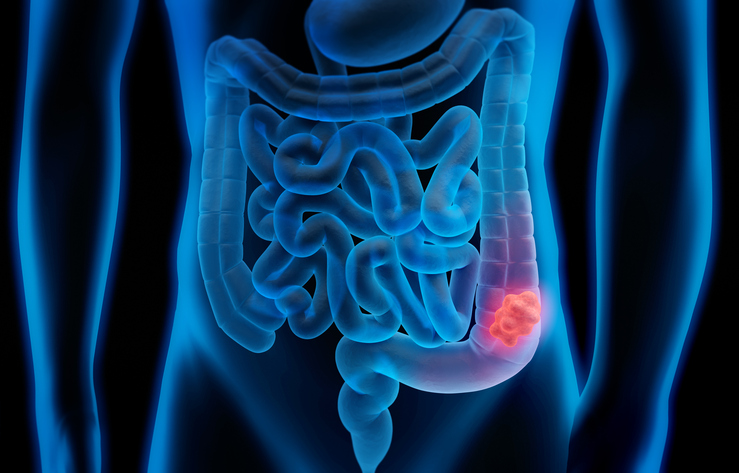
Cancer du côlon
Colon cancer and rectal cancer (also called colorectal cancer) are common in the UK. The colon and rectum are parts of your bowel. In general, the more advanced the cancer (the more it has grown and spread), the less chance that treatment will be curative. What is bowel cancer? | Patient Explainers Colon cancer and rectal cancer (also called.
Patient information leaflet
Déficience de la vision des couleurs
PatientPicksPlaceholder ... For most people with colour vision deficiency the cause is inherited (genetic) and the special code inside each cell in your body (the gene) is passed on from your parents. The most common type - red-green colour blindness - is caused by an abnormal gene sur le X chromosome and is much more common in males. Much more.
Patient information leaflet
scanner CT
Note : the information below is a general guide only. The arrangements, and the way tests are performed, may vary between different hospitals. Always follow the instructions given by your doctor or local hospital. What is a CT scan. A CT scan is a specialised X-ray test. It can give quite clear pictures of the inside of your body. In particular,.

Patient information leaflet
Colposcopie et traitements cervicaux
Quoi is a colposcopy. During colposcopy, a small piece of tissue may be taken from the cervix. The tissue is then examined in even closer detail in the laboratory to allow further assessment of the cells. Note : the information below is a general guide only. The arrangements, and the way tests are performed, may vary between different hospitals..
Lectures complémentaires et références
- What are whole exome sequencing and whole genome sequencing?; MedlinePlus, National Library of Medicine.
Partagez vos pensées ou expériences avec les autres dans notre communautés de patients.
Accès simple à des traitements fiables et à des services de santé en ligne.
Common conditions
Get help with common conditions through the NHS, without a GP appointment.





Inscrivez-vous à la newsletter Patient
Votre dose hebdomadaire de conseils de santé clairs et fiables - rédigés pour vous aider à vous sentir informé, confiant et maître de la situation.
En vous abonnant, vous acceptez notre Politique de confidentialité. Vous pouvez vous désabonner à tout moment. Nous ne vendons jamais vos données.