
Comment gérer le TDAH : conseils pratiques pour la vie quotidienne
Revu par Dr Krishna Vakharia, MRCGPAuthored by Victoria RawPublié à l'origine 16 oct. 2024
Respecte les directives éditoriales
- TéléchargerTélécharger
- Partager
- Language
- Discussion
- Version audio
- Add to preferred sources on Google
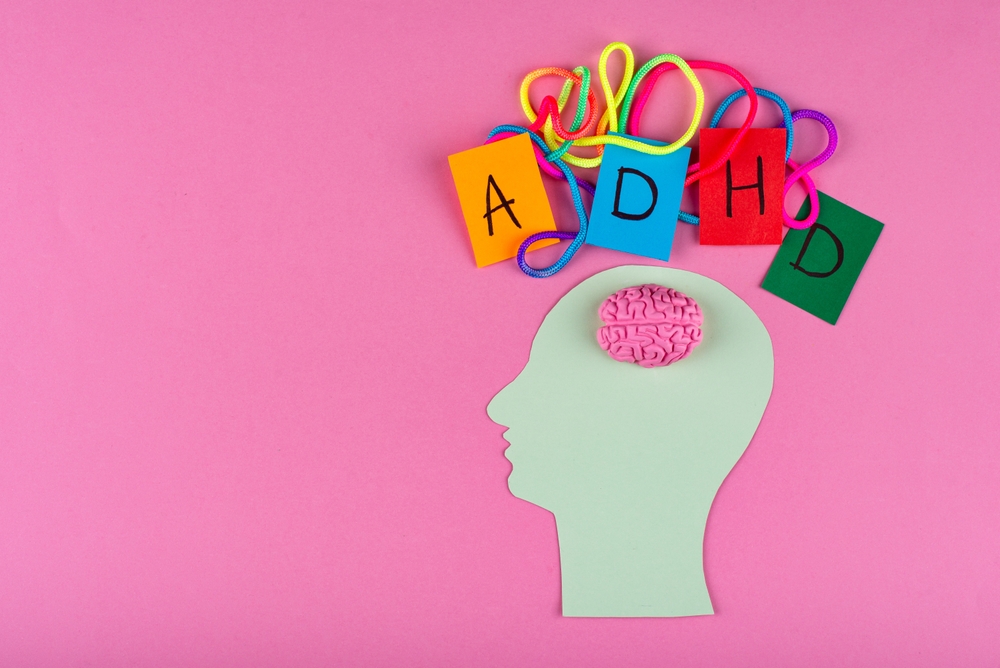
Le trouble du déficit de l'attention avec ou sans hyperactivité (TDAH) est une affection neurologique qui affecte chaque personne différemment. Si vous avez un TDAH, cela peut entraîner des symptômes tels que l'agitation, un comportement impulsif et des difficultés de concentration. Il est important de traiter le TDAH dès que possible pour vous aider à gérer vos symptômes, améliorer votre bien-être et renforcer vos relations.
Dans cet article:
Video picks for TDAH
According to the National Institute for Health and Care Excellence (NICE), around 5% of children and 4% of adults in the UK have ADHD. However, this figure is likely underestimated due to the number of people waiting to be diagnosed.
People living with ADHD may struggle with:
Organisation.
Concentration.
Time management.
Stress and anxiety.
Communication.
Dr Tom MacLaren, consultant psychiatrist, Re:CognitionHealth, London explains: "Many people with ADHD experience mood swings, irritability, and difficulties in personal and professional relationships."
He adds that while certain medicines can improve focus and reduce impulsivity, incorporating healthy lifestyle habits can also help improve your overall wellbeing.
"The most important thing is finding what works best for you," he says.
Continuez à lire ci-dessous
Tips to help with organisation
If you have ADHD, you may struggle with managing tasks and meeting deadlines, which can leave you feeling overwhelmed. Delaying tasks or rushing them are also common challenges.
Streamline your surroundings
Reducing clutter in your home or work environment as a way to improve your organisational skills. This can help your productivity and focus, lower your stress levels, and save time spent searching for items.
"Creating a more organised and structured environment can start with regular decluttering," MacLaren says. "However, if you find that a “maximalist” over "minimalist" environment works better for you, don’t feel pressured to change it drastically."
Keep essentials within reach
Keeping frequently used items in familiar places can help your organisational skills.
MacLaren says this can help you avoid losing track of them.
Group similar items together - such as medicines or stationery - in drawers or cupboards. Consider using labels if this makes them even easier to find. Clear storage containers are also helpful, as they allow you to quickly identify their contents, even when they're put away.
Colour-coding documents and storing them neatly in files can help you locate the right information quickly.
Plan ahead
There are many innovative ways to help you keep track of your schedule. MacLaren recommends using daily planners, calendars, and digital reminders - especially for important appointments - as a strategy for staying organised.
You can also make a daily to-do list to record unfinished tasks as well as completed ones.
Tips to help with concentration
Retour au sommaireHaving trouble focusing and becoming easily distracted is a key symptom of ADHD. However, certain techniques can help improve your concentration.
Break tasks into manageable pieces
To enhance focus, concentration and impulsivity, it is helpful to set clear goals by prioritising one task at a time.
For example, if you are gardening, tackle one section of your garden per day throughout the week, rather than attempting to do the entire space at once.
MacLaren says that using timers - such as the Pomodoro technique - can also improve your attention span for shorter periods.
The Pomodoro technique
This is a common practice that promotes focused work.
Each work session - called a 'pomodoro' - consists of a focused 25-minute timespan.
For each pomodoro, set a timer and focus completely - without distractions - on the chosen task for that time.
When the timer goes off, stop working - even if you feel the task is unfinished.
Take a break of 3-5 minutes between each pomodoro before moving on to the next task.
After completing four pomodoros, take a longer break of 15-30 minutes to rest and recharge.
Minimise distractions
Many people with ADHD find they're able to concentrate better with fewer distractions.
"Reducing distractions in your environment is key," says MacLaren. "Ask your employer about ways to work in a quieter space, or consider working remotely in a location where you feel more productive."
Continuez à lire ci-dessous
Tips for managing your mental and physical health
Retour au sommaireDifficulty managing responsibilities can contribute to increased stress and anxiety in people with ADHD. Struggling to stay focused during conversations or express thoughts clearly can test relationships and affect social interactions.
Mindfulness and relaxation
One way to help manage the effects that ADHD might have on your mental health is to embrace mindfulness and relaxation techniques.
MacLaren suggests practices such as deep breathing and yoga to overcome emotional challenges. They may also help reduce impulsivity and improve focus.
"These are often available at local gyms or health clubs," he says. "Numerous online resources and mobile apps offer guided meditation and mindfulness sessions."
Work on relationships and communication
If you have ADHD you may frequently encounter challenges in both personal and professional relationships. Resources such as apps, websites and talking therapies - supervised by a mental health professional - can help you improve communication issues and navigate emotional obstacles.
MacLaren advises that clear and specific communication is essential to avoid misunderstandings - especially when providing instructions at work. Practising empathy and patience is important for building strong relationships, whether it’s listening attentively to your partner’s stories or asking about their day before sharing your own.
"One effective approach is active listening, where you focus fully on the speaker and respond thoughtfully," says MacLaren. "Letting the other person speak for 10-20 seconds before contributing can help them feel heard and validated."
Stay active
Exercise is another proven method to help reduce stress and improve mood.
MacLaren says: "Exercise can be a great way to relieve stress, reflect on disagreements, and see situations from a new perspective."
He adds that regular exercise can also boost overall wellbeing and help establish a routine - something that is particularly helpful for managing ADHD symptoms.
Eat a nutritious diet
Certain dietary changes or supplements can help with ADHD symptoms.
MacLaren says: "Omega-3 fatty acids - found in fish oil - have been shown to improve focus in people with ADHD. It's recommended you include two to three portions of oily fish per week for a healthy source of these fats.
"Zinc and magnesium may help with hyperactivity and impulsivity, though a simple multivitamin is often enough. It’s important to maintain a balanced diet and limit ultra-processed foods, refined sugars, and unhealthy fats, while still allowing for the occasional indulgence."
Thérapie cognitivo-comportementale (TCC)
Cognitive behavioural therapy (CBT) can be effective not only for ADHD but for co-occurring conditions such as anxiety and depression.
MacLaren explains that several weeks of therapy may help you develop skills to manage your symptoms.
"Group therapy can also be a way to see how others with ADHD have benefited from talking therapy," he adds. "There are many types of talking therapies available - talk to your doctor about which option may work best for you."
Consider contacting or joining a support group for people with ADHD. The charity AADD-UK offers a directory of support groups available throughout the UK. This can connect you with others who understand your experiences and can offer valuable support.
Patient picks for TDAH
Cerveau et nerfs
Diagnostic du TDAH : Comment obtenir un diagnostic et à quoi s'attendre
If you’ve ever suspected you might have ADHD, the idea of getting diagnosed can feel both relieving and intimidating at the same time. In this article, we speak to Dr Khan, an ADHD expert from Well Life Clinic, about the diagnosis process and what to expect if you think you may have ADHD.
par Heather Ainsworth
Cerveau et nerfs
What are the signs of ADHD in women?
In school, boys are twice as likely to be diagnosed with attention deficit hyperactivity disorder (ADHD) as girls. Experts now believe that this gap isn't because more boys develop ADHD, but because many girls go undiagnosed. As ADHD diagnoses in adult women surge, we explore the differences in symptoms between girls/women and boys/men, as well as the signs grown women can look out for in daily life.
par Amberley Davis
Continuez à lire ci-dessous
About the authorView full bio

Victoria Raw
Feature Writer
BA (Hons), English Literature
Victoria is a content writer with Patient whose special interests focus on mental wellbeing, societal trends and the impact of technology on our health.
About the reviewerView full bio

Dr Krishna Vakharia, MRCGP
Chief Medical Officer for Health, Optum UK
MBChB, MRCGP(2013), BMedSci (hons), DFSRH, DRCOG, PGDipDerm (Distn)
Dr Krishna Vakharia is an NHS GP. She is also a regular examiner for the postgraduate Diploma in Practical Dermatology at Cardiff University as well as being the Chief Medical Officer for health at Optum UK.
Historique de l'article
Les informations sur cette page sont examinées par des cliniciens qualifiés.
Prochaine révision prévue : 17 oct. 2027
16 oct. 2024 | Publié à l'origine
Écrit par :
Victoria RawRevu par
Dr Krishna Vakharia, MRCGP

Demandez, partagez, connectez-vous.
Parcourez les discussions, posez des questions et partagez vos expériences sur des centaines de sujets de santé.

Vous ne vous sentez pas bien ?
Évaluez vos symptômes en ligne gratuitement
Inscrivez-vous à la newsletter Patient
Votre dose hebdomadaire de conseils de santé clairs et fiables - rédigés pour vous aider à vous sentir informé, confiant et maître de la situation.
By subscribing you accept our Politique de confidentialité. Vous pouvez vous désabonner à tout moment. Nous ne vendons jamais vos données.