
Le NHS ouvre des cliniques sans rendez-vous pour les survivantes de MGF
Revu par Joe CrowtherDernière mise à jour par Milly EvansDernière mise à jour 16 sept. 2019
Respecte les directives éditoriales
- TéléchargerTélécharger
- Partager
- Language
- Discussion
- Version audio
- Ajouter aux sources préférées sur Google
Le NHS lance des cliniques spécialisées à travers l'Angleterre pour soutenir les survivantes de mutilations génitales féminines (MGF).
Selon NHS England, the clinics will provide expert care, support and treatment to more than 1,300 women in England. The clinics aim to identify women and girls over the age of 18 who have survived FGM before they become pregnant. The eight new clinics opened across Birmingham, Bristol, London and Leeds on 12th September.
The clinics will provide specialist services from doctors, midwives, nurses and counsellors. FGM Health Advocates will offer patients advice on accessing other services.
Female genital mutilation is a procedure where the female genitals are deliberately injured, cut or changed. It is usually carried out on children or young teenagers. There is no medical reason for this procedure. It is illegal in the UK and classified as child abuse. It is internationally recognised as a violation of human rights.
FGM can result in death and many women experience long-term complications. In the last three months, almost 1,000 women and girls were identified as survivors of FGM in England. Currently, most girls and women are not identified until they become pregnant.
"Survivors of FGM deserve to be heard and supported," said Hilary Garratt, Deputy Chief Nursing Officer for England. "That is exactly what the NHS is working with them and others to achieve. Not only are we supporting individual women, but the impact this has on their families, communities and, of equal importance, the next generation.
"These new NHS clinics will benefit hundreds of women who have suffered this most severe form of abuse and violence. These are clinics for women, run by women."
The walk-in clinics will provide tailored care packages for each woman's needs. As well as offering treatment, they will support women to be able to talk openly about their experience of FGM. The clinics will prioritise support for women aged 18-25 before they fall pregnant as FGM can cause complications during childbirth. Community groups will be working with the new FGM service to provide education and seek to change the culture around FGM.
Health Secretary Matt Hancock highlighted the need for the NHS to provide more support to survivors at the right time. "I've been incredibly moved by the stories of girls and women who have been subjected to FGM and am determined to do everything I can to support the survivors of this horrific act. FGM continues to devastate lives and it is vital the NHS does what it can to help.
"It's absolutely crucial we reach more women so they can access support services that take care of mental, emotional, physical and clinical needs," he said. "These clinics will have a profound impact - helping women who have been violated in the most traumatic of ways to move on from this violence and lead happier, healthier lives."
Sélections des patients pour Cabinet médical et services du NHS

Santé générale et mode de vie
Qu'est-ce qu'un certificat médical et quand en avez-vous besoin ?
Si vous êtes trop malade ou blessé pour travailler, votre employeur peut demander un certificat médical. Dans cet article, nous expliquons ce qu'est un certificat médical, quand vous en avez besoin et comment l'obtenir.
par Heather Ainsworth
Santé générale et mode de vie
Quand devez-vous vraiment vous rendre aux urgences ?
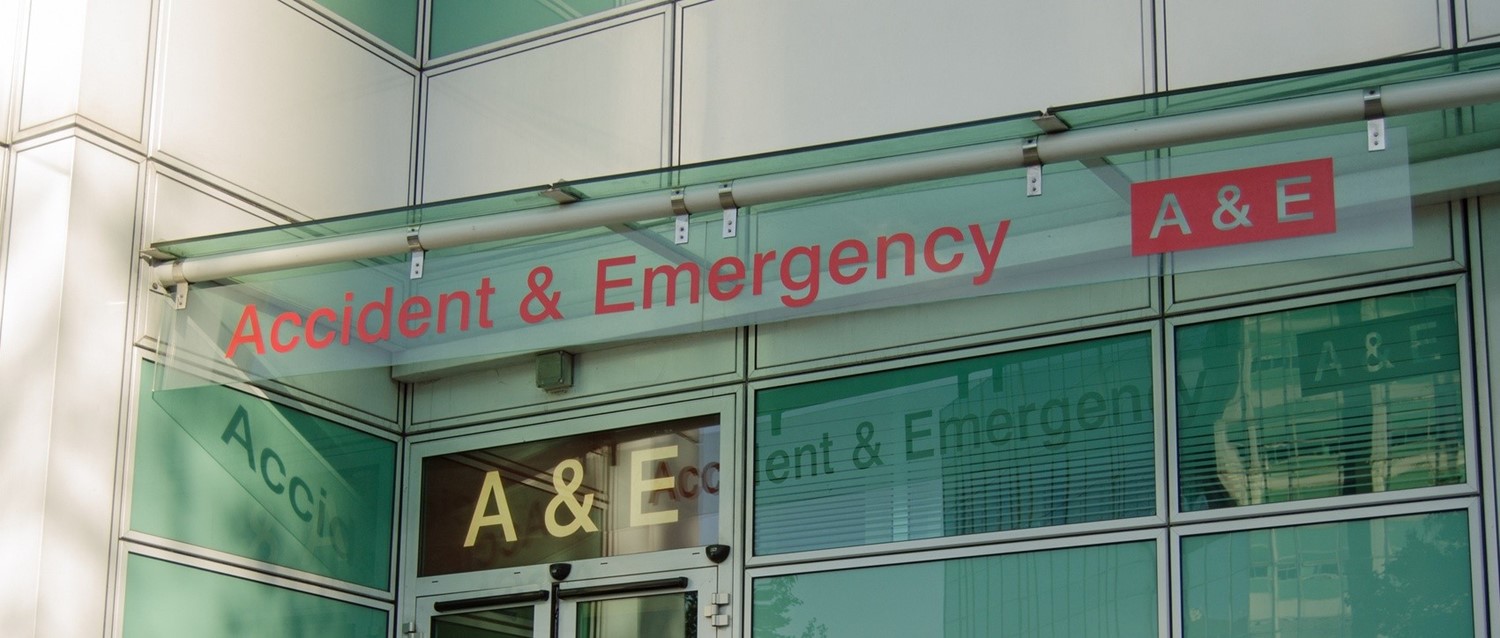
Bien que certaines urgences — comme les accidents ou les symptômes physiques graves — soient faciles à reconnaître, des conditions sérieuses peuvent parfois se manifester de manière moins évidente. Il peut être difficile de savoir s'il faut se rendre aux urgences, appeler le médecin pour un rendez-vous d'urgence, consulter un autre professionnel de santé comme un pharmacien ou simplement attendre que les symptômes passent.
par Gillian Harvey
À propos de l'auteurVoir la biographie complète

Milly Evans
Rédactrice
Milly écrit sur une gamme de sujets liés à la santé, avec un intérêt particulier pour les inégalités en santé et la santé sexuelle.
À propos du critique

Joe Crowther
Historique de l'article
Les informations sur cette page sont examinées par des cliniciens qualifiés.
Article également disponible en Anglais, Allemand, Espagnol, Français, Italien, Portugais, Hindi, Hébreu, Arabe, and Suédois.
16 sept. 2019 | Dernière version

Demandez, partagez, connectez-vous.
Parcourez les discussions, posez des questions et partagez vos expériences sur des centaines de sujets de santé.

Vous ne vous sentez pas bien ?
Évaluez vos symptômes en ligne gratuitement
Inscrivez-vous à la newsletter Patient
Votre dose hebdomadaire de conseils de santé clairs et fiables - rédigés pour vous aider à vous sentir informé, confiant et maître de la situation.
En vous abonnant, vous acceptez notre Politique de confidentialité. Vous pouvez vous désabonner à tout moment. Nous ne vendons jamais vos données.
Plus sur la santé générale et le mode de vie
- 5 façons naturelles de réduire l'inflammation
- 8 symptômes de santé courants que vous ne devriez jamais ignorer
- Pollution de l'air et asthme : comment se protéger cet été
- Les maux de tête et les migraines sont-ils plus fréquents en été ?
- Combattez le froid : pourquoi le mouvement est important pour vos articulations par temps froid
- Peut-on attraper un rhume en été ?
- Votre pharmacien peut-il vous aider avec votre santé sexuelle ?
- Inégalité dentaire : qu'est-ce que c'est et pourquoi existe-t-elle ?
- Le froid favorise-t-il la perte de poids ?
- Le gaslighting au travail : ce que c'est et comment y faire face
- Comment éviter le stress pendant Noël et le Nouvel An
- Comment aider vos enfants à manger sainement pendant Noël
- Votre travail met-il votre santé en danger ?
- Maintenir les enfants actifs pendant Noël
- Les protéines végétales pourraient aider à prévenir l'hypertension
- Les signes avant-coureurs de l'insolation et de l'épuisement dû à la chaleur
- Qu'est-ce que la #MedSafetyWeek et le programme de la Carte Jaune de la MHRA ?
- Qu'est-ce que la maladie due au changement de temps ?
- Que faire en attendant les services de traitement de la drogue ou de l'alcool